Autism therapists in Huntersville, NC
Find experienced Autism therapists in Huntersville, North Carolina who provide Autism testing, evaluations, and therapy. Our directory features detailed therapist profiles so you can compare qualifications, specialties, and treatment approaches to find the provider that’s right for you.
Autism
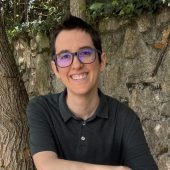
Claire Robinson-Scalzi
Licensed Mental Health Counselor, LCMHCA, NCC
I welcome neurodivergence of all types! Together, I hope we can create a space where you feel safe enough to release your masks and show up just as you are. I expect this to take time as we get to know each other and learn from each other as we find ways to support you in moving through life and creating the life you want to live.
2 Years Experience
Online in Huntersville, NC (Online Only)

Autism
Tal Brafford
Licensed Mental Health Counselor, LCMHC-A
As a person with Autism, I understand the weight of masking and many common sensory and social challenges, while appreciating the nuances of Autism and the diversity with which it animates in each individual. I get so much joy out of helping people grow to accept themselves and live authentically. I do not have the credentials to diagnose Autism. My work is focused primarily on self-discovery, acceptance, and exploring practical support measures. Above all else, I don't want my neurodivergent clients to feel alone.
0 Years Experience
In-Person Near Huntersville, NC
Online in Huntersville, NC

Autism
Dr. Jag Soni
Psychologist, Ph.D., HSPP, PCC, SPHR, SHRM-SCP
Navigating a world not designed for your neurodivergent experience requires an expert, neuro-affirming approach to Autism and Asperger’s that honors your unique perspective. Drawing on over 35 years of Ph.D.-level expertise, I provide a specialized space focused on the internal shifts that allow you to thrive without the exhausting pressure to mask. Together, we move toward a life of authenticity and social comfort, tailored to your specific story and sensory needs. In a private Telehealth setting, I am ready to help you thrive on your own terms—contact me to schedule your first appointment.
36 Years Experience
Online in Huntersville, NC (Online Only)
Autism
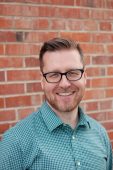
David Houston Murphy
Psychologist, PhD, LP, PSYPACT
I have extensive experience working with clients who are autistic. I work with autistic clients through individual therapy, couples therapy, group therapy, and psychological evaluations. I help clients address adjusting to a neurodivergent diagnosis later in life, unmasking, as well as address autistic burnout, all from a neurodiversity-affirming lens. As an autistic psychologist, I can often share my own experiences and personally relate with my clients. With my PSYPACT license, I am able to provide online psychological evaluations for autism.
4 Years Experience
Online in Huntersville, NC

Autism
Nour Counseling
Counselor/Therapist
Autism is often misunderstood—especially in adults, and especially in people who have spent years adapting, masking, or being told they’re “too much” or “not enough” at the same time. Many of our clients come in feeling exhausted from trying to navigate social expectations, sensory overwhelm, communication differences, or environments that don’t take their needs into account. At Nour Counseling, we approach autism through a neurodiversity-affirming lens, recognizing that your brain is not the problem—the mismatch between you and your environment often is.
We offer comprehensive autism assessments that result in a detailed report with clear findings and individualized recommendations, including accommodations when appropriate. In therapy, we work with you to better understand your sensory profile, communication style, routines, and capacity—so you can build a life that actually supports you. This might include setting boundaries, reducing burnout, navigating relationships more authentically, or unlearning the pressure to constantly mask. We also name the cultural and systemic factors that shape how autism is perceived and supported, so you’re not left carrying that context alone. Our goal is to help you move through the world with more clarity, self-understanding, and permission to exist as you are.
9 Years Experience
Online in Huntersville, NC (Online Only)
Autism therapists in Huntersville, NC Statistics
Autism therapists in Huntersville, NC average 15 years of experience and charge around $206 per session. 100% offer online sessions. The top treatment approaches are Cognitive Behavioral Therapy (CBT) (60%), Acceptance & Commitment Therapy (ACT) (47%), and Behavioral Therapy (36%).
Average years in practice
15 Years Experience
Average cost per session
$206
Accept insurance
40%
Offer sliding scale
32%
Gender ID
| 53% |
Female |
|
| 30% |
Male |
|
| 10% |
Non-Binary |
|
| 7% |
Gender Fluid |
|
Session Type
| 58% |
In Person and Online |
|
| 42% |
Online Only |
|
Top Treatment Approaches
| 60% | Cognitive Behavioral Therapy (CBT) |
| 47% | Acceptance & Commitment Therapy (ACT) |
| 36% | Behavioral Therapy |
| 34% | Person-Centered Therapy (Rogerian) |
| 30% | Dialectical Behavior Therapy (DBT) |
| 30% | Emotionally Focused Therapy (EFT) |
| 30% | Multicultural Therapy |
Ages Served
| 98% | Adult |
| 81% | Young Adult |
| 57% | Teen |
| 51% | Senior |
| 40% | Children |
Client Focus
| 62% | Women |
| 57% | LGBTQ+ |
| 47% | Men |
| 40% | Persons with Disabilities |
| 36% | Black / African American |