Sexual Abuse therapists in Lebanon, OH
Browse Sexual Abuse therapists in Lebanon, Ohio. Compare credentials, specialties and therapeutic approach. Contact a therapist to learn more.
View nearby cities

Sexual Abuse
Seven Hills Psychology
Psychologist, Psychologist
We offer treatment for individuals who have experienced sexual abuse/trauma.
18 Years Experience
In-Person Near Lebanon, OH
Online in Lebanon, OH

Sexual Abuse
Jessica Torres Kreidt
Counselor/Therapist, LPCC, NCC, CCTP (CA: LPCC#17935)
My journey in mental health began at the YWCA HOPE Center, where I supported survivors of sexual abuse in processing their trauma and reclaiming their sense of agency. Today, I bring additional tools like EMDR, CPT, and, most importantly, a compassionate approach that meets you where you are. Using these methods, I guide survivors through the complex emotions and challenges they face, focusing on empowerment, resilience, and healing as they reclaim their lives and find peace.
7 Years Experience
Online in Lebanon, OH (Online Only)

Sexual Abuse
James C. Carpenter, PhD, ABPP
Psychologist, PhD (Clinical Psychology, Ohio State U), Board Certified in Clinical Psychology (ABPP), PSYPACT
I gradually and not too happily became an expert in treating sexual abuse -- especially early abuse in childhood -- through working intensely with so many people who have presented with those issues. I understand the suggestibility of memory, and I never suggest or over-lead clients to these possible traumas. But they often enough present themselves indisputably into therapy work as it becomes deeper and safer. I have had and given a lot of training in this area and have a big toolbox of approaches at my disposal in working on this very delicate and important material.
41 Years Experience
Online in Lebanon, OH
Sexual Abuse
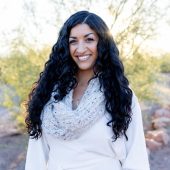
Dr. Iziz Malak
Psychologist, Clinical Psychologist
I specialize in supporting individuals who have experienced sexual abuse by providing a safe, compassionate space to process the trauma and its effects. My approach involves using therapeutic modalities to help people heal, rebuild their sense of safety, and regain control over their lives. I help clients address feelings of shame, guilt, and fear while working through the emotional and psychological impact of abuse. My goal is to empower survivors to rebuild their self-esteem, manage symptoms of trauma, and move forward in a way that supports their overall healing and well-being. Referral to community organizations, like the Survivor's Sanctuary (https://sanctuary.metoomvmt.org/), are also helpful tools for people to use alone or alongside therapy.
12 Years Experience
Online in Lebanon, OH

Sexual Abuse
Trauma Therapy Company Ohio
Licensed Clinical Social Worker
Although you feel alone, you are not alone. According to Dark to Light and their 20 years of service to preventing child abuse, about one in seven girls will be sexually abused before they turn 18. Nearly 70% of all reported sexual assaults (including assaults on adults) occur to children ages 17 and under. Youths have higher rates of sexual assault victimization than do adults. Hearing these statistics might cause some fear but it can also validate you.
These facts also state that this abuse commonly leads to substance abuse. Female adult survivors of child sexual abuse are nearly three times more likely to report substance use problems (40.5% versus 14% in general population). We don’t want to feel it, we don’t want to think about it. It makes sense that you would seek something to take the pain away.
Your mind can feel like a war zone. Mental health problems are a common long-term consequence of child sexual abuse. Adult women who were sexually abused as a child are more than twice as likely to suffer from depression as women who were not sexually abused. Adults with a history of child sexual abuse are more than twice as likely to report a suicide attempt. Females who are sexually abused are three times more likely to develop psychiatric disorders than females who are not sexually abused. You may have previously seen someone about this and were met with many different disorders. They may have constantly changed what they told you was wrong with you, never fitting what you though or felt.
Your body is also struggling, maybe from multiple health issues you are trying to manage. Adult victims of child sexual abuse have higher rates of health care utilization and report significantly more health complaints compared to adults without a child sexual abuse history. These include fibromyalgia, severe premenstrual syndrome, chronic headaches, irritable bowel syndrome and a wide range of reproductive and sexual health complaints, including excessive bleeding, amenorrhea, pain during intercourse and menstrual irregularity. Adults with a history of child sexual abuse are 30% more likely than their non-abused peers to have a serious medical condition such as diabetes, cancer, heart problems, stroke or hypertension. You might miss work or important events because of your health or just exhaustion from surviving day to day.
6 Years Experience
Online in Lebanon, OH
Sexual Abuse therapists in Lebanon, OH Statistics
Sexual Abuse therapists in Lebanon, OH average 16 years of experience and charge around $192 per session. 100% offer online sessions. The top treatment approaches are Cognitive Behavioral Therapy (CBT) (74%), Person-Centered Therapy (Rogerian) (40%), and Dialectical Behavior Therapy (DBT) (37%).
Average years in practice
16 Years Experience
Average cost per session
$192
Accept insurance
50%
Offer sliding scale
37%
Gender ID
| 68% |
Female |
|
| 31% |
Male |
|
| 1% |
Non-Binary |
|
Session Type
| 65% |
In Person and Online |
|
| 35% |
Online Only |
|
Top Treatment Approaches
| 74% | Cognitive Behavioral Therapy (CBT) |
| 40% | Person-Centered Therapy (Rogerian) |
| 37% | Dialectical Behavior Therapy (DBT) |
| 37% | Eye Movement Desensitization and Reprocessing (EMDR) |
| 34% | Acceptance & Commitment Therapy (ACT) |
| 34% | Psychodynamic Therapy |
| 34% | Solution-Focused Brief Therapy (SFBT) |
Ages Served
| 98% | Adult |
| 73% | Young Adult |
| 63% | Senior |
| 48% | Teen |
| 27% | Children |
Client Focus
| 63% | Women |
| 50% | LGBTQ+ |
| 50% | Men |
| 37% | Military / Veterans |
| 34% | Black / African American |