Depression therapists in High Blantyre, Scotland
Browse Depression therapists in High Blantyre, Scotland, United Kingdom. Compare credentials, specialties and therapeutic approach. Contact a therapist to learn more.

Depression
Heather Macfarlane
Registered Psychotherapist, Cognitive Behavioural Psychotherapist
Depression is like looking at life through grey-tinted glasses rather than rose-tinted glasses. I can help you to build up your energy again and tackle the sense of hopelessness and lethargy that often pulls us down.
17 Years Experience
Online in High Blantyre, Scotland (Online Only)
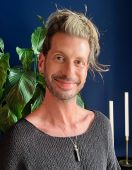
Depression
Gordon Wax BA HONS MBACP
Counsellor/Therapist, Psychoanalytic Psychotherapist
You don't have to be in bed crying to be depressed. Therapy will help you to support yourself.
13 Years Experience
Online in High Blantyre, Scotland

Depression
Karine Flynn
Psychologist, MSc, GMBPS
Depression often involves a profound disconnection from the body - a flatness or numbness that makes even basic engagement feel effortful. This work doesn't ask you to feel more before you're ready. It works gently with what's present - however little that might be - and creates the conditions for aliveness to return at the body's own pace, rather than on a timeline that adds another layer of pressure.
PS: For clients experiencing depression, I work outside the programme format - at your pace, without a fixed sequence or timeline.
23 Years Experience
Online in High Blantyre, Scotland

Depression
Rachel Bates
Registered Psychotherapist, M Phil - Counselling & Psychotherapy; M A Psychology
Depression is a feeling of a low mood that can last for a long time and affect everyday life. It can fill one with despair and hopelessness, guilt and worthlessness, leaving a sense of a lack of motivation and exhaustion. It can affect one's self-esteem, sleep, appetite, sex drive and physical health. In severe cases, depression can make one feel suicidal and this can be life-threatening.
21 Years Experience
Online in High Blantyre, Scotland

Depression
Patchouli Therapy
Counsellor/Therapist, Prof. Adv. Dip. PC, Dip. Hyp, Dip. CBT/REBT, Dip. EFT, Dip. SBA, MA Psychosynthesis Psychology
I am a Psycho-Spiritual Counsellor offering bespoke services using a combination of holistic and complementary intervention to help relieve despondency and dejected feelings be assessing your connection with your Will, along with a combination of solution-focused techniques to help promote self-care, rituals and life purpose.
13 Years Experience
Online in High Blantyre, Scotland (Online Only)
Depression therapists in High Blantyre, Scotland Statistics
Depression therapists in High Blantyre, Scotland average 15 years of experience and charge around ¤122 per session. 100% offer online sessions. The top treatment approaches are Integrative Therapy (56%), Cognitive Behavioral Therapy (CBT) (51%), and Person-Centered Therapy (Rogerian) (45%).
Average years in practice
15 Years Experience
Average cost per session
¤122
Accept insurance
35%
Offer sliding scale
47%
Gender ID
| 65% |
Female |
|
| 31% |
Male |
|
| 2% |
Gender Fluid |
|
| 2% |
Non-Binary |
|
Session Type
| 63% |
In Person and Online |
|
| 37% |
Online Only |
|
Top Treatment Approaches
| 56% | Integrative Therapy |
| 51% | Cognitive Behavioral Therapy (CBT) |
| 45% | Person-Centered Therapy (Rogerian) |
| 32% | Psychodynamic Therapy |
| 31% | Solution-Focused Brief Therapy (SFBT) |
| 29% | Existential / Humanistic Therapy |
| 26% | Somatic Therapy |
Ages Served
| 99% | Adult |
| 60% | Young Adult |
| 56% | Senior |
| 46% | Teen |
| 18% | Children |
Client Focus
| 65% | Women |
| 55% | Men |
| 47% | LGBTQ+ |
| 34% | Persons with Disabilities |
| 33% | Christian |