Dissociative Disorders therapists in Salem, SC
Browse Dissociative Disorders therapists in Salem, South Carolina. Compare credentials, specialties and therapeutic approach. Contact a therapist to learn more.
View nearby cities
Dissociation
Three Oaks Behavioral Health & Wellness
Licensed Clinical Social Worker, LCSW, LCMHC, LCAS
Assisting individuals in understanding and managing dissociation while building grounding and stability.
7 Years Experience
Online in Salem, SC
Dissociation
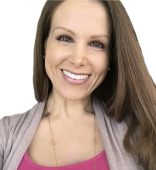
Amy Marshall, Owner of Counseling & Life Coaching, LLC
Licensed Professional Counselor, MS, NCC, LPC
Dissociative disorders often occur due to trauma. You are taking a brave step in getting help. I have over a decade of experience to assist you in better managing your dissociative experiences through trauma-informed interventions and Cognitive Behavioral techniques.
15 Years Experience
Online in Salem, SC (Online Only)
Dissociation
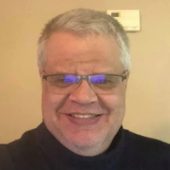
Grace in the Shadows
Licensed Professional Counselor, PhD, MDiv, MA, NCMHC, ALMHC, VALMHC, SCMHC, FLMHC, KYMHC, IDMHC
I approach dissociative disorders with a compassionate and holistic perspective, integrating psychological principles with Christian values. Recognizing the complexities of dissociation and its impact on an individual's sense of self, I draw upon biblical teachings on identity, healing, and restoration. Establishing a safe and trusting therapeutic alliance, I help clients explore the underlying factors contributing to dissociation while incorporating prayer, scriptural reflection, and discussions on faith into the therapeutic process. Emphasizing the importance of grounding in one's spiritual identity, I collaborate with clients to integrate their faith into coping mechanisms and strategies for managing dissociative symptoms. This approach seeks to address the spiritual, emotional, and psychological dimensions of dissociative disorders, guiding individuals towards healing and a renewed sense of wholeness within the context of their Christian beliefs.
11 Years Experience
Online in Salem, SC (Online Only)

Dissociation
Dr. Tuvia Hoffman
Psychologist, Psychologist, PhD
Dissociative disorders can be a challenging and disorienting experience, but targeted support can make a significant difference. I specialize in treating dissociative disorders with a focus on understanding and integrating the complexities of dissociation. Through evidence-based approaches such as Trauma-Informed Therapy and Cognitive Behavioral Therapy (CBT), I work with clients to address symptoms, enhance self-awareness, and develop coping strategies. Together, we will explore the underlying causes of dissociation, work on stabilizing your sense of self, and foster a more cohesive and grounded sense of identity. My goal is to support you in achieving greater emotional stability and a more connected and fulfilling life.
9 Years Experience
Online in Salem, SC (Online Only)
Dissociation
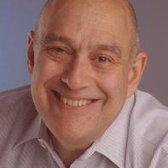
Dr. Mitchell Roth
Licensed Mental Health Counselor, JD, PsyD, LMHC
Dissociative disorders result from adaptation to emotionally or physically painful circumstances beyond the control of the patient. Finding and resolving the feelings avoided through dissociation restores the availability of normal feelings. Internal family therapy treatment is particularly helpful in this area.
16 Years Experience
Online in Salem, SC (Online Only)
Dissociative Disorders therapists in Salem, SC Statistics
Dissociative Disorders therapists in Salem, SC average 18 years of experience and charge around $213 per session. 100% offer online sessions. The top treatment approaches are Cognitive Behavioral Therapy (CBT) (67%), Existential / Humanistic Therapy (50%), and Person-Centered Therapy (Rogerian) (50%).
Average years in practice
18 Years Experience
Average cost per session
$213
Accept insurance
42%
Offer sliding scale
33%
Gender ID
| 47% |
Female |
|
| 47% |
Male |
|
| 3% |
Gender Fluid |
|
| 3% |
Non-Binary |
|
Session Type
| 54% |
In Person and Online |
|
| 46% |
Online Only |
|
Top Treatment Approaches
| 67% | Cognitive Behavioral Therapy (CBT) |
| 50% | Existential / Humanistic Therapy |
| 50% | Person-Centered Therapy (Rogerian) |
| 42% | Psychoeducational Therapy |
| 38% | Emotionally Focused Therapy (EFT) |
| 38% | Family Systems Therapy |
| 38% | Internal Family Systems (IFS) |
Ages Served
| 100% | Adult |
| 63% | Teen |
| 63% | Young Adult |
| 58% | Senior |
| 38% | Children |
Client Focus
| 63% | Men |
| 63% | Women |
| 50% | Military / Veterans |
| 46% | LGBTQ+ |
| 46% | Persons with Disabilities |