Perfectionism therapists in Chattanooga, TN
Browse Perfectionism therapists in Chattanooga, Tennessee. Compare credentials, specialties and therapeutic approach. Contact a therapist to learn more.

Perfectionism
Dr. Meghan Miller
Psychologist, PsyD, LP
Perfectionism can look like high standards and achievement on the outside, but internally it often feels like constant pressure, self-criticism, and fear of making mistakes. You may struggle to feel satisfied with your accomplishments or find that your self-worth rises and falls with performance. In therapy, I use evidence-based approaches such as Cognitive Behavioral Therapy (CBT) and Acceptance and Commitment Therapy (ACT) to help you challenge rigid thinking patterns, reduce harsh self-talk, and develop a more flexible, values-driven definition of success. Our work focuses on maintaining excellence without sacrificing your well-being, relationships, or sense of self.
14 Years Experience
Online in Chattanooga, TN (Online Only)

Perfectionism
Patricia McGuire
Counselor/Therapist, LPC-MHSP, NCC
That pesky, exacting standard that seems to never leave us alone. Together, we will dismantle and challenge perfectionism to help you find freedom.
11 Years Experience
Online in Chattanooga, TN

Perfectionism
Dr. Monika Sharma
Psychologist, PsyD
Perfectionism is anxiety in disguise. It appears to be on your side, encouraging you to strive to be better. However, it is an unrelenting critic that tells you that you or other people/things are not good enough...ever. It can help you in the beginning to strive for excellence and over-achieve, to be recognized for your accomplishments and capabilities. But your perfectionism does not allow you to truly feel or celebrate all of your effort. Over time, it can look like exhaustion, self-doubt, imposter syndrome, depression, anxiety, procrastination, and feeling like you don't know how to stop from unraveling or being discovered as a fraud. It's a self-imposed prison that feels suffocating to be but even more terrifying to get out of.
I will teach you how to be curious about your uncomfortable feelings and tendencies such as perfectionism, anxiety, anger, fear, sadness, loneliness, and overwhelm. This involves learning to build tolerance for uncomfortable feelings because they won't actually hurt us; approach these feelings without judgment; poke at them and examine them and see what lies within them; and then decide how we want to use these feelings as a compass to guide us toward those things that truly matter. You will feel empowered to be the master of your feelings, not a puppet to them.
Schedule a free 15-minute consult at: sharmapsych.com/schedule
26 Years Experience
Online in Chattanooga, TN
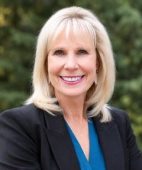
Perfectionism
Michele Robison, PhD
Psychologist, PhD
Individuals who struggle with perfectionism typically experience anxiety. I help my clients not only learn what drives their perfectionism, but I help them learn how to free themselves from the beliefs that drive their perfectionism utilizing CBT and when appropriate, EMDR.
34 Years Experience
Online in Chattanooga, TN

Perfectionism
Becca Edwards
Therapist, LMSW, Ed.S., M.ed
Perfectionism can look like achievement on the outside while feeling like constant pressure on the inside. I work with clients who struggle with unrealistic expectations, self-criticism, fear of failure, or feeling that they are never doing enough. Therapy can help create more space for self-compassion, flexibility, and being human.
4 Years Experience
Online in Chattanooga, TN
Perfectionism therapists in Chattanooga, TN Statistics
Perfectionism therapists in Chattanooga, TN average 13 years of experience and charge around $211 per session. 100% offer online sessions. The top treatment approaches are Cognitive Behavioral Therapy (CBT) (76%), Acceptance & Commitment Therapy (ACT) (60%), and Psychodynamic Therapy (35%).
Average years in practice
13 Years Experience
Average cost per session
$211
Accept insurance
38%
Offer sliding scale
30%
Gender ID
| 73% |
Female |
|
| 25% |
Male |
|
| 1% |
Gender Fluid |
|
| 1% |
Non-Binary |
|
Session Type
| 54% |
In Person and Online |
|
| 46% |
Online Only |
|
Top Treatment Approaches
| 76% | Cognitive Behavioral Therapy (CBT) |
| 60% | Acceptance & Commitment Therapy (ACT) |
| 35% | Psychodynamic Therapy |
| 33% | Existential / Humanistic Therapy |
| 33% | Person-Centered Therapy (Rogerian) |
| 30% | Dialectical Behavior Therapy (DBT) |
| 29% | Emotionally Focused Therapy (EFT) |
Ages Served
| 97% | Adult |
| 75% | Young Adult |
| 41% | Senior |
| 38% | Teen |
| 13% | Children |
Client Focus
| 49% | Women |
| 33% | LGBTQ+ |
| 27% | Men |
| 22% | Asian |
| 21% | Black / African American |