Highly Sensitive Person therapists in Angleton, TX
Browse Highly Sensitive Person therapists in Angleton, Texas. Compare credentials, specialties and therapeutic approach. Contact a therapist to learn more.

HSP
Leslie Crabtree
Licensed Professional Counselor, MA, LPC
Leslie herself is an HSP (Highly Sensitive Person). After discovering the work of Dr. Elaine Aron in the 90s, she became passionate about understanding this roughly 20% of the population. She is passionate about helping HSPs understand their unique gifts they can bring to the world as well as understanding ways to cope with an often overwhelming world.
22 Years Experience
Online in Angleton, TX (Online Only)

HSP
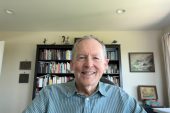
Peter C. Jackson, PsyD
Psychologist, PsyD
If you identify as a Highly Sensitive Person (HSP), you likely experience the world with exceptional depth, noticing details and subtleties that others might miss. While this brings rich insights and creativity, it can also lead to feeling drained, anxious, or overstimulated. I provide a supportive environment where we celebrate your unique nervous system and explore how to optimize your well-being. Our work focuses on building emotional resilience, creating nurturing practices, and developing personalized tools to navigate life's intensity, empowering you to thrive in your authenticity.
33 Years Experience
Online in Angleton, TX
HSP
Dr. George Lough
Psychologist, Ph.D., S.E.P.
Psychotherapy can give the HSP understanding, compassion, and help adjusting to an over-stimulating world.
48 Years Experience
Online in Angleton, TX (Online Only)

HSP
Lee Ann Nichols
Therapist, LPC
Being Highly Sensitive occurs across all species at 20 percent of the population. It’s a worthy aspect to acknowledge for oneself and to learn to manage.
16 Years Experience
Online in Angleton, TX

HSP
Dr. Stéphanie Gamache, PhD
Hypnotherapist, PhD
Highly sensitive people often experience the world with great emotional depth and intensity. My work integrates psychoanalytic exploration and somatic awareness to help sensitive individuals develop emotional boundaries, nervous system regulation, and self-trust. This process supports sensitivity as a strength rather than a source of overwhelm.
7 Years Experience
Online in Angleton, TX (Online Only)
Highly Sensitive Person therapists in Angleton, TX Statistics
Highly Sensitive Person therapists in Angleton, TX average 15 years of experience and charge around $184 per session. 100% offer online sessions. The top treatment approaches are Cognitive Behavioral Therapy (CBT) (53%), Person-Centered Therapy (Rogerian) (47%), and Internal Family Systems (IFS) (43%).
Average years in practice
15 Years Experience
Average cost per session
$184
Accept insurance
47%
Offer sliding scale
39%
Gender ID
| 71% |
Female |
|
| 23% |
Male |
|
| 3% |
Gender Fluid |
|
| 3% |
Non-Binary |
|
Session Type
| 53% |
Online Only |
|
| 47% |
In Person and Online |
|
Top Treatment Approaches
| 53% | Cognitive Behavioral Therapy (CBT) |
| 47% | Person-Centered Therapy (Rogerian) |
| 43% | Internal Family Systems (IFS) |
| 41% | Acceptance & Commitment Therapy (ACT) |
| 39% | Psychodynamic Therapy |
| 37% | Existential / Humanistic Therapy |
| 33% | Emotionally Focused Therapy (EFT) |
Ages Served
| 100% | Adult |
| 80% | Young Adult |
| 61% | Senior |
| 39% | Teen |
| 18% | Children |
Client Focus
| 53% | Women |
| 45% | LGBTQ+ |
| 33% | Men |
| 29% | Persons with Disabilities |
| 27% | Christian |