Highly Sensitive Person therapists in Socorro Mission Number 1 Colonia, TX
Browse Highly Sensitive Person therapists in Socorro Mission Number 1 Colonia, Texas. Compare credentials, specialties and therapeutic approach. Contact a therapist to learn more.
HSP
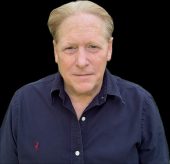
Brian McCormack (Connemara Counseling)
Counselor/Therapist, LPC-A/LMHCA
I provide support for highly sensitive individuals, helping clients better understand and navigate heightened emotional and sensory responsiveness. Using evidence-based approaches such as cognitive-behavioral therapy, mindfulness, and emotional regulation skills, I support clients in managing overwhelm, setting healthy boundaries, and reducing stress reactivity. My work focuses on reframing sensitivity as a strength, fostering self-awareness, and building practical strategies that allow clients to thrive with greater confidence, balance, and resilience in both personal and professional environments.
2 Years Experience
Online in Socorro Mission Number 1 Colonia, TX (Online Only)

HSP
Kelli Hall
Licensed Clinical Social Worker, LCSW
I work with many individuals who identify as highly sensitive or have been told they are “too sensitive” throughout their lives.
Often, this sensitivity is closely connected to heightened awareness, emotional depth, and a tendency to take on the feelings and needs of others. For many, it also overlaps with patterns of hypervigilance, people-pleasing, and difficulty setting boundaries.
Rather than viewing sensitivity as something to fix, our work focuses on understanding it, regulating the nervous system, and learning how to navigate relationships and environments in a way that feels more balanced and supportive.
This allows you to move from feeling overwhelmed to feeling more grounded, aware, and in control of your responses.
13 Years Experience
Online in Socorro Mission Number 1 Colonia, TX (Online Only)
HSP
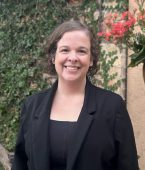
Lindsey Lucius
Licensed Clinical Social Worker, LCSW-S
As a Highly Sensitive Person myself, I know how beautiful and how overwhelming it can be to feel things deeply and take in the world so fully. Together, we'll honor your sensitivity as a strength, work through the shame or "too much" messages you may have absorbed, and help you find ways to care for your nervous system while living authentically in a world that isn't always built for you.
15 Years Experience
Online in Socorro Mission Number 1 Colonia, TX (Online Only)

HSP
Emily Stone
Marriage and Family Therapist, MA, MDiv, PhD, LMFT-S
The Highly Sensitive Person (HSP): Navigating a High-Definition World
From Sensory Overwhelm to Strategic Depth
About 20% of the population is born with a nervous system that processes information more deeply than others. While the world often labels this as being "too sensitive," in my practice, we recognize this as Sensory Processing Sensitivity—a trait that brings incredible empathy, creativity, and intuition, but also a higher risk for burnout and overwhelm.
The Challenges of the "Deep Processor"
Living as an HSP in a neurotypical, fast-paced society can feel like your "volume" is permanently turned up. We work together to navigate:
Emotional Overwhelm: Learning to distinguish between your own emotions and the "emotional residue" you pick up from others in the room.
Sensory Meltdowns & Shut Downs: Identifying the environmental triggers—loud noises, bright lights, or chaotic social systems—that lead to systemic exhaustion.
Rejection Sensitivity: Addressing the deep, often painful way that HSPs process social cues and perceived criticism.
The HSP Professional: Healers, Pastors, and Creatives
I have a "special love" for working with highly sensitive healers. Your sensitivity is likely what makes you an incredible therapist, pastor, or leader, but it is also what makes you susceptible to secondary trauma. We use a Systems Theory approach to:
Architect Your Environment: Creating "sensory-safe" professional and personal spaces that allow your nervous system to rest.
Attachment & Boundaries: Moving away from the "people-pleasing" often used as a safety strategy, toward a grounded, authentic way of relating to others.
EMDR for Overstimulation: Using EMDR to process past moments of "sensory trauma" or times when you were shamed for your sensitivity.
Honoring Your High-Definition Lens
With over 20 years of experience, I am here to help you stop apologizing for your depth and start honoring it. You don't need to "toughen up"; you need to develop the strategies that allow your sensitive system to flourish.
Your sensitivity is not a flaw in the system—it is a different, more intricate way of being human.
21 Years Experience
Online in Socorro Mission Number 1 Colonia, TX (Online Only)
HSP
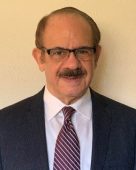
Dr. David Brooks
Psychologist, PhD,ABPP,ABN,EMDR Certified Therapist
Focus on reducing fears and social discomfort and finding improved self-confidence with increased empowerment and more realistic expectations with less reactivity.
37 Years Experience
Online in Socorro Mission Number 1 Colonia, TX
Highly Sensitive Person therapists in Socorro Mission Number 1 Colonia, TX Statistics
Highly Sensitive Person therapists in Socorro Mission Number 1 Colonia, TX average 16 years of experience and charge around $183 per session. 100% offer online sessions. The top treatment approaches are Cognitive Behavioral Therapy (CBT) (58%), Acceptance & Commitment Therapy (ACT) (44%), and Person-Centered Therapy (Rogerian) (44%).
Average years in practice
16 Years Experience
Average cost per session
$183
Accept insurance
54%
Offer sliding scale
42%
Gender ID
| 69% |
Female |
|
| 23% |
Male |
|
| 4% |
Gender Fluid |
|
| 4% |
Non-Binary |
|
Session Type
| 58% |
Online Only |
|
| 42% |
In Person and Online |
|
Top Treatment Approaches
| 58% | Cognitive Behavioral Therapy (CBT) |
| 44% | Acceptance & Commitment Therapy (ACT) |
| 44% | Person-Centered Therapy (Rogerian) |
| 40% | Existential / Humanistic Therapy |
| 40% | Internal Family Systems (IFS) |
| 40% | Psychodynamic Therapy |
| 38% | Relational Psychotherapy |
Ages Served
| 100% | Adult |
| 75% | Young Adult |
| 58% | Senior |
| 42% | Teen |
| 21% | Children |
Client Focus
| 54% | Women |
| 46% | LGBTQ+ |
| 40% | Men |
| 29% | Hispanic / Latino |
| 27% | Persons with Disabilities |