Trauma and PTSD therapists in Saint George, UT
Find experienced trauma and PTSD therapists in Saint George, Utah who provide testing, evidence-based treatment for trauma, post-traumatic stress disorder, and related challenges such as anxiety, depression, and stress. Compare detailed therapist profiles and connect with a provider that’s right for you.
View nearby cities

PTSD/Trauma
Richard Cox, PhD
Licensed Mental Health Counselor, LCMHC
I suspect that for many psychotherapists trauma seems to be the universal ingredient in most, if not all, mental disorders. There are an increasingly growing number of models or approaches for diminishing the impact of trauma on a person's mental health. I have learned three of them, and have seen remarkable successes. In case you already know which one you want to try, I will name the three I use: Lifespan Integration, Cognitive Processing Therapy, and more recently, Flash Technique for Trauma. Cognitive Processing therapy is highly researched and listed as one of the major approaches for dealing with PTSD.
27 Years Experience
Online in Saint George, UT (Online Only)

PTSD/Trauma
Nancy Burns
Counselor/Therapist, JD, LMHC, LPC, MA, EMDR Certified
Childhood trauma is a series of experiences that are accumulated over time, and untangling them can feel overwhelming. It doesn’t have to involve physical abuse or be one big recognizable event; repeated instances of emotional neglect and not recieving appropriate support from your caregivers when going through a difficult time can be just as harmful. In fact, complex, developmental trauma (CPTSD) often has emotional neglect at its core. Neglect is what you should have had but didn’t get as a child; what didn’t happen that should have happened. Emotional neglect occurs when parents don’t respond to, acknowledge, or validate their child’s feelings often enough. Repeatedly not being listened to by your parents, being teased for expressing your emotions, or being told “if you don’t stop crying, I will give you something to cry about” all can take a toll. A child growing up in this environment, even if their parents "mean well" and provide for their physical needs, has no room for emotions. This child might have a hard time identifying, understanding and expressing their feelings. These difficulties can last into adulthood. Our childhood traumatic experiences continue to affect how we feel about ourselves when we become adults. Adults who experienced childhood emotional neglect often have life-long negative beliefs about themselves. They often feel lonely, empty, unimportant, different, and unfulfilled in life. This affects how we build relationships with other people, and how we handle conflict and stressful situations. Together, we will work to understand how your past experiences are impacting your current reality. We will chart a path forward, using EMDR, Somatic approaches and others, towards something healthier, more balanced and whole, so that you will feel more comfortable setting necessary boundaries with difficult people and living authentically. - - - “Healing is not about fixing what is broken, but about removing the barriers to what is already whole.” Faisal Ali Sarohi
6 Years Experience
Online in Saint George, UT (Online Only)
PTSD/Trauma
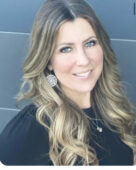
Jeni Gutke
Licensed Professional Counselor, MC, LPC
Traumatic events, big and small change feelings of safety and power as well as responsibility and self worth. Often times with PTSD, we are taking on too much responsibility for past events, which are crippling the ability to move forward and be present. Through a combination of Modalities are minds are able to clear the negative beliefs and rewire the brain to help install adaptive truth about ourselves (that our own system already possesses!) and empower us to heal and move forward in new ways, with self trust and tools to identify triggers as trailheads for healing. This is very overlooked state, effecting many Individuals, manifesting as anxiety, lack of attention, difficulty sleeping, adrenal fatigue, somatic symptoms of all kinds and chronic illnesses. When we address these through well researched modalities, we are able to clear past trauma and trust ourselves and live again in self-lead energy!
12 Years Experience
Online in Saint George, UT

PTSD/Trauma
Amanda Cummings Brandenburg
Psychologist, PhD
Many of my clients come with trauma histories and are looking to better understand how trauma has affected their experiences, especially relationship experiences. I work to help clients understand how trauma affects the brain and body using polyvagal and somatic therapies. I specialize in interpersonal trauma as well as a chronic stress and complex trauma.
11 Years Experience
Online in Saint George, UT
PTSD/Trauma
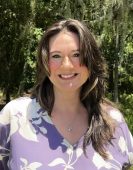
April Bieber
Licensed Professional Counselor, CMHC, CPC, LCPC, LMHC, LPC, LPC-MHS, QS (FL)
Trauma doesn’t have to define you. I offer trauma-informed therapy to help clients process painful experiences, reduce triggers, and reclaim a sense of safety, identity, and control.
17 Years Experience
Online in Saint George, UT (Online Only)
Trauma and PTSD therapists in Saint George, UT Statistics
Trauma and PTSD therapists in Saint George, UT average 15 years of experience and charge around $209 per session. 100% offer online sessions. The top treatment approaches are Cognitive Behavioral Therapy (CBT) (73%), Acceptance & Commitment Therapy (ACT) (42%), and Psychodynamic Therapy (33%).
Average years in practice
15 Years Experience
Average cost per session
$209
Accept insurance
42%
Offer sliding scale
32%
Gender ID
| 66% |
Female |
|
| 31% |
Male |
|
| 2% |
Non-Binary |
|
| 1% |
Gender Fluid |
|
Session Type
| 58% |
In Person and Online |
|
| 42% |
Online Only |
|
Top Treatment Approaches
| 73% | Cognitive Behavioral Therapy (CBT) |
| 42% | Acceptance & Commitment Therapy (ACT) |
| 33% | Psychodynamic Therapy |
| 29% | Person-Centered Therapy (Rogerian) |
| 28% | Emotionally Focused Therapy (EFT) |
| 27% | Eye Movement Desensitization and Reprocessing (EMDR) |
| 26% | Dialectical Behavior Therapy (DBT) |
Ages Served
| 99% | Adult |
| 70% | Young Adult |
| 51% | Senior |
| 41% | Teen |
| 17% | Children |
Client Focus
| 52% | Women |
| 40% | LGBTQ+ |
| 37% | Men |
| 29% | Military / Veterans |
| 22% | Hispanic / Latino |