Suicidal Thoughts therapists in Washington, UT
Browse Suicidal Thoughts therapists in Washington, Utah. Compare credentials, specialties and therapeutic approach. Contact a therapist to learn more.
View nearby cities

Suicidal
Danielle Thurman (Roots and Wings Family Therapy)
Marriage and Family Therapist, Licensed Marriage and Family Therapist
Emotionally Focused Therapy (EFT) and Internal Family Systems (IFS) can be deeply supportive for individuals experiencing suicidal thoughts by addressing both the pain within relationships and the internal emotional landscape. EFT helps individuals feel seen, understood, and securely connected, which can reduce feelings of isolation, shame, and hopelessness that often accompany suicidal thinking. By creating corrective emotional experiences, EFT fosters a sense of belonging and emotional safety. At the same time, IFS helps individuals approach the parts of themselves that hold despair, numbness, or urges toward self-harm with curiosity and compassion rather than fear or avoidance. This process allows those parts to be understood and cared for, reducing their intensity and creating space for hope and self-leadership to emerge. Together, EFT and IFS help individuals feel less alone both internally and externally, strengthening their capacity to cope and move toward life rather than away from it.
8 Years Experience
Online in Washington, UT

Suicidal
Arroyo Psychological Services
Psychologist
We offer a compassionate and confidential environment for clients experiencing suicidal thoughts or hopelessness. Our therapists focus on safety, stabilization, and rebuilding a sense of purpose and connection.
9 Years Experience
Online in Washington, UT
Suicidal
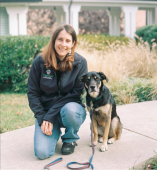
Paws2Heal Mental Health Counseling Services
Licensed Professional Counselor, PhD, LPC
If you're feeling overwhelmed or hopeless, you don't have to face those thoughts alone. Together, we create a safe, compassionate space to understand the pain beneath them while building connection, resilience, and hope.
8 Years Experience
Online in Washington, UT

Suicidal
Karen Erikson, PhD, Durham DBT, Inc.
Psychologist, PhD
Using evidence-based principles from DBT and CBT, I focus on immediate safety planning, building robust distress tolerance skills, and uncovering alternative ways to navigate negative emotions.
16 Years Experience
Online in Washington, UT

Suicidal
Dr. Anthony T. Alonzo
Marriage and Family Therapist, DMFT, LMFT, CFLE
As a seasoned Marriage and Family Therapist, I provide quality individual, couple, and family therapy to those who are in immediate need of therapeutic assistance. I bring rich life experience to my work, and create a safe, yet challenging experience for my clients so they can experience healing.
25 Years Experience
Online in Washington, UT
Suicidal Thoughts therapists in Washington, UT Statistics
Suicidal Thoughts therapists in Washington, UT average 15 years of experience and charge around $217 per session. 100% offer online sessions. The top treatment approaches are Cognitive Behavioral Therapy (CBT) (84%), Acceptance & Commitment Therapy (ACT) (50%), and Dialectical Behavior Therapy (DBT) (45%).
Average years in practice
15 Years Experience
Average cost per session
$217
Accept insurance
58%
Offer sliding scale
45%
Gender ID
| 62% |
Female |
|
| 36% |
Male |
|
| 2% |
Non-Binary |
|
Session Type
| 79% |
In Person and Online |
|
| 21% |
Online Only |
|
Top Treatment Approaches
| 84% | Cognitive Behavioral Therapy (CBT) |
| 50% | Acceptance & Commitment Therapy (ACT) |
| 45% | Dialectical Behavior Therapy (DBT) |
| 39% | Person-Centered Therapy (Rogerian) |
| 39% | Solution-Focused Brief Therapy (SFBT) |
| 37% | Behavioral Therapy |
| 37% | Psychoeducational Therapy |
Ages Served
| 97% | Adult |
| 82% | Young Adult |
| 68% | Teen |
| 53% | Senior |
| 34% | Children |
Client Focus
| 55% | Women |
| 53% | LGBTQ+ |
| 50% | Men |
| 50% | Military / Veterans |
| 39% | Christian |