Social Isolation therapists in Middlebury, VT
Browse Social Isolation therapists in Middlebury, Vermont. Compare credentials, specialties and therapeutic approach. Contact a therapist to learn more.

Social Isolation
Dr. Jennifer McManus
Psychologist, PhD, Licensed Psychologist, PLLC
Does this sound familiar? You want to feel calm and confident in social situations, but instead you are so afraid that you will look stupid or be rejected that you have started avoiding spending time with others altogether. It has been hard for you to manage this level of social isolation on your own. Each day it becomes more difficult to focus on anything other than those worst-case scenarios that your mind so quickly creates. Life doesn’t have to go on this way. Hi, I’m Dr. Jennifer McManus, and I help women find relief from social isolation. I can help you, too. Online psychotherapy is particularly helpful in the early stages of treatment for social isolation. It is my mission to provide scientifically informed psychotherapy without sacrificing compassion and genuine concern.
12 Years Experience
Online in Middlebury, VT (Online Only)

Social Isolation
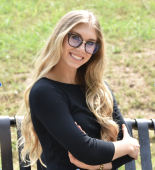
Molly Toomey
Licensed Clinical Social Worker, LCSW
Social isolation is different from simply being alone or lonely. Whether a conscious decision or an unconscious reaction or survival strategy, social isolation can have devastating consequences—humans are built for connection! My relational approach to therapy is often a great fit for folks who struggle with social isolation, avoidance, and perpetual feelings of disconnect or aloneness and are interested in exploring a different way of being.
9 Years Experience
Online in Middlebury, VT (Online Only)
Social Isolation
Brave Young Minds
Psychologist
Brave Young Minds therapists are trained to teach social skills and encourage practice to increase confidence and social connection.
8 Years Experience
Online in Middlebury, VT

Social Isolation
Carolyne Mburu-Gerena
Psychiatric Nurse Practitioner, PMHNP-BC
Social isolation can contribute to feelings of loneliness, sadness, and disconnection from others. Many individuals struggle to maintain relationships due to anxiety, life stress, or past experiences. Treatment focuses on improving emotional wellbeing, strengthening interpersonal skills, and helping individuals reconnect with meaningful relationships and community.
6 Years Experience
Online in Middlebury, VT (Online Only)

Social Isolation
Karen Queller
Art Therapist, M.A Expressive Arts Therapy
Discover your inner strengths, and find new ways to connect with yourself and others.
7 Years Experience
Online in Middlebury, VT
Social Isolation therapists in Middlebury, VT Statistics
Social Isolation therapists in Middlebury, VT average 16 years of experience and charge around $207 per session. 100% offer online sessions. The top treatment approaches are Cognitive Behavioral Therapy (CBT) (71%), Existential / Humanistic Therapy (46%), and Acceptance & Commitment Therapy (ACT) (43%).
Average years in practice
16 Years Experience
Average cost per session
$207
Accept insurance
38%
Offer sliding scale
37%
Gender ID
| 63% |
Female |
|
| 35% |
Male |
|
| 1% |
Gender Fluid |
|
| 1% |
Non-Binary |
|
Session Type
| 59% |
In Person and Online |
|
| 41% |
Online Only |
|
Top Treatment Approaches
| 71% | Cognitive Behavioral Therapy (CBT) |
| 46% | Existential / Humanistic Therapy |
| 43% | Acceptance & Commitment Therapy (ACT) |
| 43% | Person-Centered Therapy (Rogerian) |
| 38% | Psychodynamic Therapy |
| 35% | Behavioral Therapy |
| 32% | Interpersonal Therapy (IPT) |
Ages Served
| 100% | Adult |
| 81% | Young Adult |
| 54% | Senior |
| 41% | Teen |
| 17% | Children |
Client Focus
| 59% | Women |
| 46% | LGBTQ+ |
| 44% | Men |
| 35% | Hispanic / Latino |
| 35% | Military / Veterans |