Trauma and PTSD therapists in Porcupine Ridge, VIC
Find experienced trauma and PTSD therapists in Porcupine Ridge, Victoria, Australia who provide testing, evidence-based treatment for trauma, post-traumatic stress disorder, and related challenges such as anxiety, depression, and stress. Compare detailed therapist profiles and connect with a provider that’s right for you.
PTSD/Trauma
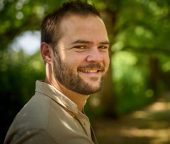
Sebastian Kitchen
Registered Psychotherapist, PACFA Reg. Certified Practising 32932
I use a tri-phasic trauma treatment model. That means the first phase (roughly 20 sessions) is all about creating emotional stabilisation and a deep sense of safety in the therapeutic relationship. The second phase is where the trauma treatment actually occurs, and this is done with great care, slowness and attunement, in a way that leads to integration of traumatic material.
1 Years Experience
In-Person Near Porcupine Ridge, VIC
Online in Porcupine Ridge, VIC
PTSD/Trauma
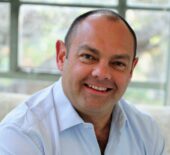
Andrew Robertson
Counsellor/Therapist, Master of Counselling and Applied Psychotherapy, Advanced Clinical Skills in Gestalt Psychotherapy
Some of my most satisfying work is with clients who have experienced trauma, whether complex, developmental trauma or the acute experiences that tend to underlie PTSD. Helping clients understand the neurobiology that underpins their responses to the world often results in them judging themselves less and finding an ability to be more compassionate with themselves.
12 Years Experience
Online in Porcupine Ridge, VIC

PTSD/Trauma
Kristen Bayliss
Psychologist, Registered Psychologist, BSc, MA
Trauma and PTSD symptoms often have very negative and distressing effects on people’s family and intimate relationships, work and career, and quality of life. Therapy and trauma counselling is a key and highly effective method for helping to process and resolve trauma.
28 Years Experience
Online in Porcupine Ridge, VIC

PTSD/Trauma
PELLA Wellness.
Registered Psychotherapist, Amanda Guilfoyle. M.Gestalt T. B.SocSci (Couns)
As a trauma informed therapist I hold your experience gently and work at a pace that is suitable for you to move through your deepest , darkest and most shattering experiences. I use psycho education to keep you informed about the changes in the brain from trauma. Using a combination of Gestalt therapy , Poly vagal theory and other modalities which might suit your particular experience you are taught new ways to navigate triggers and self regulate. With the right support you may be able to integrate what has happened to you rather than the event continually getting in the way of how you would like to be .
11 Years Experience
Online in Porcupine Ridge, VIC

PTSD/Trauma
Hargan Psychology
Psychologist
Trauma is an emotional response to a distressing experience or event/s. How this impacts our being depends on many factors. However, it is common to experience a number of negative experiences; numbness, lack of trust, sadness, flashbacks/nightmares, difficulty concentrating, irritability, exaggerated startle response, hypervigilence.
12 Years Experience
Online in Porcupine Ridge, VIC
Trauma and PTSD therapists in Porcupine Ridge, VIC Statistics
Trauma and PTSD therapists in Porcupine Ridge, VIC average 13 years of experience and charge around $181 per session. 100% offer online sessions. The top treatment approaches are Cognitive Behavioral Therapy (CBT) (57%), Person-Centered Therapy (Rogerian) (53%), and Somatic Therapy (44%).
Average years in practice
13 Years Experience
Average cost per session
$181
Accept insurance
49%
Offer sliding scale
53%
Gender ID
| 59% |
Female |
|
| 38% |
Male |
|
| 2% |
Non-Binary |
|
| 1% |
Gender Fluid |
|
Session Type
| 77% |
In Person and Online |
|
| 23% |
Online Only |
|
Top Treatment Approaches
| 57% | Cognitive Behavioral Therapy (CBT) |
| 53% | Person-Centered Therapy (Rogerian) |
| 44% | Somatic Therapy |
| 43% | Interpersonal Therapy (IPT) |
| 40% | Emotionally Focused Therapy (EFT) |
| 38% | Solution-Focused Brief Therapy (SFBT) |
| 36% | Psychoeducational Therapy |
Ages Served
| 96% | Adult |
| 74% | Young Adult |
| 62% | Senior |
| 49% | Teen |
| 32% | Children |
Client Focus
| 62% | Women |
| 58% | Men |
| 53% | LGBTQ+ |
| 48% | Persons with Disabilities |
| 31% | Military / Veterans |