Social Anxiety therapists in Porthcawl, Wales
Browse Social Anxiety therapists in Porthcawl, Wales, United Kingdom. Compare credentials, specialties and therapeutic approach. Contact a therapist to learn more.
View nearby cities

Social Anxiety
Kyle Davies
Psychologist, BSc MPhil CPsychol AFBPsS
Social anxiety is one of the biggest challenges people face in modern life. My work seeks to understand the underlying reason or cause for the symptoms of social anxiety. Rather than simply apply coping mechanisms, we look to address the root cause so you are empowered to take charge of your wellbeing and experience as you move forward.
27 Years Experience
In-Person Near Porthcawl, Wales
Online in Porthcawl, Wales

Social Anxiety
Tamzin Brain @HypnoChange4U
Counsellor/Therapist, Ad.Dip.CP, DipHyp CS, Dip CP, MNCS (Acc), MHS, Counselling Cert, CACHE3, B.A. Honours Degree PsyCrim
"Before I tried hypnotherapy I heard many stories how people lost weight without having operation, stopped smoking, got rid of different fears. My problem was I couldn’t answer the phone in the office while my colleagues were working close to my desk. I was not confident dealing with people on the phone and it was destroying me every day. This was my first experience having hypnotherapy. The session itself was very pleasant, I was so relaxed and calm like never before. After the hypnotherapy I started feeling different. It is strange, I got this confidence that I was always lacking. I couldn’t get this confidence myself and during the hypnosis session my unconscious mind was told to be confident. It is amazing how well it works! Our brain is powerful to change everything but sometimes we need a little help." (Lina)
15 Years Experience
Online in Porthcawl, Wales (Online Only)
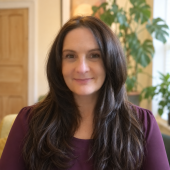
Social Anxiety
Samantha Coleman
Therapist, MBACP Prof Dip
Social anxiety can make everyday interactions feel stressful, exposing, or overwhelming. You may fear being judged, rejected, misunderstood, embarrassed, or seen in the wrong way. My approach is warm, thoughtful, and focused on understanding what lies underneath these fears rather than judging them. Together, we can explore the deeper patterns driving your anxiety and help you build greater confidence and ease in how you relate to other people.
13 Years Experience
Online in Porthcawl, Wales

Social Anxiety
Jimi Katsis
Registered Psychotherapist, MA psych, Dip SW
Social anxiety isn't shyness. It's the terror that people are watching you, judging you, seeing through you. It's scanning every conversation for proof that you said something wrong. It's replaying interactions for days, convinced you embarrassed yourself. It's exhausting.
You might avoid social situations entirely, or you go but spend the whole time performing—saying what you think people want to hear, monitoring every word, never relaxing. Either way, you're not actually present. You're too busy managing the anxiety to connect with anyone.
This usually comes from somewhere. Maybe you were criticized, shamed, or made to feel like who you naturally are wasn't acceptable. Your nervous system learned that being seen is dangerous, so now it tries to protect you by making you hypervigilant in social situations.
We work to understand where that fear got installed and what it's protecting you from. Not by forcing you into social situations before you're ready, but by helping your nervous system learn that being yourself doesn't actually equal danger. Then social situations stop feeling like performance reviews and start feeling like... just talking to people.
27 Years Experience
Online in Porthcawl, Wales (Online Only)

Social Anxiety
Brittany Statler, Intuitive Wellness Therapy Group
Licensed Clinical Social Worker, LCSW
Headline: Beyond the "Polite Mask": Finding Genuine Connection in a World of Over-Control
The Loneliness of Always Being "On"
Do you find yourself meticulously managing how you come across to others or changing yourself to adapt to everyone in the room? For many high-achievers, social anxiety doesn’t look like shaking hands; it looks like a "polite mask," a rigid adherence to social rules, and an exhausting internal monologue that critiques every word you say. You may be highly successful and well-liked, yet you feel deeply disconnected and "on the outside" of your own life.
My Approach: Radically Open DBT (RO-DBT)
I specialize in a unique, evidence-based approach called Radically Open Dialectical Behavioral Therapy (RO-DBT). Unlike traditional therapies that teach you more self-control, RO-DBT is designed for those who already have too much of it. We focus on the "biological" side of social signaling to help you feel safe enough to be seen.
Together, we will target the roots of social isolation by:
Fostering Radical Openness: Learning to drop the shield of perfectionism and lean into the "messy" beauty of unfiltered human feedback.
Building Flexibility: Breaking the rigid "shoulds" that dictate how you interact, allowing you to be spontaneous and authentic in real-time.
Enhancing Social Signaling: Learning how to use your body and voice to signal safety and warmth, which naturally invites deeper, more rewarding connections.
20 Years Experience
Online in Porthcawl, Wales (Online Only)
Social Anxiety therapists in Porthcawl, Wales Statistics
Social Anxiety therapists in Porthcawl, Wales average 14 years of experience and charge around ¤122 per session. 100% offer online sessions. The top treatment approaches are Integrative Therapy (62%), Cognitive Behavioral Therapy (CBT) (53%), and Person-Centered Therapy (Rogerian) (51%).
Average years in practice
14 Years Experience
Average cost per session
¤122
Accept insurance
35%
Offer sliding scale
45%
Gender ID
| 70% |
Female |
|
| 28% |
Male |
|
| 1% |
Gender Fluid |
|
| 1% |
Non-Binary |
|
Session Type
| 60% |
In Person and Online |
|
| 40% |
Online Only |
|
Top Treatment Approaches
| 62% | Integrative Therapy |
| 53% | Cognitive Behavioral Therapy (CBT) |
| 51% | Person-Centered Therapy (Rogerian) |
| 34% | Solution-Focused Brief Therapy (SFBT) |
| 31% | Psychodynamic Therapy |
| 30% | Somatic Therapy |
| 27% | Behavioral Therapy |
Ages Served
| 99% | Adult |
| 64% | Young Adult |
| 56% | Senior |
| 53% | Teen |
| 19% | Children |
Client Focus
| 66% | Women |
| 51% | Men |
| 47% | LGBTQ+ |
| 34% | Christian |
| 34% | Persons with Disabilities |