Anxiety therapists in Rhosllanerchrugog, Wales
Browse Anxiety therapists in Rhosllanerchrugog, Wales, United Kingdom. Compare credentials, specialties and therapeutic approach. Contact a therapist to learn more.

Anxiety
Lavinia May
Counsellor/Therapist, MNCPS (Acc.)
Hi, I'm Lavinia May, Psychotherapist & Life Coach | 14+ Years Experience.
I believe everyone has the potential to create meaningful change - sometimes you just need the right support to get there. With over a decade of experience helping individuals and couples heal, grow, and thrive, I offer a compassionate, results-driven approach tailored to your unique journey.
I specialise in:
Relationship therapy and couples counselling
Anxiety, stress, and emotional overwhelm
Personal growth and life transitions
Communication and conflict resolution
Healing from past trauma and emotional wounds
Building confidence and self-worth
Whether you're seeking deeper connection in your relationships, tools to overcome life's hurdles, or simply a safe space to be heard, I'm here to walk alongside you every step of the way.
12 Years Experience
In-Person Near Rhosllanerchrugog, Wales
Online in Rhosllanerchrugog, Wales
Anxiety
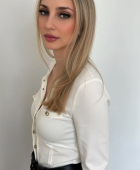
Anna Dafna
Psychologist, MEd, BEd, QTS, GMBPsS, ADHD & Executive Function Coach Accred, Leadership, Somatic & Polyvagal Cert
Anxiety, Fear & Emotional Overwhelm - Complimentary Consultation
Do you often feel weighed down by anxiety or persistent mental tension?
For many people with ADHD and other forms of neurodivergence, anxiety develops as the mind tries to manage overwhelm, uncertainty and constant mental activity.
Together we explore the connection between attention, emotions and the nervous system, and develop practical ways to regulate anxiety, regain emotional balance and respond to challenges with greater clarity and confidence.
Using a neuroscience-informed and strengths-based approach, I help clients build healthier emotional patterns so anxiety no longer drives their decisions or limits their life.
Book a complimentary consultation to explore whether this approach is right for you.
24 Years Experience
Online in Rhosllanerchrugog, Wales

Anxiety
Anna Brooker
Therapist, Advanced Level 3 BWRT Therapist, Award Winning Women's Health Coach, Life Coach
Anxiety or fears can take over quietly, until you're avoiding things, overthinking everything and never quite able to relax. I use BWRT® to work directly with the automatic response that sets anxiety off, so we're changing the reaction itself rather than just learning to cope with it. I offer a free 15-minute consultation. Send me a message using the enquiry form and I'll get back to you. Whether it's general worry, a specific fear or anxiety that seems to come from nowhere, we'll focus on how you want to feel instead.
6 Years Experience
Online in Rhosllanerchrugog, Wales
Anxiety
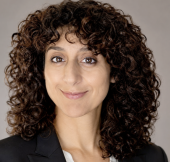
Claire de la Varre
Therapist, PhD, HGDipP
Anxiety is created by ruminating about the past or worrying about what might happen in the future. It is a misuse of the imagination combined with a hyper-vigilant nervous system. Excessive fears or phobias can be debilitating and people are often embarrassed to admit to them. You are not alone! Mind-body therapies address both the physical and mental (including the emotional and psychological) aspects of fear or anxiety. You can overwrite old patterns and learn more effective coping strategies.
18 Years Experience
Online in Rhosllanerchrugog, Wales
Anxiety
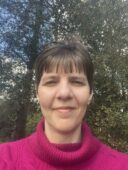
Vicky Mould
Counsellor/Therapist, Accredited Professional Registrant (PNCPS Acc.)
Anxiety can be debilitating and distressing, and prevent you from being the person you can be or would like to be. But there is a way forward for you. And I can be of support. I can offer a safe, compassionate and non-judgmental space where you can relieve thoughts and feelings you find troubling, and gently work through any experiences underlying them. You're welcome to get in touch to ask questions or book a consultation to explore if I'm the right counsellor for you.
15 Years Experience
Online in Rhosllanerchrugog, Wales (Online Only)
Anxiety therapists in Rhosllanerchrugog, Wales Statistics
Anxiety therapists in Rhosllanerchrugog, Wales average 14 years of experience and charge around ¤130 per session. 100% offer online sessions. The top treatment approaches are Integrative Therapy (55%), Cognitive Behavioral Therapy (CBT) (51%), and Person-Centered Therapy (Rogerian) (42%).
Average years in practice
14 Years Experience
Average cost per session
¤130
Accept insurance
32%
Offer sliding scale
46%
Gender ID
| 66% |
Female |
|
| 30% |
Male |
|
| 2% |
Gender Fluid |
|
| 2% |
Non-Binary |
|
Session Type
| 59% |
In Person and Online |
|
| 41% |
Online Only |
|
Top Treatment Approaches
| 55% | Integrative Therapy |
| 51% | Cognitive Behavioral Therapy (CBT) |
| 42% | Person-Centered Therapy (Rogerian) |
| 31% | Solution-Focused Brief Therapy (SFBT) |
| 31% | Somatic Therapy |
| 27% | Behavioral Therapy |
| 27% | Existential / Humanistic Therapy |
Ages Served
| 99% | Adult |
| 56% | Young Adult |
| 54% | Senior |
| 41% | Teen |
| 21% | Children |
Client Focus
| 64% | Women |
| 49% | Men |
| 42% | LGBTQ+ |
| 35% | Persons with Disabilities |
| 34% | Christian |