Forgiveness therapists in Seattle, WA
Browse Forgiveness therapists in Seattle, Washington. Compare credentials, specialties and therapeutic approach. Contact a therapist to learn more.

Forgiveness
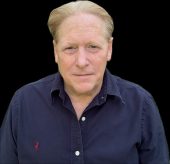
RelaxingOne.com Ned David Bratspis, PC
Marriage and Family Therapist, MA, LMFT
Forgiveness means giving up all hope of a better past.
35 Years Experience
Online in Seattle, WA (Online Only)
Forgiveness
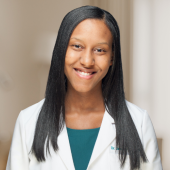
Dr. Janelle Louis
Psychiatric Nurse Practitioner, ND, PMHNP-BC
Forgiveness is a process. In our work together, I'll help you navigate emotional injuries, release resentment in a healthy way, and move forward without minimizing your pain. You’ll learn how to let go while still honoring your boundaries and healing journey.
10 Years Experience
Online in Seattle, WA (Online Only)
Forgiveness
Brian McCormack (Connemara Counseling)
Counselor/Therapist, LPC-A/LMHCA
I provide support for individuals navigating the process of forgiveness, helping clients work through hurt, resentment, and unresolved emotional pain. Using evidence-based approaches such as cognitive-behavioral therapy, mindfulness, and values-based interventions, I support clients in understanding the impact of past experiences while developing the capacity to release anger and move forward. My work emphasizes that forgiveness is a personal, empowering process—not condoning harm, but freeing oneself from its lasting effects—allowing clients to regain peace, clarity, and emotional balance.
2 Years Experience
Online in Seattle, WA (Online Only)

Forgiveness
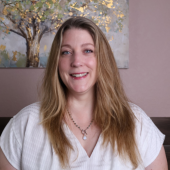
Vanessa Hooper
Counselor/Therapist, LMHC, PMH-C
Forgiveness isn't one-size-fits-all, and it is not the same as forgetting or excusing. I help you figure out what forgiveness would actually mean for you, if it's even the goal, and work through the grief and anger underneath it.
6 Years Experience
Online in Seattle, WA (Online Only)
Forgiveness
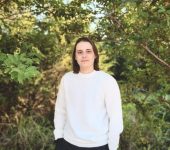
Finley Anderson
Therapist, LMFT
Forgiveness is not something you owe anyone, it’s not about pretending what happened was okay, can’t be rushed or forced. Forgiveness begins with making room for everything you feel and having your experience truly witnessed before any letting go.
3 Years Experience
Online in Seattle, WA (Online Only)

Forgiveness
Aaron Kapin
Somatic Experiencing Practitioner, SEP, LMT
Forgiveness is a loaded word. I'm not interested in telling you who to forgive, or how. But if you find yourself focused on the events surrounding a specific person, there might be some survival energy, emotional or physical, tied into that situation.
Using Somatic Experiencing to express and move that survival response so you feel safe again can help you 'un-fixate' from that person...and some may call that forgiveness. I prefer the term 'moving on', but we all have different language for this kind of thing.
11 Years Experience
Online in Seattle, WA (Online Only)
Forgiveness
Bethany Latimer
Licensed Professional Counselor, M.A., LMHC
Even if it is hard to forgive, or you need help to forgive, you get my uniquely crafted somatic exercises to support your ability to release / forgive.
23 Years Experience
Online in Seattle, WA (Online Only)

Forgiveness
Alignwell Modern Therapy
Counselor/Therapist
Unresolved hurt and resentment can weigh heavily on emotional well-being. Therapy can help you process painful experiences, explore what forgiveness means to you, and move toward greater peace and emotional freedom. We can support you as you move through this process, so you don't have to do it alone.
20 Years Experience
In-Person Near Seattle, WA
Online in Seattle, WA
Forgiveness
Kody Evans
Marriage and Family Therapist, LMFT
Forgiveness can be complicated, especially when trust has been damaged or hurt has gone unresolved. Moving forward does not mean minimizing what happened or pretending the pain is no longer there. Therapy can provide space to process the impact of difficult experiences, understand what repair may look like, and decide what forgiveness means for you. My approach focuses on accountability, understanding, and helping individuals and couples determine what they need to move forward in a healthier way.
9 Years Experience
In-Person Near Seattle, WA
Online in Seattle, WA
Forgiveness
Maria Elena Lara, Ph.D. LLC
Psychologist, Ph.D.
I utilize the latest research-backed information and therapy techniques to assist adolescents and adults with the challenges experienced with forgiveness, including but not limited to behavior rehearsal, cognitive reframing, coping strategies, assertiveness, communications skills, crisis resolution, emotional containment, homework, interpersonal skills, problem solving, stress reduction, and recommended reading, all within a cognitive-behavioral therapeutic framework
26 Years Experience
In-Person Near Seattle, WA
Online in Seattle, WA
Forgiveness therapists in Seattle, WA Statistics
Forgiveness therapists in Seattle, WA average 16 years of experience and charge around $203 per session. 100% offer online sessions. The top treatment approaches are Cognitive Behavioral Therapy (CBT) (60%), Emotionally Focused Therapy (EFT) (38%), and Person-Centered Therapy (Rogerian) (36%).
Average years in practice
16 Years Experience
Average cost per session
$203
Accept insurance
41%
Offer sliding scale
38%
Gender ID
| 56% |
Female |
|
| 40% |
Male |
|
| 2% |
Gender Fluid |
|
| 2% |
Non-Binary |
|
Session Type
| 59% |
In Person and Online |
|
| 41% |
Online Only |
|
Top Treatment Approaches
| 60% | Cognitive Behavioral Therapy (CBT) |
| 38% | Emotionally Focused Therapy (EFT) |
| 36% | Person-Centered Therapy (Rogerian) |
| 35% | Behavioral Therapy |
| 33% | Solution-Focused Brief Therapy (SFBT) |
| 31% | Acceptance & Commitment Therapy (ACT) |
| 28% | Existential / Humanistic Therapy |
Ages Served
| 98% | Adult |
| 74% | Young Adult |
| 60% | Senior |
| 43% | Teen |
| 19% | Children |
Client Focus
| 60% | Women |
| 55% | Men |
| 45% | LGBTQ+ |
| 40% | Christian |
| 38% | Military / Veterans |