Impulse Control Disorders therapists in Seattle, WA
Browse Impulse Control Disorders therapists in Seattle, Washington. Compare credentials, specialties and therapeutic approach. Contact a therapist to learn more.

Impulse Control
Nicole Waters (Flowing Waters Counseling)
Counselor/Therapist, LMHC
Acting on urges in the moment can lead to guilt, shame, or conflict with others. I help clients understand the triggers behind impulsive behaviors and develop mindfulness-based strategies to pause, reflect, and choose differently. Together, we’ll strengthen emotional regulation and decision-making skills to help you make choices that align with your values and bring peace of mind.
7 Years Experience
Online in Seattle, WA (Online Only)

Impulse Control
Carolyne Mburu-Gerena
Psychiatric Nurse Practitioner, PMHNP-BC
Impulse control difficulties can lead to behaviors that feel hard to stop despite negative consequences. These may include compulsive behaviors, difficulty regulating urges, or challenges with emotional control. Treatment focuses on improving awareness of triggers, strengthening coping skills, and utilizing medication management when appropriate to support greater emotional regulation.
6 Years Experience
Online in Seattle, WA (Online Only)
Impulse Control
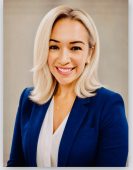
Roxanne Luna
Psychiatric Nurse Practitioner, PMHNP-BC
Difficulty controlling urges or behaviors can negatively impact many areas of life. I help clients identify underlying factors and develop healthier ways to manage impulses and make thoughtful decisions.
1 Years Experience
Online in Seattle, WA (Online Only)
Impulse Control
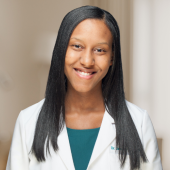
Dr. Janelle Louis
Psychiatric Nurse Practitioner, ND, PMHNP-BC
If you have an impulse control disorder, I can help you understand the emotional triggers behind impulsive behaviors and develop healthier coping strategies. In our sessions, we'll focus on self-regulation, awareness, and building supportive routines.
10 Years Experience
Online in Seattle, WA (Online Only)

Impulse Control
Avanour Behavioral Health Clinics PLLC
Psychologist, PsyD, LMHC, LMHCA. LSAW. LSW
Avanour provides compassionate, evidence-based support for individuals struggling with impulsive behaviors that affect their relationships, responsibilities, safety, or overall well-being. Our clinicians help clients identify triggers, understand emotional and behavioral patterns, strengthen self-control, and develop healthier coping and decision-making skills. Treatment is personalized to reduce harmful behaviors, improve emotional regulation, and support more thoughtful, values-based choices.
0 Years Experience
Online in Seattle, WA (Online Only)
Impulse Control Disorders therapists in Seattle, WA Statistics
Impulse Control Disorders therapists in Seattle, WA average 15 years of experience and charge around $231 per session. 100% offer online sessions. The top treatment approaches are Cognitive Behavioral Therapy (CBT) (83%), Behavioral Therapy (51%), and Family Systems Therapy (40%).
Average years in practice
15 Years Experience
Average cost per session
$231
Accept insurance
40%
Offer sliding scale
51%
Gender ID
| 59% |
Female |
|
| 37% |
Male |
|
| 2% |
Gender Fluid |
|
| 2% |
Non-Binary |
|
Session Type
| 54% |
Online Only |
|
| 46% |
In Person and Online |
|
Top Treatment Approaches
| 83% | Cognitive Behavioral Therapy (CBT) |
| 51% | Behavioral Therapy |
| 40% | Family Systems Therapy |
| 40% | Solution-Focused Brief Therapy (SFBT) |
| 34% | Acceptance & Commitment Therapy (ACT) |
| 34% | Emotionally Focused Therapy (EFT) |
| 31% | Integrative Therapy |
Ages Served
| 100% | Adult |
| 74% | Young Adult |
| 60% | Senior |
| 57% | Teen |
| 43% | Children |
Client Focus
| 63% | Women |
| 60% | LGBTQ+ |
| 57% | Men |
| 57% | Military / Veterans |
| 49% | Persons with Disabilities |