Thinking Disorders therapists in Seattle, WA
Browse Thinking Disorders therapists in Seattle, Washington. Compare credentials, specialties and therapeutic approach. Contact a therapist to learn more.

Thinking Disorders
Salome Valencia-Bohne
Licensed Clinical Social Worker, MSW, LSWAIC
We will look at your thought pattern and change the narrative if thought patterns are effected
6 Years Experience
In-Person in Seattle, WA 98105
Online in Seattle, WA
Thinking Disorders
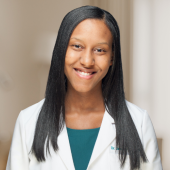
Dr. Janelle Louis
Psychiatric Nurse Practitioner, ND, PMHNP-BC
If you're experiencing disorganized thoughts, confusion, difficulty concentrating, or thinking disorders, I can help you by providing compassionate evaluation and stabilizing care. My treatment approach supports mental clarity, optimal functioning, and emotional safety.
10 Years Experience
Online in Seattle, WA (Online Only)

Thinking Disorders
Avanour Behavioral Health Clinics PLLC
Psychologist, PsyD, LMHC, LMHCA. LSAW. LSW
Avanour provides compassionate, recovery-oriented support for individuals experiencing disorganized thinking, difficulty concentrating or communicating thoughts, unusual beliefs, or changes in
0 Years Experience
Online in Seattle, WA (Online Only)
Thinking Disorders
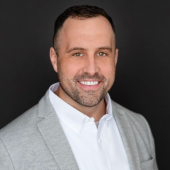
Kody Evans
Marriage and Family Therapist, LMFT
Difficult or persistent thought patterns can affect how you see yourself, interpret situations, make decisions, and interact with the people around you. At times, it may feel difficult to step outside of your own thinking or determine which thoughts are actually helping you move forward. Therapy can help you examine these patterns, understand how they influence emotions and behavior, and develop more effective ways of responding. My approach is collaborative and practical, with a focus on increasing awareness, challenging unhelpful thinking, and building strategies that support everyday functioning.
9 Years Experience
In-Person Near Seattle, WA
Online in Seattle, WA

Thinking Disorders
Lois Spence
Counselor/Therapist, MS, LMHCA
We will recognize thoughts that directly effect your behavior. We will look at your thoughts and work on replacing those messages for a more positive outlook.
5 Years Experience
In-Person Near Seattle, WA
Online in Seattle, WA
Thinking Disorders therapists in Seattle, WA Statistics
Thinking Disorders therapists in Seattle, WA average 11 years of experience and charge around $231 per session. 100% offer online sessions. The top treatment approaches are Cognitive Behavioral Therapy (CBT) (74%), Behavioral Therapy (53%), and Solution-Focused Brief Therapy (SFBT) (42%).
Average years in practice
11 Years Experience
Average cost per session
$231
Accept insurance
42%
Offer sliding scale
53%
Gender ID
| 62% |
Female |
|
| 30% |
Male |
|
| 4% |
Gender Fluid |
|
| 4% |
Non-Binary |
|
Session Type
| 68% |
In Person and Online |
|
| 32% |
Online Only |
|
Top Treatment Approaches
| 74% | Cognitive Behavioral Therapy (CBT) |
| 53% | Behavioral Therapy |
| 42% | Solution-Focused Brief Therapy (SFBT) |
| 37% | Emotionally Focused Therapy (EFT) |
| 37% | Motivational Interviewing (MI) |
| 37% | Person-Centered Therapy (Rogerian) |
| 32% | Family Systems Therapy |
Ages Served
| 100% | Adult |
| 84% | Young Adult |
| 63% | Senior |
| 37% | Teen |
| 21% | Children |
Client Focus
| 68% | Men |
| 58% | Women |
| 53% | LGBTQ+ |
| 47% | Hispanic / Latino |
| 47% | Military / Veterans |