Infertility therapists in Green Bay, WI
Browse Infertility therapists in Green Bay, Wisconsin. Compare credentials, specialties and therapeutic approach. Contact a therapist to learn more.
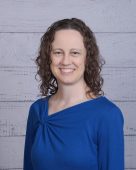
Infertility
Kristy Fujiura Counseling
Psychologist, Licensed Psychologist, Psy.D.
You never thought this would be so hard. You never thought this would happen to you. You’re broken-hearted. Why does it seem like everyone else’s body seems to be able to do what yours can’t? You feel helpless and hopeless.
And the worst part is that you feel so very alone. You’re surrounded by people who don’t know what to say, or who end up saying something that hurts you. They don’t understand how tiring it is to feel joy for someone else while you grieve for yourself. So you feel all the feelings - angry, anxious, sad, desperate. All while keeping that smile on your face. At every baby shower, every pregnancy announcement, every gender reveal.
You’ve been carrying this alone for long enough. I’ve been there too. Your pain is real. Will you let me journey with you?
11 Years Experience
Online in Green Bay, WI (Online Only)

Infertility
Dr. Rae Mazzei
Psychologist, PsyD
As a health psychologist, my focus is to support you through your struggles with infertility using a mind and body approach. I have expertise in helping individuals and couples cope with their infertility issues.
12 Years Experience
Online in Green Bay, WI (Online Only)
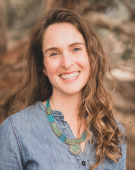
Infertility
Juliana Sloane
Hypnotherapist, CHT
Through hypnosis for infertility, I help clients release emotional stress, strengthen mind-body awareness, and cultivate inner calm during the fertility process. Hypnotherapy can support both natural conception and medical fertility treatments by reducing anxiety and promoting balance. My online sessions offer a compassionate space to nurture hope, healing, and connection on your path to parenthood.
6 Years Experience
Online in Green Bay, WI (Online Only)

Infertility
Dr. Megie Shean
Psychologist, PsyD
The longing to parent is a hard and sometimes isolating experience. The waiting, paperwork, and pain can increase distress. I can support you in this time.
7 Years Experience
Online in Green Bay, WI (Online Only)

Infertility
Dr. Daisy Vélez
Psychologist, PsyD, DipACLM, PMH-C
The journey through infertility can be heartbreaking, isolating, and all-consuming. Whether you're navigating fertility treatments, coping with loss, or facing uncertainty about what's next, I provide a space where all of your emotions are welcome. Together, we’ll process the grief, manage the stress, and reconnect with your sense of self and hope—whatever your path forward may be.
9 Years Experience
Online in Green Bay, WI
Infertility therapists in Green Bay, WI Statistics
Infertility therapists in Green Bay, WI average 18 years of experience and charge around $199 per session. 100% offer online sessions. The top treatment approaches are Cognitive Behavioral Therapy (CBT) (71%), Psychodynamic Therapy (47%), and Acceptance & Commitment Therapy (ACT) (37%).
Average years in practice
18 Years Experience
Average cost per session
$199
Accept insurance
41%
Offer sliding scale
37%
Gender ID
| 82% |
Female |
|
| 18% |
Male |
|
Session Type
| 59% |
In Person and Online |
|
| 41% |
Online Only |
|
Top Treatment Approaches
| 71% | Cognitive Behavioral Therapy (CBT) |
| 47% | Psychodynamic Therapy |
| 37% | Acceptance & Commitment Therapy (ACT) |
| 33% | Person-Centered Therapy (Rogerian) |
| 29% | Family Systems Therapy |
| 27% | Solution-Focused Brief Therapy (SFBT) |
| 25% | Existential / Humanistic Therapy |
Ages Served
| 100% | Adult |
| 61% | Young Adult |
| 59% | Senior |
| 51% | Teen |
| 31% | Children |
Client Focus
| 69% | Women |
| 39% | LGBTQ+ |
| 37% | Men |
| 25% | Jewish |
| 24% | Christian |