Bipolar Disorder therapists in Little Rock, AR
Browse Bipolar Disorder therapists in Little Rock, Arkansas. Compare credentials, specialties and therapeutic approach. Contact a therapist to learn more.
View nearby cities

Bipolar
Justin O. Green
Licensed Professional Counselor, LPC
While there is a wide variation in the severity levels of Bipolar symptoms, therapy can offer some benefits from symptom awareness and insight into triggers for cycle changes that can work either alone or in conjunction with medication treatments from psychiatrists.
33 Years Experience
Online in Little Rock, AR (Online Only)

Bipolar
James C. Carpenter, PhD, ABPP
Psychologist, PhD (Clinical Psychology, Ohio State U), Board Certified in Clinical Psychology (ABPP), PSYPACT
Extreme emotional states are a lifelong problem for many people. While I know that hereditable, biological factors are important, and medication is often helpful, I also try to understand the emotions as patterns of attempted mastery that the person has developed beginning in childhood, and work psychologically with those patterns, helping to craft modifications that make life more fulfilling.
41 Years Experience
Online in Little Rock, AR

Bipolar
Devon Davasher
Licensed Clinical Social Worker, LCSW, CCM, CFSW, Master ART Practitioner
I help adults with bipolar disorder better understand mood changes, stressors, and patterns that affect daily life and relationships. Therapy can support emotional regulation, self-awareness, coping skills, and routines that promote stability, while also offering a steady space to process what you are going through.
13 Years Experience
Online in Little Rock, AR (Online Only)

Bipolar
PSYCHe, PLLC
Psychologist, PhD, DBT-LBC™, LPC, PsyD, MSW, Marriage and Family Counselor, LCSW
We have clinicians who can provide specialized support for managing bipolar disorder. Our team is dedicated to offering support and guidance to help individuals with bipolar disorder improve their overall well-being.
12 Years Experience
Online in Little Rock, AR
Bipolar
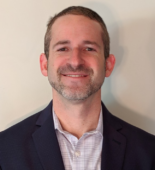
Dr. Brian M. Berman
Psychologist, Psy.D.
I specialize in helping individuals better manage highs and lows that are the hallmark of bipolar disorder. By building an awareness of manic/hypomanic episodes, we can effectively eliminate the subsequent drop into depression.
22 Years Experience
Online in Little Rock, AR
Bipolar Disorder therapists in Little Rock, AR Statistics
Bipolar Disorder therapists in Little Rock, AR average 19 years of experience and charge around $216 per session. 100% offer online sessions. The top treatment approaches are Cognitive Behavioral Therapy (CBT) (77%), Psychodynamic Therapy (45%), and Acceptance & Commitment Therapy (ACT) (40%).
Average years in practice
19 Years Experience
Average cost per session
$216
Accept insurance
62%
Offer sliding scale
40%
Gender ID
| 54% |
Female |
|
| 44% |
Male |
|
| 2% |
Non-Binary |
|
Session Type
| 68% |
In Person and Online |
|
| 32% |
Online Only |
|
Top Treatment Approaches
| 77% | Cognitive Behavioral Therapy (CBT) |
| 45% | Psychodynamic Therapy |
| 40% | Acceptance & Commitment Therapy (ACT) |
| 40% | Emotionally Focused Therapy (EFT) |
| 40% | Person-Centered Therapy (Rogerian) |
| 32% | Behavioral Therapy |
| 32% | Solution-Focused Brief Therapy (SFBT) |
Ages Served
| 98% | Adult |
| 77% | Young Adult |
| 60% | Senior |
| 53% | Teen |
| 23% | Children |
Client Focus
| 57% | Men |
| 55% | Women |
| 47% | LGBTQ+ |
| 32% | Hispanic / Latino |
| 30% | Military / Veterans |