Perfectionism therapists in Carmichael, CA
Browse Perfectionism therapists in Carmichael, California. Compare credentials, specialties and therapeutic approach. Contact a therapist to learn more.

Perfectionism
Abigail (Abi) Zarate Ramsay
Pre-Licensed Professional, Marriage and Family Therapist Trainee, Professional Clinical Counselor Trainee
I help clients struggling with perfectionism, self-criticism, and burnout learn to set kinder expectations, tolerate mistakes, and build a more flexible, values-based sense of success.
0 Years Experience
Online in Carmichael, CA (Online Only)

Perfectionism
Shohreh ("Sho-ray") Schmuecker
Marriage and Family Therapist, MA, LMFT
The parts of you that strive for perfection may have learned that having this drive can come with real advantages. The parts of you that try to be perfect may encourage you to do your very best and support you in striving for excellence. However, the relentless push for perfectionism can give you very little space for the mistakes and limitations that come with being human. Over time, the self-criticism and internal pressure tied to inflexible expectations can feel exhausting.
In our sessions together, we can work together to understand the parts of you that are working so very hard. We can explore how they came to be, how they have been helpful and if they are still serving you in the same ways they once were. Supporting you to understand what you would like moving forward and helping you find a more balance way.
12 Years Experience
Online in Carmichael, CA

Perfectionism
Kristin Robert
Marriage and Family Therapist, AMFT
Perfectionism is rarely about excellence alone. It often develops when achievement, control, or being beyond criticism becomes tied to safety, worth, belonging, or protection from shame. What may appear as discipline can quietly produce procrastination, overworking, indecision, self-criticism, and an inability to feel satisfied even after success. Therapy explores what imperfection has come to mean, separates healthy ambition from fear-driven performance, and builds the capacity to take risks, make mistakes, and remain worthy without continually proving it.
3 Years Experience
Online in Carmichael, CA
Perfectionism
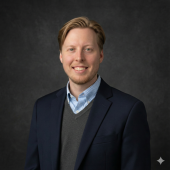
David Sudyka
Marriage and Family Therapist, Marriage & Family Therapist, LMFT, MA
Perfectionism can create constant pressure to get everything right, often leading to stress, procrastination, or feeling like nothing is ever good enough. It can be hard to relax or feel satisfied with what you accomplish. In therapy we will work on understanding where these patterns come from and how to shift them into something more balanced. The goal is to help you feel more flexible, more self accepting, and less weighed down by expectations.
4 Years Experience
Online in Carmichael, CA (Online Only)

Perfectionism
G. Roman Gupta, LCSW
Therapist, LCSW
I have been practicing for almost 20 years and I have a strength-based, trauma-informed, culturally aware, LGBTQ+ affirmative, sex positive, kink positive, poly affirming, feminist perspective. I have trained and practiced in a variety of treatment methods that offer us a variety of ways to meet your goals whether as an individual, couple, or family.
18 Years Experience
Online in Carmichael, CA
Perfectionism therapists in Carmichael, CA Statistics
Perfectionism therapists in Carmichael, CA average 13 years of experience and charge around $212 per session. 100% offer online sessions. The top treatment approaches are Cognitive Behavioral Therapy (CBT) (71%), Eye Movement Desensitization and Reprocessing (EMDR) (45%), and Somatic Therapy (43%).
Average years in practice
13 Years Experience
Average cost per session
$212
Accept insurance
39%
Offer sliding scale
39%
Gender ID
| 70% |
Female |
|
| 22% |
Male |
|
| 4% |
Gender Fluid |
|
| 4% |
Non-Binary |
|
Session Type
| 57% |
In Person and Online |
|
| 43% |
Online Only |
|
Top Treatment Approaches
| 71% | Cognitive Behavioral Therapy (CBT) |
| 45% | Eye Movement Desensitization and Reprocessing (EMDR) |
| 43% | Somatic Therapy |
| 39% | Psychodynamic Therapy |
| 37% | Emotionally Focused Therapy (EFT) |
| 33% | Acceptance & Commitment Therapy (ACT) |
| 33% | Dialectical Behavior Therapy (DBT) |
Ages Served
| 100% | Adult |
| 69% | Young Adult |
| 61% | Senior |
| 39% | Teen |
| 24% | Children |
Client Focus
| 69% | Women |
| 51% | LGBTQ+ |
| 37% | Asian |
| 35% | Men |
| 33% | Hispanic / Latino |