Trauma and PTSD therapists in Piedmont, CA
Find experienced trauma and PTSD therapists in Piedmont, California who provide testing, evidence-based treatment for trauma, post-traumatic stress disorder, and related challenges such as anxiety, depression, and stress. Compare detailed therapist profiles and connect with a provider that’s right for you.
View nearby cities

PTSD/Trauma
John Jakubowski
Marriage and Family Therapist, LMFT MACP LPCC
Trauma therapy has come light years in the last decade. You do not have to relive, or dig up past experiences to heal. I work with both trauma and attachment disruptions, in order to heal going forward and flourish. Through a myriad of relational tools, let's change the landscape and help you get on with your life.
7 Years Experience
In-Person in Piedmont, CA 94602
Online in Piedmont, CA

PTSD/Trauma
Zena Caputo
Marriage and Family Therapist, LMFT
Whether you’ve experienced a single, terrible event, a pattern of mistreatment or abuse, or even long-standing difficult and painful relationships with parents, the impact on you doesn’t have to remain so heavy. I have training in several research-informed approaches, including Eye Movement Desensitization and Reprocessing (EMDR), an evidence-based, extensively researched therapy that offers a different approach to treatment by engaging your brain’s natural healing process.
10 Years Experience
In-Person Near Piedmont, CA
Online in Piedmont, CA
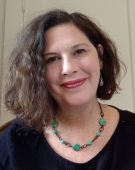
PTSD/Trauma
Robyn Holmes-Cannon
Marriage and Family Therapist, LMFT
Trauma is painful and often very hard to overcome without some form of help. The approach I use is client-centered, meaning we work through your experiences at a pace that feels safe to you and in a way that is empowering and offers ongoing resources. The treatment methods most often practiced are EMDR (Eye Movement Desensitization and Reprocessing), Internal Family Systems, The Flash Technique and Emotional Freedom Technique, all proven, highly effective trauma-informed approaches.
25 Years Experience
In-Person Near Piedmont, CA
Online in Piedmont, CA
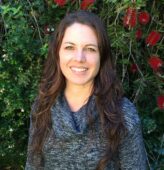
PTSD/Trauma
Charis Khoury
Marriage and Family Therapist, MA, LMFT
I see trauma in a broad sense- any experience that was too overwhelming to process in the moment and is stored in the body/mind. Gently, we can integrate and find freedom from these experiences.
16 Years Experience
In-Person Near Piedmont, CA
Online in Piedmont, CA

PTSD/Trauma
Mia Turner
Therapist, MA, RYT, ASDCS, LMFT, NPT-C, CMNCS, CMIP
Specialized support for trauma, complex trauma (C-PTSD), developmental trauma, attachment trauma, racial trauma, medical trauma, religious trauma, identity-based trauma, intergenerational trauma, and the impacts of systemic oppression, marginalization, and chronic invalidation. This work is particularly attuned to the experiences of neurodivergent, disabled, chronically ill, LGBTQIA2S+, BIPOC, multicultural, and other multiply marginalized individuals whose trauma often exists at the intersection of personal experiences and larger social systems.
My approach integrates EMDR, somatic therapy, polyvagal-informed practices, mindfulness, parts work, expressive arts, neuropsychotherapy, attachment-focused work, and liberation-oriented healing. Rather than asking what is wrong with you, we explore what happened to you, what happened around you, what happened within you, and the ways your nervous system, body, relationships, and sense of self adapted in order to survive.
Trauma often lives far beyond conscious memory. It is carried in the nervous system, muscles, breath, sensory experiences, patterns of tension, hypervigilance, perfectionism, people-pleasing, over-functioning, shutdown, dissociation, emotional overwhelm, chronic self-monitoring, difficulty resting, difficulty trusting, or a persistent feeling of being disconnected from yourself, your body, or your needs. Many of these responses reflect the intelligence of a system that learned how to survive under difficult circumstances rather than evidence that something is wrong with you.
This work invites a deeper understanding of the body's role in both survival and healing. Through attention to sensation, emotion, movement, breath, imagery, nervous system states, and the wisdom held by different parts of self, space is created for greater regulation, flexibility, self-compassion, and choice. Healing is not approached as fixing, erasing, or becoming someone different, but as gently reconnecting with the parts of yourself that may have been hidden beneath protection, adaptation, or survival.
As a multiply marginalized clinician whose work is informed by both professional expertise and lived understanding of trauma, culture, gender, neurodivergence, disability, chronic illness, and systemic oppression, I recognize that healing is rarely about symptom reduction alone. It is often about reclaiming connection to your body, your voice, your needs, your culture, your values, your relationships, your joy, your interests, your communities, and your capacity to move through life with greater authenticity, agency, and self-trust. The goal is not to return to who you were before trauma, but connecting with safe-enough states and reclaiming connection to self, community, embodiment, joy, agency, and the parts of you that existed long before survival became necessary.
10 Years Experience
Online in Piedmont, CA (Online Only)

PTSD/Trauma
Rebecca Rothberg
Psychologist, Psy.D., M.A., R.Y.T.
I specialize in cultivating a safe space to support clients in acquiring the necessary internal resources to navigate the complex and often overwhelming territory of trauma and PTSD - helping clients heal, grow, rebuild, and make meaning following devastating experiences.
9 Years Experience
In-Person Near Piedmont, CA
Online in Piedmont, CA
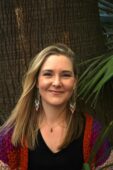
PTSD/Trauma
Kim Christine Stevens
Marriage and Family Therapist, LMFT, MA
Have a specialization in supporting people with trauma and PTSD. I have trauma informed therapy experience and education.
11 Years Experience
In-Person Near Piedmont, CA
Online in Piedmont, CA

PTSD/Trauma
Sarah Wagner LMFT Corp
Marriage and Family Therapist, LMFT, MBA
Trauma can impact how you experience safety, connection, and trust—both internally and in relationships. I approach trauma work through an attachment-based, developmental lens, recognizing that overwhelming experiences often shape protective patterns that once helped you survive.
Using Internal Family Systems (IFS), we gently work with parts that carry fear, shame, anger, or numbness. Emotionally Focused principles guide our work toward strengthening secure attachment and emotional safety. Therapy focuses on nervous system regulation, unburdening traumatic experiences at a pace that feels manageable, and restoring a sense of stability and self-trust.
6 Years Experience
In-Person Near Piedmont, CA
Online in Piedmont, CA

PTSD/Trauma
Jesse Whittle-Utter
Marriage and Family Therapist, M.A., Licensed Marriage and Family Therapist #79783
I use EMDR and somatic therapy to help identify and release many forms of trauma including sexual, physical, emotional, and developmental.
18 Years Experience
In-Person Near Piedmont, CA
Online in Piedmont, CA
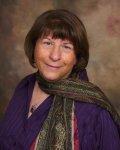
PTSD/Trauma
Barbara Lynn Allen
Hypnotherapist, MS. CCHT. DCEP
I offer expertise in energy psychology, clinical hypnotherapy, energy medicine and wise, empathic counseling for men, women, couples and teens. Our work together will relieve your anxiety, depression, PTSD, addictions and more while building inner strength for your life, work and relationships.
37 Years Experience
In-Person Near Piedmont, CA
Online in Piedmont, CA
Trauma and PTSD therapists in Piedmont, CA Statistics
Trauma and PTSD therapists in Piedmont, CA average 15 years of experience and charge around $205 per session. 99% offer online sessions. The top treatment approaches are Cognitive Behavioral Therapy (CBT) (64%), Psychodynamic Therapy (40%), and Eye Movement Desensitization and Reprocessing (EMDR) (40%).
Average years in practice
15 Years Experience
Average cost per session
$205
Accept insurance
37%
Offer sliding scale
49%
Gender ID
| 71% |
Female |
|
| 24% |
Male |
|
| 3% |
Non-Binary |
|
| 2% |
Gender Fluid |
|
Session Type
| 61% |
In Person and Online |
|
| 38% |
Online Only |
|
| 1% |
In Person Only |
|
Top Treatment Approaches
| 64% | Cognitive Behavioral Therapy (CBT) |
| 40% | Psychodynamic Therapy |
| 40% | Eye Movement Desensitization and Reprocessing (EMDR) |
| 35% | Person-Centered Therapy (Rogerian) |
| 33% | Existential / Humanistic Therapy |
| 32% | Somatic Therapy |
| 31% | Emotionally Focused Therapy (EFT) |
Ages Served
| 98% | Adult |
| 60% | Young Adult |
| 49% | Senior |
| 48% | Teen |
| 25% | Children |
Client Focus
| 60% | Women |
| 45% | LGBTQ+ |
| 33% | Men |
| 25% | Hispanic / Latino |
| 24% | Asian |