Autism therapists in Durham, CT
Find experienced Autism therapists in Durham, Connecticut who provide Autism testing, evaluations, and therapy. Our directory features detailed therapist profiles so you can compare qualifications, specialties, and treatment approaches to find the provider that’s right for you.

Autism
Shoreline Psychological
Psychologist, Psy.D.
Several clinicians at Shoreline Psychological are trained in providing supportive services for individuals and families dealing with neuro-divergence. We understand the unique needs of individuals and their families navigating a neuro-typical world with a neuro-divergent brain.
21 Years Experience
In-Person Near Durham, CT
Online in Durham, CT

Autism
Molly Toomey
Licensed Clinical Social Worker, LCSW
I work with autistic and AuDHD folks to help them navigate daily functioning (from sensory issues to social and cognitive difficulties), relationships, identity questions, emotional and practical needs, and more. I'm neurodivergent myself, and I personally understand the realities of navigating life with ADHD—the impact it can have on your self-esteem, confidence, relationships, family, work, school, and so much more. I use my decade of experience supporting autistic and AuDHD folks as a clinician and social worker, my professional training, and my personal lived experiences to help you move from surviving to thriving as an autistic adult.
9 Years Experience
Online in Durham, CT (Online Only)
Autism
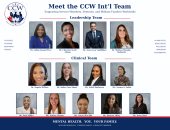
Centers for Counseling and Wellness, Int'l
Psychologist, PhD
Living with autism or Asperger's means experiencing the world in a way that others do not always understand. The sensory overload, the social exhaustion, the feeling of constantly trying to translate yourself for a world that was not quite built with you in mind. It can be isolating. And it can be exhausting in ways that are hard to put into words.
At CCW International, we see you. We understand that neurodivergent clients need more than a one-size-fits-all approach. They need a therapist who is curious, patient, and genuinely interested in understanding how your mind works, not trying to fit you into a mold.
We work with autistic adults and those with Asperger's profiles to navigate relationships, communication, sensory challenges, anxiety, and the emotional weight that often comes with feeling different. Our goal is never to change who you are. It is to help you thrive as exactly who you are, with the right tools, the right support, and a space where you never have to mask.
You belong here.
14 Years Experience
Online in Durham, CT (Online Only)

Autism
Philadelphia Couples Therapy
Psychologist, PsyD
We appreciate that while people on the spectrum might have some difficulties in life, having a different brain doesn't always have to mean something negative. A lot of the work we do is helping our clients see how their unique brains are contributing to dynamics in their relationships, and what that means moving forward. Sometimes a better understanding of the way one's mind works can help augment relationships in powerful ways.
23 Years Experience
Online in Durham, CT

Autism
Evolve Psychotherapy
Psychologist, PsyD
I have extensive training in Autism and its intersection with eating disorders. I provide neurodivergent affirming care.
19 Years Experience
Online in Durham, CT (Online Only)
Autism therapists in Durham, CT Statistics
Autism therapists in Durham, CT average 15 years of experience and charge around $213 per session. 100% offer online sessions. The top treatment approaches are Cognitive Behavioral Therapy (CBT) (63%), Acceptance & Commitment Therapy (ACT) (43%), and Behavioral Therapy (39%).
Average years in practice
15 Years Experience
Average cost per session
$213
Accept insurance
35%
Offer sliding scale
33%
Gender ID
| 55% |
Female |
|
| 34% |
Male |
|
| 6% |
Non-Binary |
|
| 5% |
Gender Fluid |
|
Session Type
| 63% |
In Person and Online |
|
| 37% |
Online Only |
|
Top Treatment Approaches
| 63% | Cognitive Behavioral Therapy (CBT) |
| 43% | Acceptance & Commitment Therapy (ACT) |
| 39% | Behavioral Therapy |
| 31% | Dialectical Behavior Therapy (DBT) |
| 29% | Family Systems Therapy |
| 29% | Psychoeducational Therapy |
| 27% | Multicultural Therapy |
Ages Served
| 96% | Adult |
| 76% | Young Adult |
| 53% | Teen |
| 49% | Senior |
| 35% | Children |
Client Focus
| 55% | Women |
| 49% | LGBTQ+ |
| 43% | Men |
| 39% | Persons with Disabilities |
| 31% | Black / African American |