Dissociative Disorders therapists in Brighton, England
Browse Dissociative Disorders therapists in Brighton, England, United Kingdom. Compare credentials, specialties and therapeutic approach. Contact a therapist to learn more.

Dissociation
Rachel Bates
Registered Psychotherapist, M Phil - Counselling & Psychotherapy; M A Psychology
Dissociative disorders are mental disorders that manifest a disconnection between thoughts, memories, actions and identity. It can cause involuntary and unhealthy behaviour that can cause dysfunction in the physical, social, emotional and spiritual dimensions of existence.
21 Years Experience
In-Person Near Brighton, ENG
Online in Brighton, England

Dissociation
Dr Grenville Major
Therapist, MBchB, MRCpsych, MSc psychological therapies
Dissociation is often a defence. A wall that keeps you safe from the traumas of the past and maybe those to come. The problem is it comes at a cost. You not connect with anything and the joy of living is greatly diminished. Therapy can ease you out of this space into a fuller life. I would like to meet with you to see what can be done to help you. This will enable us to get to know each other and see if we can work together. It’s important for you to work with someone you trust and feel safe with.
45 Years Experience
Online in Brighton, England

Dissociation
Dr George Booty. The PsychoTRAUMA Clinic (Convergence College of Psychotherapy)
Registered Psychotherapist, Dr, DPsych, MA Couns, MA Psych, PG Dip Spvn
DID will be tested and appropriate treatment offered.
31 Years Experience
Online in Brighton, England

Dissociation
Eric C Bettelheim
Registered Psychotherapist, PhD, MSc., J.D., M.A. A.B. Member: BACP, BPC.
Dissociation in my experience almost invariably involves traumatic experience which is unresolved.
4 Years Experience
Online in Brighton, England
Dissociation
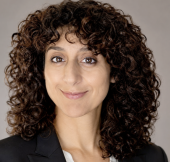
Claire de la Varre
Therapist, PhD, HGDipP
Dissociative disorders can develop as a response to overwhelming and often traumatic experiences. They have differing symptoms, but common to all of them is a lack of presence. We all zone out from time to time but dissociation can feel confusing or unsettling—it is the mind’s way of coping when other options are unavailable. Therapy provides a chance to understand these responses and the role they have played in protecting you. When you work with me, we will focus on helping you feel safe, building stability, and increasing self-awareness. We will also help you develop practical skills to increase presence and continuity in daily life.
18 Years Experience
Online in Brighton, England
Brighton has one of the largest and most visible LGBTQ+ communities in the United Kingdom, and its therapy community reflects this — with high demand for affirming therapists who specialise in queer identity, non-traditional relationship structures, gender diversity, and the intersection of LGBTQ+ experience with mental health. The city's two universities — the University of Brighton and the University of Sussex — generate significant student mental health demand and a progressive, intellectually engaged population that generally views therapy favourably. Sussex Partnership NHS Foundation Trust provides public mental health services, with a strong private therapy community concentrated in the Lanes, Kemptown, and Hove. Brighton's coastal character and arts-oriented culture support a creative community with its own distinct mental health needs around identity, purpose, and economic precarity.
Dissociative Disorders therapists in Brighton, England Statistics
Dissociative Disorders therapists in Brighton, England average 16 years of experience and charge around ¤132 per session. 100% offer online sessions. The top treatment approaches are Cognitive Behavioral Therapy (CBT) (53%), Integrative Therapy (53%), and Person-Centered Therapy (Rogerian) (53%).
Average years in practice
16 Years Experience
Average cost per session
¤132
Accept insurance
32%
Offer sliding scale
58%
Gender ID
| 53% |
Female |
|
| 42% |
Male |
|
| 5% |
Non-Binary |
|
Session Type
| 68% |
In Person and Online |
|
| 32% |
Online Only |
|
Top Treatment Approaches
| 53% | Cognitive Behavioral Therapy (CBT) |
| 53% | Integrative Therapy |
| 53% | Person-Centered Therapy (Rogerian) |
| 42% | Solution-Focused Brief Therapy (SFBT) |
| 37% | Emotionally Focused Therapy (EFT) |
| 37% | Existential / Humanistic Therapy |
| 37% | Interpersonal Therapy (IPT) |
Ages Served
| 100% | Adult |
| 74% | Young Adult |
| 68% | Senior |
| 53% | Teen |
| 26% | Children |
Client Focus
| 74% | Women |
| 68% | Men |
| 53% | LGBTQ+ |
| 53% | Persons with Disabilities |
| 47% | Black / African American |