Trauma and PTSD therapists in Whitehaven, England
Find experienced trauma and PTSD therapists in Whitehaven, England, United Kingdom who provide testing, evidence-based treatment for trauma, post-traumatic stress disorder, and related challenges such as anxiety, depression, and stress. Compare detailed therapist profiles and connect with a provider that’s right for you.
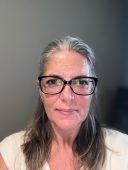
PTSD/Trauma
Sheelagh Brown
Psychologist, Psychologist, CBT Therapist, Executive Coach
Specialish support provides for psychological trauma, traumatic experiences (past and present) and PTSD
24 Years Experience
Online in Whitehaven, England
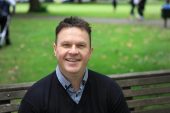
PTSD/Trauma
Kevin Martin
Counsellor/Therapist, Psychotherapist Psychodynamic Analysis & Transactional Analysis, BACP, ITTA, EA
Complex Post-Traumatic Stress Disorder (C-PTSD) stems from prolonged, repeated trauma—typically occurring over months or years when escape was difficult or impossible, such as childhood neglect, emotional/physical abuse, domestic violence, or long-term exploitation.
Core Distinctions & Symptom Clusters
Emotional Dysregulation: Severe difficulty managing emotional responses, leading to intense mood swings, explosive anger, persistent sadness, or prolonged emotional numbing.
Negative Self-Concept: Deep-seated, pervasive feelings of worthlessness, shame, guilt, or feeling fundamentally broken or "different" from others.
Relational Difficulties: Chronic struggles with interpersonal relationships, including profound trust issues, fear of intimacy, or repeating unhealthy relational patterns.
Emotional Flashbacks: Unlike visual PTSD flashbacks, these involve sudden, intense regressions into the overwhelming feelings of childhood or past trauma (e.g., intense fear, smallness, hopelessness) without a clear visual memory.
10 Years Experience
Online in Whitehaven, England (Online Only)

PTSD/Trauma
Kylie Feller
Licensed Professional Counsellor, MA, CCC
I use internal famoky systems therapy to help people heal trauma. This is an empirically validated approach to help not just with trauma but also a number of other mental health struggles such as addiction, anxiety, depression, and self-worth. It helps people heal by connected to and experiencing ones true self. This is a very experiential approach that is provides people with the space to do deep healing work.
10 Years Experience
Online in Whitehaven, England (Online Only)

PTSD/Trauma
Chris Chicoteau
Counsellor/Therapist, Master of Counselling, IFS Level 2
Gain clarity about how trauma impacts your life and move towards addressing it.
16 Years Experience
Online in Whitehaven, England
PTSD/Trauma
Empowered Wellbeing, Decolonizing Intersectional and Integrative Complex Trauma & Dissociation Recovery Support
Life Coach, view my credentials online at: www.recoveringfromwithin.com/credentialslongform
We bring 14+ years of experience with complex trauma, dissociation care and recovery, memory reconsolidation and other neurodevelopmental care, attachmemt care and support... We specialize in CSAS - Adult Survivors of Childhood Sexual Abuse, Colonial and/or Narcissistic/Trauma Recovery. Our approach is systems and neurodevelopmental and at times ethnotraditional/ecorelational based. We bring compassion and empathy to trauma recovery support. There is a deep understanding of the internal and external affects of trauma recovery. Care providers are sometimes also survivors who have been through the recovery and have deep compassion for the process. We look at and work with intersectional issues of oppression. We also recognize many instances of socially derived trauma are intergenerational, lateralized and or oppressive and ongoing, clients are often addressing childhood, as well as, adult trauma from a non-self-shaming compassion based approach such as, Intersectional Care, Parts Work including TIST -- Trauma Informed Stabilization Theory, IFS -- Internal Family Systems; Somatic Work and distance CranioSacral; DBR, Polyvagal and Attachment Theory based approaches... non dominant handwriting, addiction care, memory reconsolidation and existential/coherence level care. We also integrate understanding of Transformative and Social Justice to bring awareness to internalized oppression that can keep survivors looped into dangerous experiences. We have a decolonizing orientation to care! This work is a special calling, during and post trauma recovery, folks may even feel more affirmed and move towards creative and fulfilling Self actualization in their process. We welcome POC and GM folks with intersecting care needs. Please feel free to email me if you have any questions.
15 Years Experience
Online in Whitehaven, England (Online Only)
Trauma and PTSD therapists in Whitehaven, England Statistics
Trauma and PTSD therapists in Whitehaven, England average 14 years of experience and charge around ¤135 per session. 100% offer online sessions. The top treatment approaches are Integrative Therapy (55%), Cognitive Behavioral Therapy (CBT) (51%), and Person-Centered Therapy (Rogerian) (49%).
Average years in practice
14 Years Experience
Average cost per session
¤135
Accept insurance
37%
Offer sliding scale
47%
Gender ID
| 68% |
Female |
|
| 28% |
Male |
|
| 2% |
Gender Fluid |
|
| 2% |
Non-Binary |
|
Session Type
| 66% |
In Person and Online |
|
| 34% |
Online Only |
|
Top Treatment Approaches
| 55% | Integrative Therapy |
| 51% | Cognitive Behavioral Therapy (CBT) |
| 49% | Person-Centered Therapy (Rogerian) |
| 39% | Somatic Therapy |
| 31% | Behavioral Therapy |
| 31% | Existential / Humanistic Therapy |
| 30% | Solution-Focused Brief Therapy (SFBT) |
Ages Served
| 99% | Adult |
| 65% | Young Adult |
| 54% | Senior |
| 53% | Teen |
| 22% | Children |
Client Focus
| 66% | Women |
| 51% | Men |
| 48% | LGBTQ+ |
| 35% | Persons with Disabilities |
| 33% | Christian |