Skip to content

Sexual Abuse therapists in Manchester, ENG, UK

We are proud to feature top rated Sexual Abuse therapists in Manchester. We encourage you to review each profile to find your best match.
FILTER RESULTS
Salford, England therapist: Gordon Wax BA HONS MBACP, counselor/therapist
Sexual Abuse

Gordon Wax BA HONS MBACP

Counsellor/Therapist, Psychoanalytic Psychotherapist
I help people over come and understand their trauma so that they can have a healthier connection with their own body and create lasting meaningful relationships going forward.  
13 Years Experience
In-Person Near Manchester, ENG
Online in Manchester, ENG
Wigan, England therapist: Georgina Lloyd, counselor/therapist
Sexual Abuse

Georgina Lloyd

Counsellor/Therapist, MSW, LCSW
I have experience supporting adolescents, adults, and families affected by sexual abuse, including working in a residential program with teenage boys exhibiting problem sexual behaviors. I also support adults with a history of childhood sexual abuse. I provide compassionate guidance, promote accountability, and help individuals and families build safe, healthy coping strategies in a structured and supportive environment.  
6 Years Experience
In-Person Near Manchester, ENG
Online in Manchester, ENG
Bristol, England therapist: Jimi Katsis, registered psychotherapist
Sexual Abuse

Jimi Katsis

Registered Psychotherapist, MA psych, Dip SW
Sexual abuse breaks something fundamental—your sense of safety in your own body, your ability to trust, your right to say no. The impact doesn't end when the abuse ends. It shows up in relationships, in how you feel about yourself, in anxiety or depression or dissociation that doesn't make sense until you connect it back. Many survivors spend years not naming it as abuse, minimizing what happened, or believing they should be "over it" by now. There's no timeline for this. Your nervous system is still protecting you from something that felt life-threatening, even if rationally you know you're safe now. We work carefully and at your pace. This isn't about forcing you to relive everything in graphic detail—that re-traumatizes, it doesn't heal. Instead, we work to help your nervous system understand that the threat is over, while processing what happened in a way that doesn't overwhelm you. You're not broken. Your responses make complete sense given what you survived. Healing is possible, but it takes time, safety, and someone who understands trauma from the inside. If you're ready to explore this work, reach out. We'll start with a free consultation to see if I'm the right fit.  
27 Years Experience
Online in Manchester, ENG (Online Only)
Not sure who to pick?
Answer a few quick questions and see your Sexual Abuse matches in Manchester instantly. Takes ~1 minute.
Get matched →
Los Angeles, California therapist: Empowered Wellbeing, Decolonizing Intersectional and Integrative Complex Trauma & Dissociation Recovery Support, life coach
Sexual Abuse

Empowered Wellbeing, Decolonizing Intersectional and Integrative Complex Trauma & Dissociation Recovery Support

Life Coach, view my credentials online at: www.recoveringfromwithin.com/credentialslongform
For over fourteen years, we have supported Adult Survivors of Childhood Sexual Abuse and those healing from racial and generational trauma, both historic and current, to recover. Our lead practitioner had done personal recovery work as a CSAS/survivor and brings compassion to supporting and facilitating so many others on their own organic healing journeys. We are skilled with one time abuse, ritualistic abuse, torture, some trafficking, and repeated sexual abuse trauma recovery support work. We are skilled with offering compassionate support for dissociation, shock trauma, neurodevelopmental, various Parts Work Models and Systems Models, Inner Child Work, somatics, non dominant handwriting, memory reconsolidation, working with no memories, coherence and integration work, endocrine and immune system integration support...We bring a compassion and well developed capacity that is helpful to this work. We can organically weave in what the client needs and adjust as we go, sourcing from models as diverse as TIST, DBR, IFS -- Internal Family Systems, EFIT, distance CranioSacral, Traditional/Eco-Relational Ways, Ancestral Healing, Attachment Theory, Inner Child Somatic and Expressive Work, Functional and Integrative Care, Intersectional Oppression Care.. to build a rich organic framework for meeting the recovery needs of each individual survivors. We support clients receiving adjunct peer group and other care so that there is a strong safety net for the work. We often support folks through this work for a minimum of three years, though each person is different. Some folks may recover to the point of needing less frequent sessions, sometimes something will activate and more or longer sessions may help for a period of time. One doesn't need to be diagnosed to do this work. Some folks have patchy memories or doubt their memories, that's natural. All are welcome. What is asked is that folks show up with a willingness to meet what's coming up for them as compassionately as one can as they recover. The practitioner will offer lots of support with this as the client is moving through memories, feelings, flashbacks, symptoms, situational challenges, activations...If you have questions, please feel free to ask.  
15 Years Experience
Online in Manchester, ENG (Online Only)
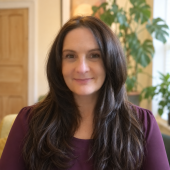
Nottingham, England therapist: Liz Frings, counselor/therapist
Sexual Abuse

Liz Frings

Counsellor/Therapist, PG Diploma Person-Centred Psychotherapy. EMDR Accredited
Creating a Safe SpaceThe foundation of healing from sexual abuse is safety—and therapy provides a confidential, judgment-free space where you have complete control. You decide what to share, when to share it, and how fast to move. A trauma-informed therapist understands that building trust takes time and will never pressure you to discuss anything before you're ready.Processing the TraumaSexual abuse often gets "stuck" in your nervous system, which is why memories can feel so vivid and overwhelming. Trauma-focused therapies help your brain properly process these experiences so they become integrated memories rather than present threats.EMDR (Eye Movement Desensitization and Reprocessing) is particularly effective for sexual abuse. It helps reprocess traumatic memories without requiring you to describe every detail out loud. Through bilateral stimulation (eye movements or tapping), EMDR helps reduce the emotional intensity of memories and transform beliefs like "I'm dirty" or "It was my fault" into more accurate, compassionate truths like "I survived" or "I deserve safety and respect."Trauma-Focused CBT helps you work through trauma memories while also addressing unhelpful thought patterns and avoidance behaviors that keep you stuck.Releasing Shame and Self-BlameOne of the most insidious effects of sexual abuse is shame—the feeling that you're somehow damaged, dirty, or responsible for what happened. Therapy helps you understand that shame belongs to the perpetrator, not to you. Your therapist will gently but consistently help you recognize that: The abuse was not your fault, regardless of the circumstances Your body's responses (freezing, not fighting back, physical sensations) were survival mechanisms, not consent You deserve compassion, not judgment You're not defined by what was done to you Reconnecting with Your BodySexual abuse often causes disconnection from your body—feeling numb, dissociated, or like your body betrayed you. Somatic therapies help you gradually reconnect with physical sensations in a safe, gentle way. You learn that your body isn't the enemy; it protected you the best way it could and can be a source of wisdom and strength.Rebuilding TrustAfter abuse, trusting others—or yourself—can feel impossible. The therapeutic relationship itself becomes a space to practice trust. Your therapist demonstrates consistency, respect for boundaries, and genuine care without exploitation. Over time, this experience can help you believe that safe, trustworthy relationships are possible.Working Through Relationship and Intimacy IssuesSexual abuse often complicates romantic and sexual relationships. Therapy provides space to explore these difficulties, whether that's fear of intimacy, difficulty with physical touch, complicated feelings about sex, or patterns of choosing unhealthy partners. You can work on communicating your needs, setting boundaries, and gradually reclaiming your sexuality on your own terms.Processing Complex FeelingsIf the abuse was committed by someone you knew, loved, or depended on—which is often the case—your feelings might be complicated. You might experience grief, anger, confusion, or even lingering attachment alongside the trauma. Therapy honors this complexity without judgment and helps you make sense of seemingly contradictory emotions.Addressing DissociationMany survivors of sexual abuse experience dissociation—feeling disconnected from yourself, your surroundings, or reality. This was likely a protective response during the abuse. Therapy teaches grounding techniques to help you stay present and gradually reduces the need for dissociation as you process the trauma.Healing Developmental WoundsIf the abuse occurred during childhood or adolescence, it may have disrupted your normal development—impacting your sense of identity, sexuality, boundaries, and relationships. Therapy helps address these developmental wounds and supports you in reclaiming aspects of growth that were stolen from you.Breaking Silence and IsolationSexual abuse thrives in secrecy. Simply speaking your truth to someone who believes you and responds with compassion can be profoundly healing. Therapy breaks the isolation that abuse creates and reminds you that you're not alone—many survivors have walked this path before you and found their way to healing.Reclaiming Your PowerAbuse strips away your sense of control and agency. Therapy helps you reclaim your power—making choices about your healing process, setting boundaries, discovering your voice, and recognizing your strength. You learn that you're not a victim defined by what happened; you're a survivor with agency over your future. Building a Life Beyond SurvivalEarly therapy often focuses on stabilization and processing trauma. As you heal, therapy shifts toward building the life you want—developing healthy relationships, pursuing goals, experiencing joy, and discovering who you are beyond the abuse. Recovery isn't just about reducing symptoms; it's about thriving.  
15 Years Experience
Online in Manchester, ENG
Manchester is one of England's most dynamic cities — a hub for media, tech, music, and higher education — and its therapy community reflects the breadth of this cultural and professional diversity. The city's large student population across the University of Manchester, Manchester Metropolitan, and the University of Salford creates sustained demand for therapists addressing academic stress, young adult identity, and the transition pressures of emerging adulthood. Greater Manchester Mental Health NHS Foundation Trust provides public mental health services, while a private therapy community serves Didsbury, Chorlton, and the Northern Quarter. Manchester's large South Asian, Black Caribbean, and Eastern European communities drive demand for multilingual and culturally affirming therapists across the region.

Sexual Abuse therapists in Manchester, England, United Kingdom Statistics

Sexual Abuse therapists in Manchester, England, United Kingdom average 16 years of experience and charge around ¤114 per session. 100% offer online sessions. The top treatment approaches are Person-Centered Therapy (Rogerian) (64%), Integrative Therapy (59%), and Cognitive Behavioral Therapy (CBT) (46%).

Average years in practice

16 Years Experience

Average cost per session

¤114

Accept insurance

44%

Offer sliding scale

51%

Gender ID

64% Female
33% Male
3% Non-Binary

Session Type

69% In Person and Online
31% Online Only

Top Treatment Approaches

64% Person-Centered Therapy (Rogerian)
59% Integrative Therapy
46% Cognitive Behavioral Therapy (CBT)
44% Existential / Humanistic Therapy
41% Psychodynamic Therapy
33% Somatic Therapy
33% Internal Family Systems (IFS)

Ages Served

100% Adult
67% Young Adult
56% Senior
54% Teen
23% Children

Client Focus

77% Women
62% LGBTQ+
62% Men
54% Persons with Disabilities
49% Christian

More therapy options for Manchester