Sexual Abuse therapists in Minehead, England
Browse Sexual Abuse therapists in Minehead, England, United Kingdom. Compare credentials, specialties and therapeutic approach. Contact a therapist to learn more.
View nearby cities
Sexual Abuse
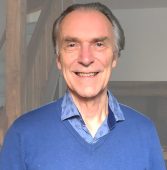
Sudeva Hawkes
Registered Psychotherapist, Registered Clinical Counsellor, B.Couns., MNCPS Accred. , PACFA Reg.
I have experience with this issue and together we'll create a safe and gentle environment, where you can process the impact of sexual abuse with sensitivity and care. My approach combines clinical expertise with trauma healing techniques and mindfulness to help you reclaim your sense of safety and autonomy. We'll work on developing resilience and healing. My goal is to empower you to move forward, shedding shame while cultivating strength and self-worth.
29 Years Experience
Online in Minehead, England (Online Only)
Sexual Abuse
Empowered Wellbeing, Decolonizing Intersectional and Integrative Complex Trauma & Dissociation Recovery Support
Life Coach, view my credentials online at: www.recoveringfromwithin.com/credentialslongform
For over fourteen years, we have supported Adult Survivors of Childhood Sexual Abuse and those healing from racial and generational trauma, both historic and current, to recover. Our lead practitioner had done personal recovery work as a CSAS/survivor and brings compassion to supporting and facilitating so many others on their own organic healing journeys. We are skilled with one time abuse, ritualistic abuse, torture, some trafficking, and repeated sexual abuse trauma recovery support work. We are skilled with offering compassionate support for dissociation, shock trauma, neurodevelopmental, various Parts Work Models and Systems Models, Inner Child Work, somatics, non dominant handwriting, memory reconsolidation, working with no memories, coherence and integration work, endocrine and immune system integration support...We bring a compassion and well developed capacity that is helpful to this work. We can organically weave in what the client needs and adjust as we go, sourcing from models as diverse as TIST, DBR, IFS -- Internal Family Systems, EFIT, distance CranioSacral, Traditional/Eco-Relational Ways, Ancestral Healing, Attachment Theory, Inner Child Somatic and Expressive Work, Functional and Integrative Care, Intersectional Oppression Care.. to build a rich organic framework for meeting the recovery needs of each individual survivors. We support clients receiving adjunct peer group and other care so that there is a strong safety net for the work. We often support folks through this work for a minimum of three years, though each person is different. Some folks may recover to the point of needing less frequent sessions, sometimes something will activate and more or longer sessions may help for a period of time. One doesn't need to be diagnosed to do this work. Some folks have patchy memories or doubt their memories, that's natural. All are welcome. What is asked is that folks show up with a willingness to meet what's coming up for them as compassionately as one can as they recover. The practitioner will offer lots of support with this as the client is moving through memories, feelings, flashbacks, symptoms, situational challenges, activations...If you have questions, please feel free to ask.
15 Years Experience
Online in Minehead, England (Online Only)

Sexual Abuse
Ummayah Sidhu
Counsellor/Therapist, BACP Accredited Psychotherapist & Clinical Lead | Identity, Heritage & High-Pressure Transitions
Healing from sexual trauma requires a foundation of absolute safety and choice. I offer trauma-informed support to help you process your experiences at your own pace, focusing on reclaiming your sense of autonomy and peace.
10 Years Experience
Online in Minehead, England (Online Only)

Sexual Abuse
Rachel Bates
Registered Psychotherapist, M Phil - Counselling & Psychotherapy; M A Psychology
Sexual violence and abuse is any behaviour of a sexual nature which is unwanted and takes place without consent or understanding. This can cause shock, guilt, anger, shame, depression, anxiety and/or have a profound effect on the survivor's attitude towards sex.
21 Years Experience
Online in Minehead, England

Sexual Abuse
Georgina Lloyd
Counsellor/Therapist, MSW, LCSW
I have experience supporting adolescents, adults, and families affected by sexual abuse, including working in a residential program with teenage boys exhibiting problem sexual behaviors. I also support adults with a history of childhood sexual abuse. I provide compassionate guidance, promote accountability, and help individuals and families build safe, healthy coping strategies in a structured and supportive environment.
6 Years Experience
Online in Minehead, England
Sexual Abuse therapists in Minehead, England Statistics
Sexual Abuse therapists in Minehead, England average 16 years of experience and charge around ¤113 per session. 100% offer online sessions. The top treatment approaches are Integrative Therapy (60%), Person-Centered Therapy (Rogerian) (58%), and Cognitive Behavioral Therapy (CBT) (48%).
Average years in practice
16 Years Experience
Average cost per session
¤113
Accept insurance
45%
Offer sliding scale
48%
Gender ID
| 66% |
Female |
|
| 32% |
Male |
|
| 2% |
Non-Binary |
|
Session Type
| 72% |
In Person and Online |
|
| 28% |
Online Only |
|
Top Treatment Approaches
| 60% | Integrative Therapy |
| 58% | Person-Centered Therapy (Rogerian) |
| 48% | Cognitive Behavioral Therapy (CBT) |
| 43% | Existential / Humanistic Therapy |
| 38% | Psychodynamic Therapy |
| 33% | Internal Family Systems (IFS) |
| 33% | Somatic Therapy |
Ages Served
| 98% | Adult |
| 73% | Young Adult |
| 58% | Senior |
| 55% | Teen |
| 25% | Children |
Client Focus
| 75% | Women |
| 63% | LGBTQ+ |
| 60% | Men |
| 50% | Christian |
| 50% | Persons with Disabilities |