Addictions therapists in Nottingham, England
Browse Addictions therapists in Nottingham, England, United Kingdom. Compare credentials, specialties and therapeutic approach. Contact a therapist to learn more.

Substance Abuse
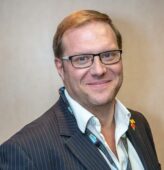
Benjamin Marr
Counsellor/Therapist, BA MA Relational Psychotherapist/ Birkbeck College - Psychodynamic Counsellor
Since I started my career in psychotherapy, I have successfully dedicated considerable productive efforts to client issues. In my private practice, I create a safe and supportive therapy environment in which clients interact with me in terms of the point to where they wish to advance. To these circumstances, I bring my experience with the nature of illness, drug therapies, professional ethics and more.
35 Years Experience
Online in Nottingham, England
Substance Abuse
James Hitchen - I Am James Therapy & Coaching
Therapist, Psychotherapeutic counselling (level 5), MBACP, AdV member Addiction Professionals, MNCPS accred. National Centre For Eating Disorders
I am member an advanced member of Addiction Professionals registration body. I am an addictions and eating disorder specialist. I offer a range of services from 1:1 and group counselling/coaching sessions. I trained at Richmond College and am strongly informed by 12 step philosophy. I work as a consultant therapist at Start 2 Stop a secondary residential addictions treatment centre as well as for Orchestrate Health and I help clients find recovery from addiction so they can thrive in life.
9 Years Experience
Online in Nottingham, England

Substance Abuse
Shareen Birges
Registered Social Worker, BASS, GDYMH, MSW
I have worked with both young people & adults with substance misuse/abuse issues & those with diagnosed addictive behaviour. Using motivational interviewing & elements of CBT, I work with a person-centred & strengths based approach to tailor treatment to the personal needs of the individual & their significant others. I understand that recovery can be difficult & how important it is to move at the pace of the indiviudal seeking support. I work on the basis that relapse is part of the process & as discouraging as this can be, it is important to use these set backs as a learning opportunity to better enable the individual to make recovery stick the next time around.
18 Years Experience
Online in Nottingham, England
Substance Abuse
Empowered Wellbeing, Decolonizing Intersectional and Integrative Complex Trauma & Dissociation Recovery Support
Life Coach, view my credentials online at: www.recoveringfromwithin.com/credentialslongform
If it is likely trauma based, we integrate TIST, IFS, DBR, NVC, Polyvagal and Attachment Theory, Brainspotting, Havening, SSP, ... within the context of supporting parts enacting eating disorders, sex and intimacy disorders, substance or process addictions, or/and other compulsive and withdrawal type behaviors. We offer collaborative support for folks in 12 and 16 Step Programs and other peer groups. We may integrate a functional and/or integrative health approach for deficiencies or genetic adaptations that may be at the root. If it is moral injury, privilege ennui and/or control based, we would also address that along with the coping behavior. Please feel free to ask if you have other questions.
15 Years Experience
Online in Nottingham, England (Online Only)

Substance Abuse
Jayne Batten
Counsellor/Therapist, MSc, CT, MPCC, MBACP
Addictions are behaviours in which we engage to enable us to cope with deep emotional pain, usually stemming from some form of trauma in our lives. Social and environmental factors can also play a role in developing addictions. Addictions include the use of alcohol, drugs, sex, pornography, gambling, smoking, shopping, etc. as a way to provide temporary relief from the painful thoughts and negative feelings that arise within us. Over time addictions establish themselves as the go-to relief to cope with our emotions, but at the same time render us less functional. Our relationships, work, and homelife begin to suffer from the consequences of the addiction. Talking therapy can help to uncover and resolve the pain that lies beneath addiction and over time help us to reconnect with our inner selves and to discover and develop behavioural responses to replace the addictive behaviour.
8 Years Experience
Online in Nottingham, England
Nottingham has two major universities — the University of Nottingham and Nottingham Trent University — generating significant student mental health demand and clinical training pipelines that feed into a relatively well-developed private therapy community. The city has one of the highest rates of poverty of any city outside London, and therapists frequently address economic stress, housing precarity, and the psychological effects of deprivation alongside the concerns of the university and professional community. Nottinghamshire Healthcare NHS Foundation Trust provides public mental health services, with a private practice community serving West Bridgford, the Park Estate, and the city centre. Nottingham's large South Asian, Black British, and Eastern European communities drive ongoing demand for multilingual and culturally affirming therapists.
Addictions therapists in Nottingham, England Statistics
Addictions therapists in Nottingham, England average 15 years of experience and charge around ¤131 per session. 100% offer online sessions. The top treatment approaches are Person-Centered Therapy (Rogerian) (63%), Integrative Therapy (55%), and Cognitive Behavioral Therapy (CBT) (53%).
Average years in practice
15 Years Experience
Average cost per session
¤131
Accept insurance
45%
Offer sliding scale
55%
Gender ID
| 63% |
Female |
|
| 37% |
Male |
|
Session Type
| 68% |
In Person and Online |
|
| 32% |
Online Only |
|
Top Treatment Approaches
| 63% | Person-Centered Therapy (Rogerian) |
| 55% | Integrative Therapy |
| 53% | Cognitive Behavioral Therapy (CBT) |
| 39% | Existential / Humanistic Therapy |
| 39% | Psychodynamic Therapy |
| 29% | Behavioral Therapy |
| 29% | Solution-Focused Brief Therapy (SFBT) |
Ages Served
| 97% | Adult |
| 61% | Senior |
| 55% | Teen |
| 47% | Young Adult |
| 24% | Children |
Client Focus
| 66% | Women |
| 53% | Men |
| 47% | LGBTQ+ |
| 34% | Black / African American |
| 34% | Christian |