Self Esteem therapists in Whitley Bay, England
Browse Self Esteem therapists in Whitley Bay, England, United Kingdom. Compare credentials, specialties and therapeutic approach. Contact a therapist to learn more.

Self Esteem
Lulu AlRashdi
Life Coach
Low self-esteem often develops through early life experiences, relationships, or messages that lead us to question our value. Through trauma-informed coaching, we explore the beliefs and experiences that have shaped how you see yourself, bringing awareness to the patterns that no longer serve you. Together, we work to build self-compassion, challenge limiting beliefs, strengthen your relationship with yourself, and develop a sense of confidence that comes from self-acceptance rather than external validation.
3 Years Experience
Online in Whitley Bay, England (Online Only)
Self Esteem
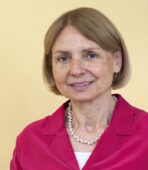
Nicole Rolls
Counsellor/Therapist, PG Dip, MA, BACP Accred, EMDR Accred, 20 years experience as a Therapist
Self esteem is the core of our well being. We often lose it through life experience but we can regain it. I find EMDR particularly helpful in developing greater Self esteem
21 Years Experience
Online in Whitley Bay, England

Self Esteem
Kamini Wood
Life Coach, FHH, CLC, CPM
Low self-esteem is often rooted in the stories we have come to believe about ourselves. You may question your worth, minimize your needs, seek approval from others, or feel like you have to earn love and acceptance. These patterns can affect your relationships, decisions, and overall well-being.
Together, we'll identify the beliefs that no longer serve you, reconnect with your strengths and values, and build a stronger foundation of self-worth. As your self-trust grows, so does your ability to set healthy boundaries, communicate with confidence, and make choices that reflect the person you truly are.
8 Years Experience
Online in Whitley Bay, England (Online Only)

Self Esteem
Josh Dolin: Life Coach | Purpose Pathfinder
Life Coach
Struggling with self-esteem can affect every aspect of your life, from relationships to personal growth. My coaching approach focuses on helping you build confidence, recognize your self-worth, and overcome the negative thought patterns holding you back. Together, we’ll create personalized strategies to help you develop a positive self-image, increase resilience, and foster a greater sense of self-acceptance. Schedule a complimentary 15-minute consultation to begin your journey toward a stronger, more confident you.
9 Years Experience
Online in Whitley Bay, England (Online Only)

Self Esteem
Ruth Mark-Roland Psychotherapy
Registered Psychotherapist, Post Grad Diploma in Psychotherapy, Foundation and Diploma in Group Analysis
I offer support for low self-esteem and issues related to self-worth, including persistent self-criticism, feelings of inadequacy, shame, and difficulty recognising or trusting your own value. Many people I work with struggle with an internal sense of not being “enough,” which can affect relationships, decision-making, boundaries, and overall emotional wellbeing.
My approach is grounded in psychoanalytic and relational psychotherapy, providing a safe and reflective space to explore how these beliefs about the self may have developed over time. Together, we may look at early attachment experiences, relational dynamics, and internalised messages that have shaped how you see yourself and relate to others.
I work in a trauma-informed way, recognising how experiences such as emotional neglect, criticism, rejection, or relational trauma can contribute to ongoing difficulties with self-esteem. Therapy offers a space to gently explore and begin to shift these patterns, at a pace that feels safe and manageable.
I also integrate somatic awareness to help you notice how self-critical beliefs and emotions are held in the body, supporting greater grounding and self-regulation. Psychoeducation may be used to deepen understanding of these processes, and where appropriate, I may incorporate EFT (Emotional Freedom Techniques / tapping) to support emotional processing and reduce intensity of self-critical states.
Therapy is collaborative and focused on developing a more compassionate, stable, and realistic sense of self, supporting you to relate to yourself with greater acceptance, confidence, and ease over time.
14 Years Experience
Online in Whitley Bay, England
Self Esteem therapists in Whitley Bay, England Statistics
Self Esteem therapists in Whitley Bay, England average 14 years of experience and charge around ¤126 per session. 100% offer online sessions. The top treatment approaches are Integrative Therapy (58%), Cognitive Behavioral Therapy (CBT) (52%), and Person-Centered Therapy (Rogerian) (45%).
Average years in practice
14 Years Experience
Average cost per session
¤126
Accept insurance
35%
Offer sliding scale
47%
Gender ID
| 66% |
Female |
|
| 32% |
Male |
|
| 1% |
Gender Fluid |
|
| 1% |
Non-Binary |
|
Session Type
| 61% |
In Person and Online |
|
| 39% |
Online Only |
|
Top Treatment Approaches
| 58% | Integrative Therapy |
| 52% | Cognitive Behavioral Therapy (CBT) |
| 45% | Person-Centered Therapy (Rogerian) |
| 31% | Psychodynamic Therapy |
| 29% | Solution-Focused Brief Therapy (SFBT) |
| 27% | Existential / Humanistic Therapy |
| 27% | Somatic Therapy |
Ages Served
| 100% | Adult |
| 61% | Young Adult |
| 51% | Senior |
| 47% | Teen |
| 20% | Children |
Client Focus
| 61% | Women |
| 45% | Men |
| 42% | LGBTQ+ |
| 32% | Christian |
| 30% | Persons with Disabilities |