Dissociative Disorders therapists in Byron Center, Michigan MI
We are proud to feature top rated Dissociative Disorders therapists in Byron Center. We encourage you to review each profile to find your best match.
Dissociation
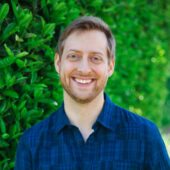
Brandon Zahl
Counselor/Therapist, LMHC
Feelings of disconnection from ourselves, others and our daily life come as a result of unresolved trauma -- not because we are broken. Together, we'll tap into the inherent presence of the body (if that feels safe) and cut through the fog and numbness that seeps into your life. We'll listen to your body for any signs of unresolved trauma or relational wounding and work gently with the body to heal.
6 Years Experience
Online in Byron Center, MI Michigan (Online Only)

Dissociation
Aaron Kapin
Somatic Experiencing Practitioner, SEP, LMT
There are different kinds of dissociative disorders. If you have DID (Dissociative Identity Disorder), then unfortunately I lack training in that area.
However, if you chronically are feeling dissociated, disconnected from your body and/or the present moment, and want to be able to be more in the here and now, I absolutely have training around that. Somatic Experiencing can be very effective at slowly and gently supporting your nervous system to move out of freeze (dissociation) and into a more vital, grounded headspace.
11 Years Experience
Online in Byron Center, MI Michigan (Online Only)
Dissociation
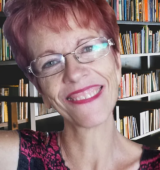
Dr. Amanda Roberts
Psychologist, PhD Clinical Psychology, Masters in Marriage Family Therapy
There are few clinicians skilled in the treatment of these complex disorders. Dr Roberts has many years of experience working with the traumatic fallout of complex trauma. He has specialist training in dissociative identity disorder and structural dissociation.
41 Years Experience
Online in Byron Center, MI Michigan (Online Only)
Dissociation
Imagine Recovery Counseling LLC (Kristen Gidel Kelly)
Counselor/Therapist, LPCC-S, LICDC, CTTS, Certified EMDR Therapist and Consultant
Imagine Recovery Counseling prioritizes trauma and somatic healing for mental health, substance use, and behavioral concerns. We serve adults and couples age 18+ and specialize in EMDR, Somatic Experiencing, and Couples counseling services to address trauma related issues. We welcome clients with a variety of MH issues and strive to serve as an ally to unserved populations (BIPOC, LGBTQIA+, Military and First Responders, and Neurodivergent). Email us directly and we will respond within 24 hours! I post weekly on Wed with the current status of our waitlist and who is taking clients. No wait right now!
Our therapists are trained in trauma informed care protocols, including EMDR, Parts work (IFS/Ego State), DBT skills, iREST, Somatic Experiencing, ACT and CBT. Kristen also provides EMDR Consultation and Supervision for Counselors. Chris, Sarah, Polly, Linda, and Jessica are accepting clients! We operate off a short waiting list for the rest of the team.
We are competent. We believe you. We know what to do. We got you. We are mindful of our space and strive to provide trauma informed care. Our providers have lived experience and the knowledge to help. You have spent your whole life surviving; it's time to thrive and life the life you want to live. In person or virtual. Daytime and evening hours.
19 Years Experience
Online in Byron Center, MI Michigan

Dissociation
Nancy Hayes-Gary, Psy.D.
Psychologist, Licensed Psychologist, MD , Psy.D.
Grounding, soothing, and leaning to separate out past trauma from present reality helps decrease dissociation. I also approach this with some of the approaches I’ve already mentioned. People who dissociate are often plagued with past thoughts or memories of a very difficult time. Exploring childhood patterns of family interactions gives one a key to understanding their dissociation as a trauma response. Also essential is the learning of other trauma responses that don’t come with the down sides of dissociating, like memory problems or depersonalization/derealization anxiety.
33 Years Experience
Online in Byron Center, MI Michigan (Online Only)
Dissociative Disorders therapists in Byron Center, Michigan Statistics
Dissociative Disorders therapists in Byron Center, Michigan average 19 years of experience and charge around $204 per session. 100% offer online sessions. The top treatment approaches are Cognitive Behavioral Therapy (CBT) (61%), Existential / Humanistic Therapy (57%), and Person-Centered Therapy (Rogerian) (54%).
Average years in practice
19 Years Experience
Average cost per session
$204
Accept insurance
39%
Offer sliding scale
39%
Gender ID
| 51% |
Female |
|
| 43% |
Male |
|
| 3% |
Non-Binary |
|
| 3% |
Gender Fluid |
|
Session Type
| 61% |
In Person and Online |
|
| 39% |
Online Only |
|
Top Treatment Approaches
| 61% | Cognitive Behavioral Therapy (CBT) |
| 57% | Existential / Humanistic Therapy |
| 54% | Person-Centered Therapy (Rogerian) |
| 46% | Internal Family Systems (IFS) |
| 39% | Somatic Therapy |
| 36% | Emotionally Focused Therapy (EFT) |
| 36% | Dialectical Behavior Therapy (DBT) |
Ages Served
| 100% | Adult |
| 68% | Young Adult |
| 57% | Senior |
| 54% | Teen |
| 32% | Children |
Client Focus
| 57% | Women |
| 54% | Men |
| 50% | LGBTQ+ |
| 39% | Military / Veterans |
| 39% | Persons with Disabilities |