Stopping Smoking therapists in Grosse Pointe Park, MI
Browse Stopping Smoking therapists in Grosse Pointe Park, Michigan. Compare credentials, specialties and therapeutic approach. Contact a therapist to learn more.
Smoking
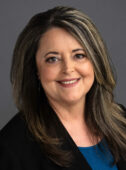
Success Behavioral Health, Teresa J Lynch
Psychologist, PhD, LP, CCHT, CMHIMP
If smoking or tobacco cessation was just physical withdrawal, it would be easy and over with in one or two weeks, but we know that is not the case. Most people return to smoking at least once long after the physical withdrawal was overcome. For some people psychological approaches are needed. I have been helping people quit smoking using evidence-based cognitive-behavioral therapy and hypnosis for many years. If you are ready to quit for good, give me a call. Additionally, I can help you explore and learn about nutritional and other complementary approaches to help balance and soothe your system and reduce cravings.
18 Years Experience
Online in Grosse Pointe Park, MI

Smoking
Dr. Christopher Lowery, DHSc, CLCP
Clinical Health Practitioner, Board-Certified Life Care Planner
This component provide strategies for managing cravings, building healthy habits, and sustaining long-term tobacco-free living.
24 Years Experience
Online in Grosse Pointe Park, MI
Smoking
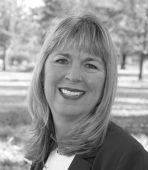
Jennifer L Abel
Psychologist, Ph.D.
I do not do hypnosis. It's popular, but only about 15% of people quit this way. What I do is right around 50% effective: Stimulus control plus the patch. This combination helps with the both the habit and the nicotine addiction. Stimulus control involves assessing which stimuli trigger a smoke (alcohol, coffee, after dinner, in your car) and using that information to break the connection. Plus there's a few other tricks up my sleeve including, but not limited to, relaxation and acceptance strategies.
30 Years Experience
Online in Grosse Pointe Park, MI (Online Only)
Smoking
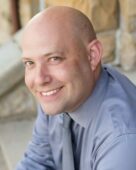
Josh Murray- Hopeful Minds
Psychologist, MA, LLP
It has been shown that cognitive-behavioral therapy (CBT), combined with a smoking cessation medication (such as the nicotine patch, nicotine gum, and Chantix®, for example), is quite effective for smokers who are motivated to quit. CBT is an evidenced-based psychological treatment that focuses on identifying and changing maladaptive thoughts, emotions, and behaviors that trigger, worsen, and/or maintain a range of problems (such as depression, anxiety, addiction, etc.). Because changing your smoking-related behaviors – and restructuring your thoughts related to smoking urges – is essential to quitting, CBT can effectively be applied to smoking cessation.
An intensive CBT program is typically composed of three phases: preparation, quitting, and maintenance (or relapse prevention).
5 Years Experience
Online in Grosse Pointe Park, MI
Smoking
Center for Cognitive Behavioral Therapy and Mindfulness
Psychologist, PhD, JD
Not all therapists provide evidence-based therapies, and not all therapists who claim to provide CBT are specially trained in this approach. The Center for Cognitive Behavioral Therapy and Mindfulness team consists of doctoral-level clinicians who are highly trained experts in cognitive behavioral therapies.
We are also trained in tailoring your treatment to your individual needs, so you can be sure you are receiving highly individualized care while also benefiting from the techniques that are proven to work.
5 Years Experience
Online in Grosse Pointe Park, MI (Online Only)
Stopping Smoking therapists in Grosse Pointe Park, MI Statistics
Stopping Smoking therapists in Grosse Pointe Park, MI average 14 years of experience and charge around $216 per session. 100% offer online sessions. The top treatment approaches are Cognitive Behavioral Therapy (CBT) (61%), Behavioral Therapy (43%), and Biopsychosocial Therapy (39%).
Average years in practice
14 Years Experience
Average cost per session
$216
Accept insurance
30%
Offer sliding scale
39%
Gender ID
| 73% |
Female |
|
| 23% |
Male |
|
| 4% |
Non-Binary |
|
Session Type
| 65% |
Online Only |
|
| 35% |
In Person and Online |
|
Top Treatment Approaches
| 61% | Cognitive Behavioral Therapy (CBT) |
| 43% | Behavioral Therapy |
| 39% | Biopsychosocial Therapy |
| 35% | Compassion-Focused Therapy (CFT) |
| 35% | Emotionally Focused Therapy (EFT) |
| 35% | Hypnotherapy |
| 35% | Solution-Focused Brief Therapy (SFBT) |
Ages Served
| 96% | Adult |
| 83% | Young Adult |
| 70% | Senior |
| 48% | Teen |
| 22% | Children |
Client Focus
| 57% | Military / Veterans |
| 52% | Persons with Disabilities |
| 48% | Christian |
| 48% | Women |
| 43% | LGBTQ+ |