Postpartum Depression therapists in Rochester, MN
Browse Postpartum Depression therapists in Rochester, Minnesota. Compare credentials, specialties and therapeutic approach. Contact a therapist to learn more.
View nearby cities

Postpartum
Dr. Rae Mazzei
Psychologist, PsyD
As a psychologist specializing in postpartum depression, I provide compassionate support for new mothers navigating the challenges of this life-changing transition. Together, we’ll address feelings of sadness, anxiety, and overwhelm while fostering emotional healing and building effective coping strategies. My goal is to help you reconnect with yourself, bond with your baby, and embrace motherhood with confidence and joy. You are not alone, and healing is possible.
12 Years Experience
Online in Rochester, MN (Online Only)

Postpartum
Dr. Bridget Williams
Psychologist, PsyD, LP
How can you feel so off, sad, unlike yourself during "the most wonderful time of your life"? Maternal mental health means a pregnant or postpartum woman’s overall emotional, social, and mental well-being. 1 in 5 women experience mental health challenges while trying to conceive, navigating infertility, surviving loss, during pregnancy, labor and delivery, and into postpartum. No matter where you are on your motherhood journey – infertility, miscarriage, infant loss, new motherhood, surviving toddlers to teens, child loss, or navigating an empty nest – I am here to support you.
10 Years Experience
Online in Rochester, MN (Online Only)
Postpartum
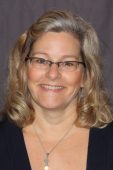
Know Thyself Healing & Therapy
Licensed Clinical Social Worker, LICSW, LPCC, LGSW
Postpartum depression can affect mood, bonding, and daily functioning after childbirth. We provide supportive, compassionate care to help you navigate this transition and begin feeling more like yourself again.
28 Years Experience
Online in Rochester, MN
Postpartum
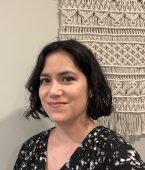
Amanda Barrios-Egan
Counselor/Therapist, LPCC
I work with all individuals who are currently experiencing postpartum depression and/or postpartum anxiety.
20 Years Experience
Online in Rochester, MN

Postpartum
Katherine Jones
Counselor/Therapist, ND, MA, LPCC
I offer individualized and compassionate support for individuals navigating the complexities of the postpartum period. Whether you're experiencing "baby blues", postpartum depression or anxiety, adjusting to parenthood, coping with birth trauma, or struggling with changes in relationships, I am here to provide a safe and nurturing space for you to explore your feelings and concerns. Together, we will work collaboratively to develop coping strategies, strengthen your support network, and cultivate self-care practices to promote your emotional well-being during this transformative time.
3 Years Experience
Online in Rochester, MN
Postpartum Depression therapists in Rochester, MN Statistics
Postpartum Depression therapists in Rochester, MN average 15 years of experience and charge around $209 per session. 100% offer online sessions. The top treatment approaches are Cognitive Behavioral Therapy (CBT) (79%), Acceptance & Commitment Therapy (ACT) (47%), and Person-Centered Therapy (Rogerian) (42%).
Average years in practice
15 Years Experience
Average cost per session
$209
Accept insurance
56%
Offer sliding scale
44%
Gender ID
| 78% |
Female |
|
| 21% |
Male |
|
| 1% |
Non-Binary |
|
Session Type
| 68% |
In Person and Online |
|
| 32% |
Online Only |
|
Top Treatment Approaches
| 79% | Cognitive Behavioral Therapy (CBT) |
| 47% | Acceptance & Commitment Therapy (ACT) |
| 42% | Person-Centered Therapy (Rogerian) |
| 37% | Emotionally Focused Therapy (EFT) |
| 37% | Psychodynamic Therapy |
| 31% | Behavioral Therapy |
| 31% | Interpersonal Therapy (IPT) |
Ages Served
| 100% | Adult |
| 77% | Young Adult |
| 55% | Senior |
| 47% | Teen |
| 21% | Children |
Client Focus
| 68% | Women |
| 40% | LGBTQ+ |
| 35% | Men |
| 27% | Black / African American |
| 27% | Hispanic / Latino |