Psychosis therapists in Saint Paul, MN
Browse Psychosis therapists in Saint Paul, Minnesota. Compare credentials, specialties and therapeutic approach. Contact a therapist to learn more.
Psychosis
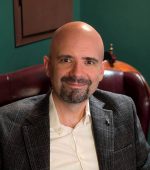
Dr. Brian Sharpless
Psychologist, Ph.D., Clinical Psychology; M.A., Philosophy
Psychotic disorders can have a profound effect on people's lives. However, therapy can be a helpful addition to medication and other treatments. I have experience treating psychotic disorders using Psychodynamically-Oriented Supportive Therapy (POST) and other approaches. I have also published professional works on hallucinations and delusions. Please note that I only do individual therapy (i.e., not couple's or family therapy).
19 Years Experience
Online in Saint Paul, MN

Psychosis
Siddharth Arora
Psychiatrist, DO, MS
Experiencing psychosis can be frightening and disorienting, both for the individual and their loved ones. At our practice, we provide expert assessment and treatment for conditions involving hallucinations, delusions, and disorganized thinking. Our compassionate team uses antipsychotic medications, cognitive support, and coordinated care to stabilize symptoms and promote recovery, always with a focus on dignity and respect.
10 Years Experience
Online in Saint Paul, MN

Psychosis
Dr. Jeff J. Rocker
Licensed Mental Health Counselor, PH.D, NCC, LMHC, LCPC, LPC
Rocker Health has experienced and competent staff to deal with these issues.
15 Years Experience
Online in Saint Paul, MN

Psychosis
Philadelphia Couples Therapy
Psychologist, PsyD
Experiencing psychosis can be deeply frightening and isolating, but you are not alone. Estimates of percentages of people who experience psychosis range from as low as 1% to as high as 15% or more, though there remains a significant stigma attached. In movies and TV, individuals who experience psychosis might be depicted as aggressive or even violent, whereas, in reality, the majority of these individuals are much more likely to be victims of violence or prone to be taken advantage of and withdrawn from others.
The experience of psychosis can significantly impact our relationships, romantic or otherwise. However, our most current research and understanding identifies fostering relationships as one of the most effective means of coping with and recovering from psychosis. In the same way that difficulties with relationships, especially in youth, can be a contributing factor to the first onset of psychosis, positive relationships during and following an episode can help us overcome the logistical, practical, emotional, cognitive, and physical challenges often associated with such symptoms and related diagnoses.
Social relationships, including romantic relationships, are inherent to recovery. Whether you have experienced psychosis yourself, or if you have a loved one or close other who has experienced or is experiencing psychosis, you will find support at PCT!
23 Years Experience
Online in Saint Paul, MN

Psychosis
Dr. Trey Cole
Psychologist, Psy.D., ABPP, DAAETS
I provide compassionate support for individuals experiencing psychosis, focusing on understanding and reducing distressing experiences. Together, we work on coping strategies, emotional regulation, and building routines to enhance daily functioning. My goal is to help clients regain stability, confidence, and a sense of empowerment in their lives.
19 Years Experience
Online in Saint Paul, MN
Psychosis therapists in Saint Paul, MN Statistics
Psychosis therapists in Saint Paul, MN average 19 years of experience and charge around $210 per session. 100% offer online sessions. The top treatment approaches are Psychodynamic Therapy (63%), Cognitive Behavioral Therapy (CBT) (50%), and Existential / Humanistic Therapy (50%).
Average years in practice
19 Years Experience
Average cost per session
$210
Accept insurance
63%
Offer sliding scale
38%
Gender ID
| 64% |
Male |
|
| 36% |
Female |
|
Session Type
| 87% |
In Person and Online |
|
| 13% |
Online Only |
|
Top Treatment Approaches
| 63% | Psychodynamic Therapy |
| 50% | Cognitive Behavioral Therapy (CBT) |
| 50% | Existential / Humanistic Therapy |
| 50% | Interpersonal Therapy (IPT) |
| 50% | Psychoanalytic Therapy |
| 38% | Emotionally Focused Therapy (EFT) |
| 38% | Integrative Therapy |
Ages Served
| 100% | Adult |
| 75% | Young Adult |
| 63% | Senior |
| 50% | Teen |
| 13% | Children |
Client Focus
| 38% | Christian |
| 38% | Men |
| 38% | Military / Veterans |
| 25% | Asian |
| 25% | Black / African American |