Emotional Abuse therapists in East Lismore, NSW
Browse Emotional Abuse therapists in East Lismore, New South Wales, Australia. Compare credentials, specialties and therapeutic approach. Contact a therapist to learn more.
Emotional Abuse
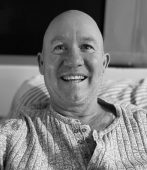
Scott Stalley Realistic Counselling
Counsellor/Therapist, GradDipBA, GradDipMgmt(Learning), AdvDipOHS, DipCouns, DipQA, CertIV TAE
Emotional abuse can be subtle yet deeply damaging, often leaving you doubting your own reality. I help clients recognise manipulation, gaslighting, and control while rebuilding their sense of self.
Together, we work on healing the emotional wounds, strengthening boundaries, and restoring your confidence and inner voice.
5 Years Experience
Online in East Lismore, NSW

Emotional Abuse
Adima Hawkes
Counsellor/Therapist, Psychotherapist, Spiritual Teacher, Gene Keys Guide, Trainer Tibetan Acupressure & Iridology
Emotional abuse has many faces and forms, and these can be especially subtle. Having experienced abuse in various ways myself has motivated me to understand and learn how to self-regulate and transform the obstruction and the freeze. This makes me a useful support to others. I am specialist with narcissistic and psychopathic patterns and the subtleties involved in the constellation of all kinds of relationships, personal or professional.
30 Years Experience
Online in East Lismore, NSW

Emotional Abuse
Mind Health
Psychologist, Psychologists & Allied Health Experts
Experiencing emotional abuse can profoundly impact one's self-esteem and overall well-being. At Mind Health, our compassionate therapists provide confidential support tailored to individuals affected by such experiences. Utilising evidence-based therapies, we aim to help clients rebuild self-confidence, establish healthy boundaries, and foster resilience. Our goal is to create a safe environment where healing and personal growth can flourish.
22 Years Experience
Online in East Lismore, NSW

Emotional Abuse
Michael Elwan
Registered Social Worker, PhD Candidate (Mental Health), MSW, GradCertMH, DipPsych, MBA
Emotional abuse often goes unnamed for a long time, particularly when it sits inside otherwise functional relationships, families, or workplaces. People arrive describing themselves as confused rather than hurt, questioning whether what they have experienced was bad enough to count. The work begins with making sense of what happened, recovering trust in your own perception, and addressing the longer effects on identity, self-worth, and relationships. It is paced to your readiness, not to a treatment timeline.
6 Years Experience
Online in East Lismore, NSW (Online Only)

Emotional Abuse
Dr George Booty. The PsychoTRAUMA Clinic (Convergence College of Psychotherapy)
Registered Psychotherapist, Dr, DPsych, MA Couns, MA Psych, PG Dip Spvn
Emotional Abuse Therapy is used to help many sufferers to get past the Traumas of abuse felt in violence and / or neglect in childhood. There is much to say and do in this area to help.
31 Years Experience
Online in East Lismore, NSW
Emotional Abuse therapists in East Lismore, NSW Statistics
Emotional Abuse therapists in East Lismore, NSW average 14 years of experience and charge around $170 per session. 100% offer online sessions. The top treatment approaches are Cognitive Behavioral Therapy (CBT) (64%), Person-Centered Therapy (Rogerian) (61%), and Interpersonal Therapy (IPT) (57%).
Average years in practice
14 Years Experience
Average cost per session
$170
Accept insurance
54%
Offer sliding scale
57%
Gender ID
| 59% |
Female |
|
| 35% |
Male |
|
| 3% |
Gender Fluid |
|
| 3% |
Non-Binary |
|
Session Type
| 64% |
In Person and Online |
|
| 36% |
Online Only |
|
Top Treatment Approaches
| 64% | Cognitive Behavioral Therapy (CBT) |
| 61% | Person-Centered Therapy (Rogerian) |
| 57% | Interpersonal Therapy (IPT) |
| 54% | Emotionally Focused Therapy (EFT) |
| 46% | Compassion-Focused Therapy (CFT) |
| 46% | Existential / Humanistic Therapy |
| 46% | Solution-Focused Brief Therapy (SFBT) |
Ages Served
| 96% | Adult |
| 79% | Young Adult |
| 64% | Senior |
| 54% | Teen |
| 39% | Children |
Client Focus
| 82% | Women |
| 75% | Men |
| 71% | Persons with Disabilities |
| 61% | LGBTQ+ |
| 54% | Asian |