Eating Disorders therapists in Cortland, NY
Browse Eating Disorders therapists in Cortland, New York. Compare credentials, specialties and therapeutic approach. Contact a therapist to learn more.

Eating Disorders
Tête Therapy
Counselor/Therapist
Healing from an eating disorder involves more than changing behaviors—it’s about rebuilding trust in yourself. Our therapists create a supportive environment where you can explore your relationship with food, body image, and control. We focus on sustainable recovery that nurtures both emotional and physical well-being.
7 Years Experience
Online in Cortland, NY

Eating Disorders
Patricia Petrone
Registered Psychotherapist, LMHC, NCC, CMHIMP, CNC
Are you experiencing food addiction, binge eating disorder, anorexia, or bulimia? Or maybe you feel you just have an unhealthy relationship with food? If you answered "Yes" to any of these questions, I am here to offer you hope for your future. Call me today, and regain your health.
18 Years Experience
Online in Cortland, NY
Eating Disorders
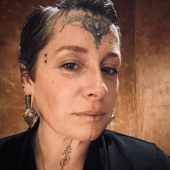
Liberation Therapy
Counselor/Therapist, LMHC
I work with clients struggling with eating disorders, disordered eating, and body dysmorphia from a trauma-informed and relational perspective. Eating disorders are often not just about food—they are often about control, safety, emotional regulation, and self-worth. Rather than focusing only on behavior, we work to understand the emotional and relational roots of the eating disorder while building safer ways to cope, regulate emotions, and relate to your body.
5 Years Experience
Online in Cortland, NY (Online Only)
Eating Disorders
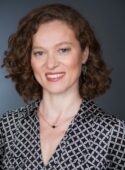
Marina Rozenberg, MD
Therapist, MD
Eating disorders often reflect deeper emotional struggles related to control, identity, self-worth, and early relational dynamics. In psychodynamic psychotherapy, we explore the unconscious meanings and internal conflicts that food, body image, and eating behaviors may represent. This approach will help you understand the emotional functions of your symptoms and uncover the underlying issues driving them. Through insight and a supportive therapeutic relationship, you will begin to develop healthier ways of relating to themselves and their bodies.
10 Years Experience
Online in Cortland, NY

Eating Disorders
Madailein O' Donnell
Licensed Professional Counselor, Licensed Mental Health Counselor
Madailein has experience in providing therapy to patients who have Eating Disorders.
5 Years Experience
Online in Cortland, NY (Online Only)
Eating Disorders therapists in Cortland, NY Statistics
Eating Disorders therapists in Cortland, NY average 15 years of experience and charge around $185 per session. 100% offer online sessions. The top treatment approaches are Cognitive Behavioral Therapy (CBT) (59%), Behavioral Therapy (43%), and Dialectical Behavior Therapy (DBT) (43%).
Average years in practice
15 Years Experience
Average cost per session
$185
Accept insurance
52%
Offer sliding scale
70%
Gender ID
| 61% |
Female |
|
| 25% |
Male |
|
| 9% |
Non-Binary |
|
| 5% |
Gender Fluid |
|
Session Type
| 70% |
In Person and Online |
|
| 30% |
Online Only |
|
Top Treatment Approaches
| 59% | Cognitive Behavioral Therapy (CBT) |
| 43% | Behavioral Therapy |
| 43% | Dialectical Behavior Therapy (DBT) |
| 35% | Family Systems Therapy |
| 35% | Psychodynamic Therapy |
| 30% | Emotionally Focused Therapy (EFT) |
| 30% | Person-Centered Therapy (Rogerian) |
Ages Served
| 100% | Adult |
| 67% | Senior |
| 65% | Young Adult |
| 52% | Teen |
| 41% | Children |
Client Focus
| 70% | Women |
| 54% | LGBTQ+ |
| 52% | Men |
| 46% | Black / African American |
| 41% | Jewish |