Dissociative Disorders therapists in High Point, NC
Browse Dissociative Disorders therapists in High Point, North Carolina. Compare credentials, specialties and therapeutic approach. Contact a therapist to learn more.

Dissociation
Ross Kellogg, LMFT
Marriage and Family Therapist, Licensed Individual, Marriage, and Family Therapist (LMFT)
Dissociative processes can often be hard to put into words and even harder to understand the experiences that lead to the symptoms developing. Through an eclectic approach combining Cognitive Behavioral Therapy, Dialectical Behavioral Therapy, Somatic approaches, and psychodynamic approaches, we can find the relief you are looking for.
12 Years Experience
Online in High Point, NC (Online Only)

Dissociation
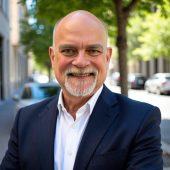
Patricia Tuohy
Counselor/Therapist, M.S. LCMHC Licensed Clinical Mental Health Counselor and EMDR Certified Therapist
The brain has an amazing way of helping us survive despite living through traumatic experiences, especially in early childhood. The challenge comes, as these ways of surviving do not serve us well as we get older and are no longer in danger. We will work together to heal the past and move on in a way that will support your current endeavors, relationships, hopes and dreams.
24 Years Experience
Online in High Point, NC (Online Only)
Dissociation
Montgomery Counseling Group
Licensed Clinical Social Worker, LCSW, LCSWA, LCMHC, LCMHCA
We provide trauma-informed care for clients experiencing dissociation, disconnection, memory gaps, or parts of self that feel difficult to understand. Therapy emphasizes safety, stabilization, grounding, and integration at a manageable pace.
35 Years Experience
Online in High Point, NC

Dissociation
Dr. Jeff J. Rocker
Licensed Mental Health Counselor, PH.D, NCC, LMHC, LCPC, LPC
Rocker Health has experienced and competent staff to deal with these issues.
15 Years Experience
Online in High Point, NC

Dissociation
Dr. Jillian Mahatha
Licensed Mental Health Counselor, Ph.D., LCMHC, NCC, ACS, CCTP
I specialize in supporting children, adolescents, and adults experiencing dissociative disorders. I provide compassionate, individualized care to help clients better understand their experiences, develop grounding and coping strategies, improve emotional regulation, and build a greater sense of safety, connection, and well-being.
14 Years Experience
Online in High Point, NC (Online Only)
Dissociative Disorders therapists in High Point, NC Statistics
Dissociative Disorders therapists in High Point, NC average 18 years of experience and charge around $209 per session. 100% offer online sessions. The top treatment approaches are Cognitive Behavioral Therapy (CBT) (59%), Person-Centered Therapy (Rogerian) (48%), and Existential / Humanistic Therapy (45%).
Average years in practice
18 Years Experience
Average cost per session
$209
Accept insurance
41%
Offer sliding scale
41%
Gender ID
| 55% |
Female |
|
| 45% |
Male |
|
Session Type
| 52% |
In Person and Online |
|
| 48% |
Online Only |
|
Top Treatment Approaches
| 59% | Cognitive Behavioral Therapy (CBT) |
| 48% | Person-Centered Therapy (Rogerian) |
| 45% | Existential / Humanistic Therapy |
| 34% | Emotionally Focused Therapy (EFT) |
| 34% | Internal Family Systems (IFS) |
| 31% | Family Systems Therapy |
| 28% | Behavioral Therapy |
Ages Served
| 100% | Adult |
| 69% | Young Adult |
| 62% | Senior |
| 59% | Teen |
| 38% | Children |
Client Focus
| 62% | Women |
| 55% | Men |
| 45% | LGBTQ+ |
| 45% | Military / Veterans |
| 38% | Persons with Disabilities |