Infertility therapists in Lenoir, NC
Browse Infertility therapists in Lenoir, North Carolina. Compare credentials, specialties and therapeutic approach. Contact a therapist to learn more.
Infertility
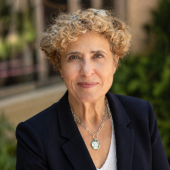
Dr. Amy Hecht
Psychologist, PhD
I work closely with individuals and couples navigating infertility and the many paths to building a family, including adoption and assisted reproduction. These experiences often bring a unique mix of grief, uncertainty, hope, and pressure, and I provide both therapeutic support and practical guidance throughout the process.
In addition to therapy, I offer psychoeducation to help clients better understand and manage the emotional aspects of family building, as well as comprehensive psychological evaluations required for adoption, surrogacy, and donor-related processes. I understand how time-sensitive these steps can be, and—based on both my professional experience and personal understanding—I prioritize these appointments, offering a quick turnaround and minimal wait whenever possible.
My goal is to provide a steady, informed, and compassionate presence during what can be an intensely emotional journey, helping clients move forward with clarity, resilience, and confidence.
26 Years Experience
Online in Lenoir, NC

Infertility
Juliana Sloane
Hypnotherapist, CHT
Through hypnosis for infertility, I help clients release emotional stress, strengthen mind-body awareness, and cultivate inner calm during the fertility process. Hypnotherapy can support both natural conception and medical fertility treatments by reducing anxiety and promoting balance. My online sessions offer a compassionate space to nurture hope, healing, and connection on your path to parenthood.
6 Years Experience
Online in Lenoir, NC (Online Only)

Infertility
Dr. Karina Luaces
Psychologist, PsyD.
Fertility challenges can be an isolating and emotionally exhausting journey. I offer a compassionate space for women and couples processing grief, uncertainty, and the complex emotions that come with infertility, treatment, or the adoption process.
7 Years Experience
Online in Lenoir, NC

Infertility
Ilyssa Swartout
Psychologist, Psy.D.
Infertility and the adoption process can bring overwhelming emotions—grief, hope, frustration, and uncertainty. Therapy provides a supportive, nonjudgmental space to process the emotional ups and downs, strengthen coping strategies, and find meaning through the journey. Whether you’re facing fertility challenges, exploring adoption, or adjusting to life after these transitions, therapy can help you manage stress, nurture your relationships, and care for your emotional well-being.
25 Years Experience
Online in Lenoir, NC (Online Only)

Infertility
Harney & Associates
Psychologist, PhD
Dr. Harney has specific training and experience working with those enduring infertility. She understands the grief, loss, anxiety, and heartbreak that coincide with the process of infertility. Her work is compassionate, collaborative, and allows space for both loss and hope.
13 Years Experience
Online in Lenoir, NC
Infertility therapists in Lenoir, NC Statistics
Infertility therapists in Lenoir, NC average 18 years of experience and charge around $201 per session. 100% offer online sessions. The top treatment approaches are Cognitive Behavioral Therapy (CBT) (74%), Psychodynamic Therapy (49%), and Acceptance & Commitment Therapy (ACT) (42%).
Average years in practice
18 Years Experience
Average cost per session
$201
Accept insurance
43%
Offer sliding scale
40%
Gender ID
| 78% |
Female |
|
| 18% |
Male |
|
| 2% |
Gender Fluid |
|
| 2% |
Non-Binary |
|
Session Type
| 57% |
In Person and Online |
|
| 43% |
Online Only |
|
Top Treatment Approaches
| 74% | Cognitive Behavioral Therapy (CBT) |
| 49% | Psychodynamic Therapy |
| 42% | Acceptance & Commitment Therapy (ACT) |
| 40% | Person-Centered Therapy (Rogerian) |
| 32% | Family Systems Therapy |
| 32% | Solution-Focused Brief Therapy (SFBT) |
| 30% | Existential / Humanistic Therapy |
Ages Served
| 100% | Adult |
| 66% | Young Adult |
| 60% | Senior |
| 53% | Teen |
| 30% | Children |
Client Focus
| 70% | Women |
| 45% | LGBTQ+ |
| 42% | Men |
| 26% | Christian |
| 26% | Jewish |