Trauma and PTSD therapists in Pinehurst, NC
Find experienced trauma and PTSD therapists in Pinehurst, North Carolina who provide testing, evidence-based treatment for trauma, post-traumatic stress disorder, and related challenges such as anxiety, depression, and stress. Compare detailed therapist profiles and connect with a provider that’s right for you.
PTSD/Trauma
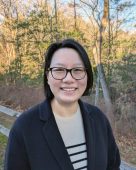
Dr. Yuye Zhang
Psychologist, PhD, MSW
Traumatic experiences can continue to affect how you feel, relate to others, and understand yourself long after the original evens have passed. I work with adults who are experiencing the effects of trauma, including PTSD and complex PTSD (CPTSD), in a supportive and collaborative space. Our work can focus on understanding how past experiences continue to shape the present, reducing self-blame, and developing greater flexibility, self-understanding, and connection with yourself and others.
11 Years Experience
Online in Pinehurst, NC (Online Only)

PTSD/Trauma
Patricia Tuohy
Counselor/Therapist, M.S. LCMHC Licensed Clinical Mental Health Counselor and EMDR Certified Therapist
Trauma can impact our lives and our ability to function if we don't take the time to acknowledge it and work towards healing the past. If we ignore these events in our lives they will begin to come out in ways that we don't want them to, mainly emotional and behavioral ways that are not serving us and making it very difficult to function and have healthy relationships in our lives.
24 Years Experience
Online in Pinehurst, NC (Online Only)

PTSD/Trauma
Robert Brown
Licensed Clinical Social Worker, Licensed Clinical Social Worker
Empathetically offering support for your journey towards healing, I provide specialized counseling for trauma and PTSD. Together, we can explore the impact of your experiences and develop effective strategies for managing symptoms and fostering resilience. My approach is grounded in understanding and tailored to your unique needs, guiding you toward a greater sense of peace and well-being.
34 Years Experience
Online in Pinehurst, NC (Online Only)

PTSD/Trauma
Clear Path Counseling and Wellness Center
Licensed Professional Counselor, MA. LPC
Brad provides trauma-informed counseling for anxiety, depression, trauma, relationship challenges, family issues, and a wide range of related emotional and psychological concerns. These difficulties can significantly impact daily functioning, relationships, self-esteem, work performance, and overall quality of life, often leaving individuals feeling stuck, overwhelmed, or disconnected from themselves and others.
Brad takes a holistic and trauma-focused approach to therapy, integrating evidence-based trauma treatment with a personalized, client-centered framework. Rather than focusing only on symptom management, therapy explores underlying emotional patterns, life experiences, and trauma histories that may be contributing to current distress.
As an experienced trauma therapist and EMDR therapist, Brad integrates EMDR therapy (Eye Movement Desensitization and Reprocessing), trauma-informed counseling, emotional regulation strategies, and holistic therapeutic approaches to support deep and lasting change. Treatment focuses on processing past experiences, reducing emotional reactivity, and helping clients develop healthier, more adaptive ways of thinking, feeling, and relating.
Clients often come to therapy feeling weighed down by anxiety, depression, or unresolved trauma. Brad’s approach helps clients understand how past experiences may still be influencing present-day thoughts, emotions, and behaviors, and works toward resolving these patterns in a structured and supportive way.
Therapy is collaborative and individualized, designed to help clients regain a sense of control, clarity, and emotional stability. The goal is to support meaningful, sustainable change that improves relationships, strengthens resilience, and enhances overall well-being.
Brad also specializes in religious trauma counseling for individuals who have experienced harm in religious or church settings. This may include spiritual abuse, coercion, guilt-based teachings, or other distressing experiences related to organized religion. Therapy provides a safe and non-judgmental space to process these experiences and rebuild a sense of identity, meaning, and emotional safety.
Healing is possible. With the right support, clients can move beyond the impact of trauma and create a more balanced, empowered, and fulfilling life.
28 Years Experience
Online in Pinehurst, NC (Online Only)
PTSD/Trauma
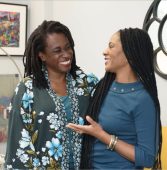
Congruence Counseling Group
Counselor/Therapist, MSW, LCSW, M.Ed. LCMHC, LMFT
Congruence Counseling Group can help individuals heal from trauma and symptoms of Post-Traumatic Stress Disorder by providing a safe and supportive space to process difficult experiences. Through evidence-based approaches, clients can develop coping skills, reduce distressing symptoms, and regain a sense of safety, control, and emotional wellbeing.
20 Years Experience
Online in Pinehurst, NC
Trauma and PTSD therapists in Pinehurst, NC Statistics
Trauma and PTSD therapists in Pinehurst, NC average 15 years of experience and charge around $205 per session. 100% offer online sessions. The top treatment approaches are Cognitive Behavioral Therapy (CBT) (71%), Acceptance & Commitment Therapy (ACT) (40%), and Person-Centered Therapy (Rogerian) (32%).
Average years in practice
15 Years Experience
Average cost per session
$205
Accept insurance
40%
Offer sliding scale
35%
Gender ID
| 66% |
Female |
|
| 29% |
Male |
|
| 3% |
Non-Binary |
|
| 2% |
Gender Fluid |
|
Session Type
| 56% |
In Person and Online |
|
| 44% |
Online Only |
|
Top Treatment Approaches
| 71% | Cognitive Behavioral Therapy (CBT) |
| 40% | Acceptance & Commitment Therapy (ACT) |
| 32% | Person-Centered Therapy (Rogerian) |
| 31% | Psychodynamic Therapy |
| 29% | Emotionally Focused Therapy (EFT) |
| 26% | Dialectical Behavior Therapy (DBT) |
| 26% | Existential / Humanistic Therapy |
Ages Served
| 99% | Adult |
| 69% | Young Adult |
| 50% | Senior |
| 38% | Teen |
| 16% | Children |
Client Focus
| 55% | Women |
| 42% | LGBTQ+ |
| 40% | Men |
| 31% | Military / Veterans |
| 23% | Black / African American |