Trauma and PTSD therapists in Blantyre, Scotland
Find experienced trauma and PTSD therapists in Blantyre, Scotland, United Kingdom who provide testing, evidence-based treatment for trauma, post-traumatic stress disorder, and related challenges such as anxiety, depression, and stress. Compare detailed therapist profiles and connect with a provider that’s right for you.

PTSD/Trauma
Beth Jackson Counselling and Coaching
Counsellor/Therapist, BA (hons), Diploma in Therapeutic Counselling, Diploma in Clinical Supervision
Trauma and PTSD have a way of reappearing at different times when we least expect or want it. It can feel like pushing a cork under water. Perhaps you have hidden your experience(s) so far down that no one around you even suspects. As a REWIND therapist I can work on this with you. REWIND does not use long sessions of revisiting past trauma or phobias. It is a quick and effective method using guided imagery and I have seen it transform lives of clients that I have worked with. Please contact me to find out more.
7 Years Experience
Online in Blantyre, Scotland

PTSD/Trauma
Rachel Bates
Registered Psychotherapist, M Phil - Counselling & Psychotherapy; M A Psychology
Emotional and psychological trauma can be the outcome of extraordinarily stressful events that involve a threat to life or safety. This can shatter one's sense of security, a feeling of being overwhelmed and isolated even if it does not involve physical harm. It is not the objective circumstances that determine whether an event is traumatic but the subjective emotional experience of it. Post-traumatic Stress is the stress that follows a traumatic event either during the first month after the event or even after a few months after the event. When the individual re-experiences or relives the traumatic event in the form of flashbacks, nightmares, repetitive and distressing images or sensations, sometimes involving bodily reactions such as sweating, pain, feeling sick or trembling, it can result with excessive guilt and/or shame. The psychological distress affects the physiological functions and this then becomes a vicious cycle.
21 Years Experience
Online in Blantyre, Scotland
PTSD/Trauma
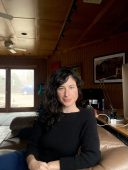
Marisa Berwald
Licensed Clinical Social Worker, LCSW, PhD
I am a psychoanalyst and licensed clinical social worker, with over 15 years of experience and training in psychodynamic/psychoanalytic approaches to talk therapy. In my practice, I work with people across age groups, with families, couples, and children, with the goal of discovering the desires, dreams, needs that lie behind the more difficult aspects of life. I have two New York City based office locations, making it easy to find a place thats right for you. I work on a sliding scale fee basis and with insurance.
14 Years Experience
Online in Blantyre, Scotland
PTSD/Trauma
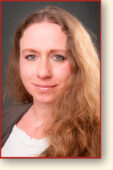
Dr. Birte Nachtwey
Registered Psychotherapist, MD, CORST
Trauma and PTSD are more common than many people think. Terrifying events like accidents or war can cause this. Sexual or emotional abuse are a common causes. It can be a single event or something ongoing over many years to the point that is feels like a normality in which you are trapped. Many victims feel guilt and shame. Some memories are completely blanked out by the brain for many years and come back suddenly, triggered by something, or slowly, sometimes in caareful therapy. Symptoms can be dissociation (part of you goes away), flashbacks (intrusive memories),repeated nightmares, numbness and/or increased anxiety, avoidance (f.ex. of sex, relationships), negative thoughts and moods and altered physical and emotional reactions and behavior..
If you have encountered this and think you may be affected please get help. It is understandable that you don’t feel like dealing with it and want to just push it aside and have nothing to do with it ever again, but if this hasn’t worked too well and it burdens areas of your life like your sex life and your relationship, it is advisable to address this in therapy. You can get help and heal.
19 Years Experience
Online in Blantyre, Scotland

PTSD/Trauma
Chris Chicoteau
Counsellor/Therapist, Master of Counselling, IFS Level 2
Gain clarity about how trauma impacts your life and move towards addressing it.
16 Years Experience
Online in Blantyre, Scotland
Trauma and PTSD therapists in Blantyre, Scotland Statistics
Trauma and PTSD therapists in Blantyre, Scotland average 14 years of experience and charge around ¤135 per session. 100% offer online sessions. The top treatment approaches are Integrative Therapy (55%), Cognitive Behavioral Therapy (CBT) (51%), and Person-Centered Therapy (Rogerian) (49%).
Average years in practice
14 Years Experience
Average cost per session
¤135
Accept insurance
37%
Offer sliding scale
47%
Gender ID
| 68% |
Female |
|
| 28% |
Male |
|
| 2% |
Gender Fluid |
|
| 2% |
Non-Binary |
|
Session Type
| 66% |
In Person and Online |
|
| 34% |
Online Only |
|
Top Treatment Approaches
| 55% | Integrative Therapy |
| 51% | Cognitive Behavioral Therapy (CBT) |
| 49% | Person-Centered Therapy (Rogerian) |
| 39% | Somatic Therapy |
| 31% | Behavioral Therapy |
| 31% | Existential / Humanistic Therapy |
| 30% | Solution-Focused Brief Therapy (SFBT) |
Ages Served
| 99% | Adult |
| 65% | Young Adult |
| 54% | Senior |
| 53% | Teen |
| 22% | Children |
Client Focus
| 66% | Women |
| 51% | Men |
| 48% | LGBTQ+ |
| 35% | Persons with Disabilities |
| 33% | Christian |