Dissociative Disorders therapists in Charleston, SC
Browse Dissociative Disorders therapists in Charleston, South Carolina. Compare credentials, specialties and therapeutic approach. Contact a therapist to learn more.
Dissociation
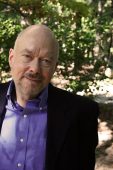
James C. Carpenter, PhD, ABPP
Psychologist, PhD (Clinical Psychology, Ohio State U), Board Certified in Clinical Psychology (ABPP), PSYPACT
I have had the privilege of long, deep work with many highly dissociative people. I have always found work on early adjustments to trauma to be freeing and empowering. This requires formation of a durable, powerful therapeutic alliance in which experiences previously too distressing or terrifying can be assimilated in new ways.
41 Years Experience
Online in Charleston, SC
Dissociation
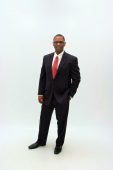
Dr. Christopher Lowery, DHSc, CLCP
Clinical Health Practitioner, Board-Certified Life Care Planner
This component assist with supporting integration, emotional regulation, coping strategies, and the development of safety and stability in daily life.
24 Years Experience
Online in Charleston, SC
Dissociation
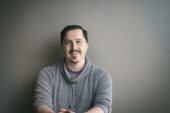
Allen Wood
Psychologist, Psy.D.
Dissociation often goes hand-in-hand with stress, trauma, and other forms of emotional overwhelm. While the spectrum of dissociation ranges from zoning out to complete shut-down, it can create invisible barriers between you and your goals. If you're feeling stuck, confused about why your best efforts in life aren't as satisfying, or have tried therapy without success then don't hesitate to reach out. In working together, we would use EMDR and Internal Family Systems interventions to identify the areas where you're finding those barriers and build the resources, skills, and regulation to be able to achieve those goals without losing yourself along the way.
8 Years Experience
Online in Charleston, SC (Online Only)
Dissociation
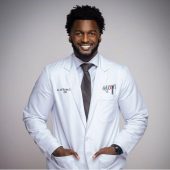
Dr. Jeff J. Rocker
Licensed Mental Health Counselor, PH.D, NCC, LMHC, LCPC, LPC
Rocker Health has experienced and competent staff to deal with these issues.
15 Years Experience
Online in Charleston, SC
Dissociation
Dr. Mitchell Roth
Licensed Mental Health Counselor, JD, PsyD, LMHC
Dissociative disorders result from adaptation to emotionally or physically painful circumstances beyond the control of the patient. Finding and resolving the feelings avoided through dissociation restores the availability of normal feelings. Internal family therapy treatment is particularly helpful in this area.
16 Years Experience
Online in Charleston, SC (Online Only)
Dissociative Disorders therapists in Charleston, SC Statistics
Dissociative Disorders therapists in Charleston, SC average 18 years of experience and charge around $215 per session. 100% offer online sessions. The top treatment approaches are Cognitive Behavioral Therapy (CBT) (60%), Existential / Humanistic Therapy (52%), and Person-Centered Therapy (Rogerian) (52%).
Average years in practice
18 Years Experience
Average cost per session
$215
Accept insurance
44%
Offer sliding scale
32%
Gender ID
| 49% |
Male |
|
| 45% |
Female |
|
| 3% |
Gender Fluid |
|
| 3% |
Non-Binary |
|
Session Type
| 56% |
In Person and Online |
|
| 44% |
Online Only |
|
Top Treatment Approaches
| 60% | Cognitive Behavioral Therapy (CBT) |
| 52% | Existential / Humanistic Therapy |
| 52% | Person-Centered Therapy (Rogerian) |
| 40% | Internal Family Systems (IFS) |
| 40% | Psychoeducational Therapy |
| 36% | Emotionally Focused Therapy (EFT) |
| 36% | Interpersonal Therapy (IPT) |
Ages Served
| 100% | Adult |
| 64% | Young Adult |
| 60% | Senior |
| 60% | Teen |
| 32% | Children |
Client Focus
| 60% | Men |
| 60% | Women |
| 48% | Military / Veterans |
| 44% | LGBTQ+ |
| 40% | Christian |