Dissociative Disorders therapists in Washington, UT
Browse Dissociative Disorders therapists in Washington, Utah. Compare credentials, specialties and therapeutic approach. Contact a therapist to learn more.
View nearby cities

Dissociation
Danielle Thurman (Roots and Wings Family Therapy)
Marriage and Family Therapist, Licensed Marriage and Family Therapist
If you are struggling with disassociation, your brain most likely needed to do this to help you to survive. We have the skills to help you to learn to break this brain pathway and update your mind to show it that disassociation is no longer needed. We will then teach you how to self soothe so that you will be able to maintain this new brain pathway.
8 Years Experience
Online in Washington, UT
Dissociation
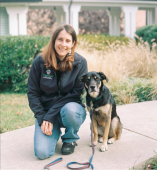
Paws2Heal Mental Health Counseling Services
Licensed Professional Counselor, PhD, LPC
Dissociation is often a protective response to overwhelming experiences. Through careful, trauma-informed treatment, we work to increase safety, integration, and connection with yourself.
8 Years Experience
Online in Washington, UT

Dissociation
Ilyssa Swartout
Psychologist, Psy.D.
Dissociation can feel like being disconnected from yourself, your emotions, or the world around you. You may lose time, feel detached, or struggle to stay present. Therapy can help you safely reconnect with your thoughts and feelings, understand your inner experiences, and restore a sense of grounding and wholeness. Through gentle, trauma-informed approaches such as EMDR, DNMS, and Brainspotting, we’ll work to heal the parts of you that learned to separate as a form of protection—helping you feel more integrated, secure, and in control of your life.
25 Years Experience
Online in Washington, UT (Online Only)

Dissociation
Mary Knoblock, DNH
Hypnotherapist, DNH, RTT Practitioner, Hypnotist, Holistic Naturopath Practitioner, Spiritual Counselor
We can work through your dissociated disorders with different tools. Clients have found the emotion code, and RTT to be very helpful in managing their dissociative disorders.
11 Years Experience
Online in Washington, UT (Online Only)

Dissociation
Therapy Solutions, LLC
Psychologist
Dr. Sanness has training and expertise in complex trauma and dissociation. She works with individuals with PTSD, and comorbid dissociative disorders. Dr. Sanness uses a stage-approach to trauma treatment and teaches practical skills to help cope with dissociation such as grounding, containment, etc.
24 Years Experience
Online in Washington, UT
Dissociative Disorders therapists in Washington, UT Statistics
Dissociative Disorders therapists in Washington, UT average 18 years of experience and charge around $218 per session. 100% offer online sessions. The top treatment approaches are Cognitive Behavioral Therapy (CBT) (58%), Existential / Humanistic Therapy (54%), and Person-Centered Therapy (Rogerian) (54%).
Average years in practice
18 Years Experience
Average cost per session
$218
Accept insurance
38%
Offer sliding scale
38%
Gender ID
| 56% |
Female |
|
| 44% |
Male |
|
Session Type
| 62% |
In Person and Online |
|
| 38% |
Online Only |
|
Top Treatment Approaches
| 58% | Cognitive Behavioral Therapy (CBT) |
| 54% | Existential / Humanistic Therapy |
| 54% | Person-Centered Therapy (Rogerian) |
| 46% | Internal Family Systems (IFS) |
| 38% | Emotionally Focused Therapy (EFT) |
| 33% | Experiential Therapy |
| 33% | Psychodynamic Therapy |
Ages Served
| 100% | Adult |
| 67% | Young Adult |
| 54% | Senior |
| 54% | Teen |
| 29% | Children |
Client Focus
| 58% | Men |
| 54% | Women |
| 46% | LGBTQ+ |
| 42% | Military / Veterans |
| 33% | Christian |