Social Isolation therapists in Harrisonburg, Virginia VA
We are proud to feature top rated Social Isolation therapists in Harrisonburg. We encourage you to review each profile to find your best match.

Social Isolation
Dr. Jeannine Pablo
Psychologist, LP, LCMHC, MLADC
Prolonged social isolation can deeply impact emotional regulation, cognitive well-being, and overall quality of life. Utilizing evidence-based Cognitive Behavioral Therapy (CBT) and behavioral activation frameworks, I help individuals identify and dismantle the cognitive distortions—such as fear of rejection or hypervigilance to social threats—that maintain isolation loops. Our clinical work focuses on safely rebuilding social stamina, overcoming loneliness, and establishing structured, meaningful avenues for community reintegration.
23 Years Experience
Online in Harrisonburg, VA Virginia (Online Only)
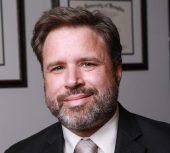
Social Isolation
Jason Holland
Psychologist, Ph.D.
Social isolation can happen slowly, especially after loss, stress, depression, anxiety, or a major change. We can explore what pulled you away and what makes connection feel difficult now. The goal is to rebuild support in a way that feels manageable and authentic, without forcing change faster than it can realistically happen.
25 Years Experience
Online in Harrisonburg, VA Virginia

Social Isolation
Dr. Brian Sharpless
Psychologist, Ph.D., Clinical Psychology; M.A., Philosophy
Social isolation can occur for a number of reasons with effects on people ranging from distressing to crippling. Following a thorough assessment, I apply one of several contemporary forms of psychodynamic or cognitive-behavior therapy to help people become more engaged with others.
19 Years Experience
Online in Harrisonburg, VA Virginia

Social Isolation
Grace in the Shadows
Licensed Professional Counselor, PhD, MDiv, MA, NCMHC, ALMHC, VALMHC, SCMHC, FLMHC, KYMHC, IDMHC
I address social isolation with a compassionate and faith-centered approach, integrating psychological insights with Christian principles to guide individuals toward connection and community. Recognizing the emotional and spiritual impact of social isolation, I create a supportive environment that incorporates prayer, scriptural reflection, and discussions on the importance of fellowship. Encouraging individuals to draw strength from their faith, I collaborate to explore the root causes of social isolation and develop strategies for building meaningful connections. This may involve integrating into church or faith communities and fostering a sense of belonging. By emphasizing Christian values such as love, compassion, and community, I aim to empower individuals to overcome social isolation, cultivate relationships, and experience the transformative power of connection within the context of their Christian beliefs.
11 Years Experience
Online in Harrisonburg, VA Virginia (Online Only)

Social Isolation
MySpectrum Counseling & Coaching
Therapist, LCSW, LPC, CSAC, NCC
Social isolation is a significant issue for most of us during the COVID-19 pandemic. MySpectrum will work with you to find connections, or perhaps serve as a connection, during this time. If you are generally feeling socially isolated despite the current pandemic, we can also help you through this. Our Teletherapy service is available and ready to offer flexible scheduling and help you at perhaps some of the most isolating times. Give us a call to get started: 804-924-2236 or visits our website to learn more: www.myspectrumcc.com
20 Years Experience
Online in Harrisonburg, VA Virginia
Social Isolation therapists in Harrisonburg, Virginia Statistics
Social Isolation therapists in Harrisonburg, Virginia average 16 years of experience and charge around $207 per session. 100% offer online sessions. The top treatment approaches are Cognitive Behavioral Therapy (CBT) (73%), Acceptance & Commitment Therapy (ACT) (46%), and Solution-Focused Brief Therapy (SFBT) (45%).
Average years in practice
16 Years Experience
Average cost per session
$207
Accept insurance
45%
Offer sliding scale
41%
Gender ID
| 57% |
Female |
|
| 36% |
Male |
|
| 4% |
Non-Binary |
|
| 3% |
Gender Fluid |
|
Session Type
| 64% |
In Person and Online |
|
| 36% |
Online Only |
|
Top Treatment Approaches
| 73% | Cognitive Behavioral Therapy (CBT) |
| 46% | Acceptance & Commitment Therapy (ACT) |
| 45% | Solution-Focused Brief Therapy (SFBT) |
| 45% | Person-Centered Therapy (Rogerian) |
| 43% | Existential / Humanistic Therapy |
| 43% | Behavioral Therapy |
| 39% | Psychodynamic Therapy |
Ages Served
| 100% | Adult |
| 80% | Young Adult |
| 55% | Senior |
| 48% | Teen |
| 29% | Children |
Client Focus
| 61% | Women |
| 55% | Men |
| 46% | LGBTQ+ |
| 45% | Military / Veterans |
| 43% | Persons with Disabilities |