Trauma and PTSD therapists in Ystalyfera, Wales
Find experienced trauma and PTSD therapists in Ystalyfera, Wales, United Kingdom who provide testing, evidence-based treatment for trauma, post-traumatic stress disorder, and related challenges such as anxiety, depression, and stress. Compare detailed therapist profiles and connect with a provider that’s right for you.
View nearby cities

PTSD/Trauma
Kyle Davies
Psychologist, BSc MPhil CPsychol AFBPsS
Trauma is the buzzword is the therapeutic world at the moment, and about time too. Trauma research has shown that trauma in early life can contribute to a host of mental and physical health challenges throughout our lives and needs
I adapt a somatic, psych-spiritual approach to trauma rather than a cognitive approach. We heal trauma through the body, by reconnecting with the body and learning to feel safe with our feelings and emotions.
27 Years Experience
In-Person Near Ystalyfera, Wales
Online in Ystalyfera, Wales

PTSD/Trauma
The Art of Rest
Life Coach, M.S. Psychology
Dagny is trained as a research psychologist who spent four years studying the biomedical markers of sleep, mindfulness, and self-compassion —all from the lens of the stress-response and nervous system lens. In this training, Trauma and PTSD are two major compenets Dagny is passionate about. Additionally, Dagny understands the ins and outs of what trauma and PTSD do to the human experience and finds a compassionate way forward. When addressing trauma and PTSD Dagny helps teach and guide on how stress impacts our body, and what to do when things like sleep become elusive, social problems become larger, and anxiety or depression creep in the backdoor. Her tactics range from state-of-the-art stress science that helps pull out different elements of stress-health as well as dives into contemplative practices like dreamwork and behavioral routines around stress and sleep-related anxiety. She is highly successful at helping folks find a restful night and restful life, regardless of how long it's been since they've had one.
6 Years Experience
Online in Ystalyfera, Wales

PTSD/Trauma
Shareen Birges
Registered Social Worker, BASS, GDYMH, MSW
I have an extensive background in trauma through my work with young people & adults around sexual abuse/assault, domestic violence & childhood trauma/neglect. My trauma informed practice gives me the basis for understanding & supporting people through trauma. My experience has helped me to understand that trauma is a very unique & individualized experience. For some people, trauma can appear small or unimportant (like a car accident) however to me, all trauma is experienced by the individual as traumatic for them, so whether it is perceived by others as small or unimportant it is important, & valid, for the person for whom the experience was traumatic. I have found that this understanding has been vital in my trauma work & has helped me to support people with all types of trauma. Building the therapeutic relationship, again, is important in this work to create a collaborative, safe & comfortable environment for my clients to share & heal.
18 Years Experience
Online in Ystalyfera, Wales

PTSD/Trauma
Anna Brooker
Therapist, Advanced Level 3 BWRT Therapist, Award Winning Women's Health Coach, Life Coach
Trauma and PTSD can leave your mind and body reacting as if the danger is still happening, through flashbacks, hypervigilance, panic, disturbed sleep or feeling constantly on edge. One of the things clients value most about BWRT® is that you don't need to relive what happened or describe it in detail. We work with the automatic responses the experience has left behind, so you remain in control throughout. I offer a free 15-minute consultation. Send me a message using the enquiry form and I'll get back to you. As a certified health coach, I can also support the physical toll of long-term hypervigilance, such as poor sleep and exhaustion. I work alongside your GP or other mental health services where appropriate. Book a free 15 minute consultation so we can talk about whether BWRT is right for you.
6 Years Experience
Online in Ystalyfera, Wales
PTSD/Trauma
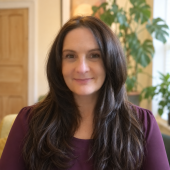
Samantha Coleman
Therapist, MBACP Prof Dip
Trauma can affect how you feel in your body, how safe the world seems, how you relate to other people, and how you see yourself. You may experience flashbacks, anxiety, emotional overwhelm, numbness, hypervigilance, shame, or patterns that feel hard to control or explain. My approach is trauma-informed, gentle, and grounded in helping you feel safe enough to explore things at your own pace. I am interested not only in what happened to you, but in how those experiences have shaped your inner world, your relationships, and the patterns that may still be affecting your life now.
13 Years Experience
Online in Ystalyfera, Wales
Trauma and PTSD therapists in Ystalyfera, Wales Statistics
Trauma and PTSD therapists in Ystalyfera, Wales average 14 years of experience and charge around ¤135 per session. 100% offer online sessions. The top treatment approaches are Integrative Therapy (55%), Cognitive Behavioral Therapy (CBT) (51%), and Person-Centered Therapy (Rogerian) (49%).
Average years in practice
14 Years Experience
Average cost per session
¤135
Accept insurance
37%
Offer sliding scale
47%
Gender ID
| 68% |
Female |
|
| 28% |
Male |
|
| 2% |
Gender Fluid |
|
| 2% |
Non-Binary |
|
Session Type
| 66% |
In Person and Online |
|
| 34% |
Online Only |
|
Top Treatment Approaches
| 55% | Integrative Therapy |
| 51% | Cognitive Behavioral Therapy (CBT) |
| 49% | Person-Centered Therapy (Rogerian) |
| 39% | Somatic Therapy |
| 31% | Behavioral Therapy |
| 31% | Existential / Humanistic Therapy |
| 30% | Solution-Focused Brief Therapy (SFBT) |
Ages Served
| 99% | Adult |
| 65% | Young Adult |
| 54% | Senior |
| 53% | Teen |
| 22% | Children |
Client Focus
| 66% | Women |
| 51% | Men |
| 48% | LGBTQ+ |
| 35% | Persons with Disabilities |
| 33% | Christian |