Men’s Issues therapists in Clarkston, WA
Browse Men’s Issues therapists in Clarkston, Washington. Compare credentials, specialties and therapeutic approach. Contact a therapist to learn more.

Men's Issues
Bobby Newell
Licensed Clinical Social Worker, LCSW, SEP
I specialize in working with men who are navigating stress, pressure, relationships, and the expectation to “hold it all together.” Many men have learned to push through, shut things down, or handle challenges on their own—but that often leads to burnout, frustration, or feeling disconnected. My approach is straightforward and practical, focused on helping you better understand your reactions, manage stress, communicate more effectively, and feel more in control of your life. This is a space where you don’t have to have all the answers—you just have to be willing to show up and start.
27 Years Experience
Online in Clarkston, WA

Men's Issues
Ryan Shannon
Counselor/Therapist, LMHCA, MA, MS
Many men learn to keep difficult emotions to themselves, solve problems alone, and appear fine even when they feel deeply lonely, insecure, overwhelmed, or disconnected. You may have people around you but still feel that nobody truly knows you. You may struggle to form close friendships, communicate openly in relationships, cope with rejection, or feel confident in who you are.
I work with straight, gay, and bisexual men navigating loneliness, dating and relationship difficulties, sexual identity, anxiety, trauma, self-esteem, career stress, and major life transitions. Therapy offers a private place to speak honestly without needing to perform, minimize what you feel, or have everything figured out.
Together, we can explore the experiences and beliefs shaping your current patterns while also taking practical steps toward change. My goal is to help you become more secure in yourself, more comfortable with vulnerability, and better able to build the close, lasting relationships and meaningful life you want.
1 Years Experience
Online in Clarkston, WA (Online Only)
Men's Issues
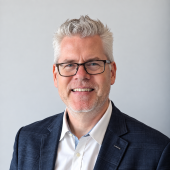
Gary Ashley
Therapist, LMHCA, Licensed Mental Health Counselor Associate
Men often carry pressure around work, relationships, responsibility, identity, or expectations about how they should handle stress. I work with men who may be dealing with anxiety, depression, self-doubt, relationship strain, anger, or major life changes. Our work may focus on understanding what is underneath those pressures, noticing patterns that are no longer helping, and developing more direct, workable ways to respond.
3 Years Experience
Online in Clarkston, WA

Men's Issues
Philadelphia Couples Therapy
Psychologist, PsyD
In many societies and cultures, men have been conditioned to believe that voicing or showing their emotions equates to a lack of control or power. In other words, men have come to expect that when they authentically display their emotions, they must be weak or something must be “wrong.” Largely, this is due to very real social pressures and repercussions where boys, teens, and adult men are shamed by being bullied, targeted, or physically hurt. As such, these instances can lead to some men feeling as though they are less masculline or are not fulfilling their expected gender role. Therefore, it is crucial to understand that the way men operate is inherently different from women, not because of their gender, but because their behaviors are a byproduct of a system that has reinforced oftentimes ineffective and/or damaging strategies of emotional display to combat real or imagined shame (i.e., physical violence, aggression, name-calling, shutting down, etc.). Instead, what we hope to provide at PCT is a new space in which men are able to safely explore themselves without fear of judgment. Thus, leading to the understanding that a man’s emotional responses to internal and external experiences are a human process, not one that is solely based on gender or gender role expectations.
More often than not, when men enter therapy, much of the work centers around learning how and why they learned to cope with difficult thoughts, emotions, and behaviors. Most importantly, though, men are given a space to authentically “be” in a way that society does not always permit. They are able to speak without fear of judgment and think with a renowned sense of emotional awareness. It is this process that ultimately brings men the most fulfillment in their relationships. When we teach men that they are allowed to feel and communicate the emotions that are inherent to every human being, we give them the tools to see a world that they did not previously have access to. In other words, therapy gives men the permission to be the fullest version of themselves for themselves and for those around them.
23 Years Experience
Online in Clarkston, WA

Men's Issues
Dr. Jeffrey Kehoe
Counselor/Therapist, ND, L.Ac, BCB, FABORM
I am an advocate for breaking down the barriers that prevent people from asking for help. Traditionally, this seems more problematic for men (which could relate to biological sex, gender identity, and/or gender expression). By establishing safety first, it allows for more open and honest communication especially when talking about mental health and sexual dysfunction.
6 Years Experience
Online in Clarkston, WA
Men’s Issues therapists in Clarkston, WA Statistics
Men’s Issues therapists in Clarkston, WA average 15 years of experience and charge around $214 per session. 100% offer online sessions. The top treatment approaches are Cognitive Behavioral Therapy (CBT) (63%), Person-Centered Therapy (Rogerian) (37%), and Acceptance & Commitment Therapy (ACT) (36%).
Average years in practice
15 Years Experience
Average cost per session
$214
Accept insurance
43%
Offer sliding scale
33%
Gender ID
| 63% |
Male |
|
| 33% |
Female |
|
| 2% |
Gender Fluid |
|
| 2% |
Non-Binary |
|
Session Type
| 56% |
In Person and Online |
|
| 44% |
Online Only |
|
Top Treatment Approaches
| 63% | Cognitive Behavioral Therapy (CBT) |
| 37% | Person-Centered Therapy (Rogerian) |
| 36% | Acceptance & Commitment Therapy (ACT) |
| 36% | Existential / Humanistic Therapy |
| 33% | Emotionally Focused Therapy (EFT) |
| 31% | Integrative Therapy |
| 31% | Psychodynamic Therapy |
Ages Served
| 100% | Adult |
| 67% | Young Adult |
| 57% | Senior |
| 37% | Teen |
| 14% | Children |
Client Focus
| 69% | Men |
| 51% | LGBTQ+ |
| 49% | Women |
| 33% | Military / Veterans |
| 29% | Hispanic / Latino |