Schizophrenia therapists in Seattle, WA
Browse Schizophrenia therapists in Seattle, Washington. Compare credentials, specialties and therapeutic approach. Contact a therapist to learn more.
Schizophrenia
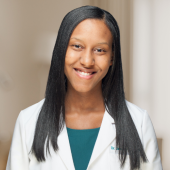
Dr. Janelle Louis
Psychiatric Nurse Practitioner, ND, PMHNP-BC
If you're living with schizophrenia, I can help provide you with structured, supportive care. In our sessions, we'll focus on holistic and functional approaches to help you achieve stability. We'll also build routines, engage in thoughtful medication management and psychotherapy, and work toward improving emotional wellbeing. We'll also include your family if it's appropriate in order to create a strong support network.
10 Years Experience
Online in Seattle, WA (Online Only)

Schizophrenia
Humanistic Therapy NW
Therapist, LCSW, LICSW, ACSW, CSWA
We support individuals living with schizophrenia using Dialectical Behavior Therapy for Psychosis (DBTp) to build coping skills, emotional regulation, and stability. Therapy is paired with coordinated case management to help clients connect with psychiatry, medical care, and community supports, creating a collaborative treatment team focused on long-term wellness.
17 Years Experience
Online in Seattle, WA (Online Only)

Schizophrenia
Avanour Behavioral Health Clinics PLLC
Psychologist, PsyD, LMHC, LMHCA. LSAW. LSW
Avanour provides compassionate, recovery-oriented support for individuals living with schizophrenia and related psychotic disorders. Our clinicians help clients manage symptoms, strengthen coping and daily-living skills, improve relationships, and work toward greater stability and independence. Care may include therapy, medication evaluation and management, family support, and coordination with other healthcare professionals to provide individualized, comprehensive treatment.
0 Years Experience
Online in Seattle, WA (Online Only)

Schizophrenia
Dr. Trey Cole
Psychologist, Psy.D., ABPP, DAAETS
I support individuals with schizophrenia by helping them manage symptoms, improve functioning, and enhance quality of life. Together, we develop coping strategies, routines, and emotional regulation skills to navigate daily challenges. My approach emphasizes understanding, resilience, and building a supportive environment for growth and stability.
19 Years Experience
Online in Seattle, WA

Schizophrenia
Dr. Christopher Lowery, DHSc, CLCP
Clinical Health Practitioner, Board-Certified Life Care Planner
This component assist with supporting symptom management, emotional regulation, coping strategies, and skills to enhance daily functioning and overall quality of life.
24 Years Experience
Online in Seattle, WA
Schizophrenia therapists in Seattle, WA Statistics
Schizophrenia therapists in Seattle, WA average 16 years of experience and charge around $226 per session. 100% offer online sessions. The top treatment approaches are Cognitive Behavioral Therapy (CBT) (80%), Existential / Humanistic Therapy (50%), and Acceptance & Commitment Therapy (ACT) (40%).
Average years in practice
16 Years Experience
Average cost per session
$226
Accept insurance
60%
Offer sliding scale
20%
Gender ID
| 45% |
Male |
|
| 33% |
Female |
|
| 11% |
Gender Fluid |
|
| 11% |
Non-Binary |
|
Session Type
| 60% |
In Person and Online |
|
| 40% |
Online Only |
|
Top Treatment Approaches
| 80% | Cognitive Behavioral Therapy (CBT) |
| 50% | Existential / Humanistic Therapy |
| 40% | Acceptance & Commitment Therapy (ACT) |
| 40% | Interpersonal Therapy (IPT) |
| 40% | Motivational Interviewing (MI) |
| 40% | Psychodynamic Therapy |
| 30% | Behavioral Therapy |
Ages Served
| 100% | Adult |
| 70% | Senior |
| 70% | Young Adult |
| 20% | Teen |
| 10% | Children |
Client Focus
| 50% | Men |
| 50% | Persons with Disabilities |
| 40% | Christian |
| 40% | LGBTQ+ |
| 40% | Military / Veterans |