Schizophrenia therapists in Lost Creek, WV
Browse Schizophrenia therapists in Lost Creek, West Virginia. Compare credentials, specialties and therapeutic approach. Contact a therapist to learn more.
Schizophrenia
Three Oaks Behavioral Health & Wellness
Licensed Clinical Social Worker, LCSW, LCMHC, LCAS
Supporting individuals in managing symptoms and improving daily functioning and quality of life.
7 Years Experience
Online in Lost Creek, WV
Schizophrenia
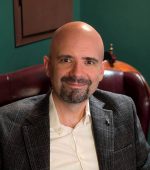
Dr. Brian Sharpless
Psychologist, Ph.D., Clinical Psychology; M.A., Philosophy
Schizophrenia and other psychotic disorders can have profound effects on peoples' lives. However, therapy can be a very helpful addition to medication and other treatments. I have experience treating psychotic disorders using Psychodynamically-Oriented Supportive Therapy (POST) and other approaches. I have also published professional works on both hallucinations and delusions. Please note that I only do individual therapy (i.e., not couple's or family therapy).
19 Years Experience
Online in Lost Creek, WV

Schizophrenia
Jacqueline Elster
Psychologist, PsyD, HSPP, LP
Having a background in substance use disorders and working at the VA means I have a great deal of experience working with individuals psychotic disorders. If you have schizophrenia or another psychotic disorder I will work with you to challenge and manage delusional thoughts and hallucinations to improve your ability to function in daily life. We will work together to find ways to manage hallucinations and delusions without letting these experiences dominate your life.
16 Years Experience
Online in Lost Creek, WV (Online Only)

Schizophrenia
Siddharth Arora
Psychiatrist, DO, MS
Managing schizophrenia requires consistent, skillful use of antipsychotic medication and integrated care. Our practice specializes in long-term medication management for schizophrenia and schizoaffective disorders, helping patients stabilize symptoms such as hallucinations, delusions, and disorganized thinking. We work closely with families, case managers, and therapy providers to support holistic care, improve adherence, and reduce hospitalizations.
10 Years Experience
Online in Lost Creek, WV

Schizophrenia
Dr. Trey Cole
Psychologist, Psy.D., ABPP, DAAETS
I support individuals with schizophrenia by helping them manage symptoms, improve functioning, and enhance quality of life. Together, we develop coping strategies, routines, and emotional regulation skills to navigate daily challenges. My approach emphasizes understanding, resilience, and building a supportive environment for growth and stability.
19 Years Experience
Online in Lost Creek, WV
Schizophrenia therapists in Lost Creek, WV Statistics
Schizophrenia therapists in Lost Creek, WV average 17 years of experience and charge around $242 per session. 100% offer online sessions. The top treatment approaches are Cognitive Behavioral Therapy (CBT) (75%), Interpersonal Therapy (IPT) (50%), and Relational Psychotherapy (50%).
Average years in practice
17 Years Experience
Average cost per session
$242
Accept insurance
63%
Offer sliding scale
13%
Gender ID
| 53% |
Male |
|
| 31% |
Female |
|
| 8% |
Gender Fluid |
|
| 8% |
Non-Binary |
|
Session Type
| 87% |
In Person and Online |
|
| 13% |
Online Only |
|
Top Treatment Approaches
| 75% | Cognitive Behavioral Therapy (CBT) |
| 50% | Interpersonal Therapy (IPT) |
| 50% | Relational Psychotherapy |
| 38% | Acceptance & Commitment Therapy (ACT) |
| 38% | Behavioral Therapy |
| 38% | Emotionally Focused Therapy (EFT) |
| 38% | Existential / Humanistic Therapy |
Ages Served
| 100% | Adult |
| 63% | Senior |
| 63% | Young Adult |
| 25% | Teen |
| 13% | Children |
Client Focus
| 50% | Men |
| 50% | Military / Veterans |
| 50% | Persons with Disabilities |
| 38% | Christian |
| 38% | LGBTQ+ |