Online Psychosocial therapists in New Mexico
We are proud to feature top rated online Psychosocial therapists in New Mexico. We encourage you to review each profile to find your best match.
992">
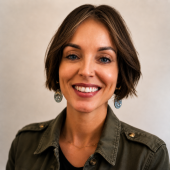
Marylouise Kuti with MKB Therapy
Licensed Clinical Social Worker, LCSW
Therapy that is inclusive, affirming, and grounded in your lived experiences and identity. Together, we explore how relationships, stigma, and systemic experiences shape the way you navigate stress, connection, and your relationship with yourself and others. Through identity-affirming and sex-positive therapy, psychoeducation, and advocacy, you are supported in reconnecting with your strengths, values, and capacity for lasting growth.
4 Years Experience
Online in New Mexico, Texas
(Online Only)
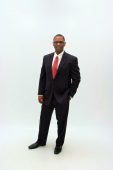
Dr. Christopher Lowery, DHSc, CLCP
Clinical Health Practitioner, Board-Certified Life Care Planner
Dr. Christopher A. Lowery, DHSc, CLCP is board-certified, specializing in international telehealth life care planning with a focus on clinical health, rehabilitation counseling, biopsychosocial issues, and global health promotion and prevention issues through the use of holistic evidence-based approaches using a Biopsychosocial Health Consultation Model and the Universal Neurodiversity Continuum (UNC) Model™. Dr. Lowery is skilled in the use of targeted plans, assessments, and developing treatments for behavioral health disorders (e.g., anxiety, depression, employment, trauma, conduct disorder, ADHD, anger, Learning differences, substance use, cognitive functioning, etc.), medical conditions (e.g., chronic pain, burns, high blood pressure, inflammation, lung diseases, and diabetes, etc.), and health behavior changes (e.g., weight management, informed health decisions, occupational health prevention, physical activity, disparities, preventive nutrition, tobacco cessation, risky sexual activity, accident prevention, etc.). Other services also provided are catastrophic and disability case management, and expert witness testimony/litigation support to individuals that suffer from associated disabilities and/or health impairments.
The Universal Neurodiversity Continuum (UNC) Model™ established by Dr. Lowery, is an evidence-informed framework that understands cognitive, emotional, and behavioral traits as existing along a continuum across all individuals. It shifts the focus from fixed diagnostic categories to how traits are expressed and how they impact daily functioning, allowing for more personalized practical, and inclusive approaches to support and well-being.
Dr. Lowery holds a board-certification in life care planning as a Certified Life Care Planner (CLCP) from the International Commission on Health Care Certification (ICHCC), which is accredited and recognized by the American National Standards Institute National Accreditation Board (ANAB). This prestigious certification attests to his qualifications and competence in the health care delivery systems. ANAB’s accreditation ensures that the certification process meets rigorous international standards, confirming his aptitude and expertise for his role as a practitioner.
24 Years Experience
In-Person in Houston, TX 77008
Online in Multiple States
Alabama, Alaska, Arizona, Arkansas, California, Colorado, Connecticut, Delaware, Florida, Georgia, Hawaii, Idaho, Illinois, Indiana, Iowa, Kansas, Kentucky, Louisiana, Maine, Maryland, Massachusetts, Michigan, Minnesota, Mississippi, Missouri, Montana, Nebraska, Nevada, New Hampshire, New Jersey, New Mexico, New York, North Carolina, North Dakota, Northern Mariana Islands, Ohio, Oklahoma, Oregon, Pennsylvania, Rhode Island, South Carolina, South Dakota, Tennessee, Texas, Utah, Vermont, Virginia, Washington, Washington, D.C., West Virginia, Wisconsin
HORIZON HOSPITAL AND RESEARCH CENTRE
Treatment Center, APA, UKCP, BPS, UKGHMR, BABCP, BACP, HCPC, GMC, ECT
1. Cognitive & Behavioural Therapies (Evidence-Based Core)
These are the most widely used and clinically validated approaches.
Cognitive Behavioural Therapy (CBT)
Trauma-Focused CBT (TF-CBT)
Acceptance and Commitment Therapy (ACT)
Dialectical Behaviour Therapy (DBT)
Rational Emotive Behaviour Therapy (REBT)
Behavioural Activation (BA)
Exposure Therapy
Prolonged Exposure Therapy (PE)
Cognitive Processing Therapy (CPT)
Schema Therapy
2. Psychodynamic & Psychoanalytic Therapies
Focus on unconscious processes and early life experiences.
Psychoanalysis (Freudian)
Psychodynamic Psychotherapy
Jungian Therapy (Analytical Psychology)
Adlerian Therapy
Object Relations Therapy
Transference-Focused Psychotherapy (TFP)
3. Humanistic & Experiential Therapies
Emphasise personal growth and self-awareness.
Person-Centred Therapy (Carl Rogers)
Gestalt Therapy
Existential Therapy
Emotion-Focused Therapy (EFT)
Humanistic Therapy
4. Trauma-Focused Therapies
Designed specifically for PTSD and trauma recovery.
Eye Movement Desensitisation and Reprocessing (EMDR)
Somatic Experiencing
Trauma-Informed Therapy
Internal Family Systems (IFS)
Narrative Exposure Therapy (NET)
5. Integrative & Holistic Therapies
Combine multiple approaches.
Integrative Psychotherapy
Holistic Therapy
Multimodal Therapy
Biopsychosocial Therapy
6. Mindfulness & Third-Wave Therapies
Modern evolution of CBT integrating awareness practices.
Mindfulness-Based Stress Reduction (MBSR)
Mindfulness-Based Cognitive Therapy (MBCT)
Compassion-Focused Therapy (CFT)
Acceptance-Based Therapy
7. Family, Couples & Systemic Therapies
Focus on relationships and group dynamics.
Family Systems Therapy
Structural Family Therapy
Strategic Family Therapy
Bowenian Family Therapy
Couples Therapy / Marriage Counselling
Systemic Therapy
8. Creative & Expressive Therapies
Use non-verbal expression.
Art Therapy
Music Therapy
Dance/Movement Therapy
Drama Therapy
Play Therapy (common for children)
9. Body-Oriented / Somatic Therapies
Address mind-body connection.
Somatic Therapy
Bioenergetic Analysis
Sensorimotor Psychotherapy
Body Psychotherapy
10. Behavioural & Skills-Based Therapies
Focused on habit change and functional improvement.
Applied Behaviour Analysis (ABA)
Social Skills Training
Anger Management Therapy
Habit Reversal Training
11. Neuro & Brain-Based Therapies
Use neuroscience or physiological feedback.
Neurofeedback Therapy
Biofeedback Therapy
Brain Stimulation Therapies (e.g., TMS)
12. Alternative & Complementary Therapies
Used alongside conventional therapy (less evidence in some cases).
Hypnotherapy
Acupuncture (mental health support)
Aromatherapy (supportive, not standalone)
Crystal Therapy (non-clinical)
13. Addiction & Recovery Therapies
Specialised for substance misuse.
12-Step Facilitation Therapy
Motivational Interviewing (MI)
Relapse Prevention Therapy
Contingency Management
14. Coaching & Support-Oriented Approaches
Not always clinical therapy but often used in practice.
Life Coaching
Wellness Coaching
Career Counselling
Solution-Focused Brief Therapy (SFBT)
21 Years Experience
In-Person in London, England EC1V 1JN
In-Person in Bristol, England BS7 8AT
Online in United Kingdom, Multiple States
Alabama, Alaska, Arizona, Arkansas, California, Colorado, Connecticut, Delaware, Florida, Georgia, Hawaii, Idaho, Illinois, Indiana, Iowa, Kansas, Kentucky, Louisiana, Maine, Maryland, Massachusetts, Michigan, Minnesota, Mississippi, Missouri, Montana, Nebraska, Nevada, New Hampshire, New Jersey, New Mexico, New York, North Carolina, North Dakota, Northern Mariana Islands, Ohio, Oklahoma, Oregon, Pennsylvania, Rhode Island, South Carolina, South Dakota, Tennessee, Texas, Utah, Vermont, Virginia, Washington, Washington, D.C., West Virginia, Wisconsin, Wyoming
,
Multiple Canadian Provinces
Alberta, British Columbia, Manitoba, New Brunswick, Newfoundland And Labrador, Northwest Territories, Nova Scotia, Nunavut, Ontario, Prince Edward Island, Quebec, Saskatchewan, Yukon