Dissociative Disorders therapists in Courtenay, BC
Browse Dissociative Disorders therapists in Courtenay, British Columbia, Canada. Compare credentials, specialties and therapeutic approach. Contact a therapist to learn more.

Dissociation
Aaron Kapin
Somatic Experiencing Practitioner, SEP, LMT
There are different kinds of dissociative disorders. If you have DID (Dissociative Identity Disorder), then unfortunately I lack training in that area.
However, if you chronically are feeling dissociated, disconnected from your body and/or the present moment, and want to be able to be more in the here and now, I absolutely have training around that. Somatic Experiencing can be very effective at slowly and gently supporting your nervous system to move out of freeze (dissociation) and into a more vital, grounded headspace.
11 Years Experience
Online in Courtenay, BC (Online Only)

Dissociation
Kendra Anselmo Counselling
Registered Social Worker, MSW, RSW
Dissociation is often a protective response developed when experiences feel overwhelming or unsafe. Using an IFS and somatic approach, we’ll gently explore the parts of you that hold pain, fear, or protective responses while building greater connection, grounding, and safety within yourself. Therapy can support you in feeling more present, integrated, and connected to who you are.
7 Years Experience
Online in Courtenay, BC

Dissociation
Our Landing Place
Therapist, RCC, CCC, RSW, RP, RCT
Our clinicians work thoughtfully with dissociation and trauma responses, prioritizing safety, stabilization, and collaboration while respecting how your system has learned to survive.
16 Years Experience
Online in Courtenay, BC (Online Only)
Dissociation
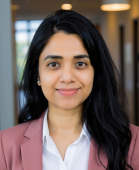
Sanofer Ansari
Licensed Mental Health Counsellor, MACP
Approach: Trauma-informed, grounding, and somatic approaches.
I prioritize emotional and physical safety before processing difficult experiences. Therapy may focus on grounding, present-moment awareness, understanding protective responses, and increasing internal awareness. More complex dissociative presentations may require specialized trauma treatment.
7 Years Experience
Online in Courtenay, BC
Dissociation
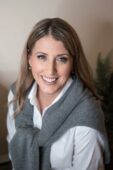
Kimberly Davidson | Katalyst Integrated Trauma Treatment
Counsellor/Therapist, RCS, MTC, RTC, SEP, CCTP, CCISM, CFRC, CATP, NARM
Most dissociative disorders come from an environmental failure or trauma (traumas). Understanding how they are created and what they serve, goes a long way to helping heal this and creating a new reality.
20 Years Experience
Online in Courtenay, BC (Online Only)
Dissociative Disorders therapists in Courtenay, BC Statistics
Dissociative Disorders therapists in Courtenay, BC average 12 years of experience and charge around $158 per session. 100% offer online sessions. The top treatment approaches are Emotionally Focused Therapy (EFT) (69%), Person-Centered Therapy (Rogerian) (66%), and Cognitive Behavioral Therapy (CBT) (62%).
Average years in practice
12 Years Experience
Average cost per session
$158
Accept insurance
72%
Offer sliding scale
55%
Gender ID
| 65% |
Female |
|
| 29% |
Male |
|
| 3% |
Gender Fluid |
|
| 3% |
Non-Binary |
|
Session Type
| 59% |
In Person and Online |
|
| 41% |
Online Only |
|
Top Treatment Approaches
| 69% | Emotionally Focused Therapy (EFT) |
| 66% | Person-Centered Therapy (Rogerian) |
| 62% | Cognitive Behavioral Therapy (CBT) |
| 62% | Internal Family Systems (IFS) |
| 62% | Narrative Therapy |
| 62% | Somatic Therapy |
| 59% | Dialectical Behavior Therapy (DBT) |
Ages Served
| 100% | Adult |
| 72% | Young Adult |
| 69% | Teen |
| 66% | Senior |
| 28% | Children |
Client Focus
| 69% | Women |
| 66% | Men |
| 55% | Persons with Disabilities |
| 52% | LGBTQ+ |
| 45% | Asian |