Eating Disorders therapists in Kelowna, BC
Browse Eating Disorders therapists in Kelowna, British Columbia, Canada. Compare credentials, specialties and therapeutic approach. Contact a therapist to learn more.
View nearby cities

Eating Disorders
Psykhe Psychotherapy
Registered Psychotherapist, RP, MACP
Each therapist has their own specialties, and we focus on connecting you with the clinician whose experience best fits your needs. Therapy may involve developing coping strategies, processing past experiences and childhood patterns, and cultivating greater self-compassion and emotional well-being.
8 Years Experience
Online in Kelowna, BC (Online Only)
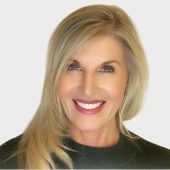
Eating Disorders
Shauna Switzer, MCP, MA RP
Registered Psychotherapist, MA, MCP, Registered Psychotherapist
Eating disorders can affect physical health, emotional well-being, self-esteem, and relationships with food and body image. Therapy offers compassionate, non-judgmental support to help individuals understand underlying struggles, develop healthier coping strategies, and move toward healing and recovery.
26 Years Experience
Online in Kelowna, BC
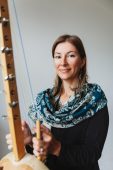
Eating Disorders
Masha Andreeva
Registered Psychotherapist, HonBA, DTATI, RP
Art therapy offers a compassionate and nonjudgmental space to explore the complex emotions and underlying patterns connected to eating disorders. Through creative expression, you can externalize inner conflicts, process feelings around body image, and develop a deeper connection to yourself. Art-making provides a way to express what words cannot, fostering self-awareness, emotional regulation, and self-compassion. My approach integrates mindfulness, body-based practices, and trauma-informed care to support you in reclaiming a sense of balance, agency, and a more nourishing relationship with yourself.
20 Years Experience
Online in Kelowna, BC (Online Only)
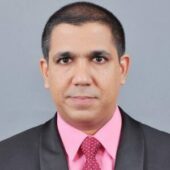
Eating Disorders
Prof. Sir Romesh Jayasinghe, OLS
Psychologist, Ph.D.(Applied Psychology), Dh.C.(Florida), FRSPH(UK), FACCPH(UK), FTBCCT(UK), Adv.Dip.(Psychiatry), Adv.Dip.(Clinical Psychology), Adv.Dip.(Neuroscience), Adv.Dip.CBT(UK), Dip.(Couples Therapy), Dip.(Hypnotherapy), Dip.(Relationship Psychology), Dip.(Nutrition Science), Cert.(Integrative Mental Health)
I treat eating disorders using CBT and hypnotherapy.
20 Years Experience
Online in Kelowna, BC
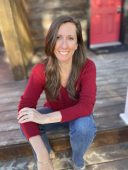
Eating Disorders
Shelley Murphy, Food & Body Image Hypnotherapist
Hypnotherapist, BASc, Former RD
Shelley brings a rare combination of expertise as a former registered dietitian turned hypnotherapist. Hypnotherapy can be supportive for many people with past or present disordered eating patterns. My trauma-informed, non-diet approach helps reduce shame, increase safety, and rebuild trust with your body. In some cases, collaboration with other providers may be recommended.
3 Years Experience
Online in Kelowna, BC (Online Only)
Eating Disorders therapists in Kelowna, BC Statistics
Eating Disorders therapists in Kelowna, BC average 12 years of experience and charge around $155 per session. 100% offer online sessions. The top treatment approaches are Cognitive Behavioral Therapy (CBT) (73%), Person-Centered Therapy (Rogerian) (63%), and Emotionally Focused Therapy (EFT) (60%).
Average years in practice
12 Years Experience
Average cost per session
$155
Accept insurance
70%
Offer sliding scale
55%
Gender ID
| 76% |
Female |
|
| 20% |
Male |
|
| 2% |
Gender Fluid |
|
| 2% |
Non-Binary |
|
Session Type
| 62% |
In Person and Online |
|
| 38% |
Online Only |
|
Top Treatment Approaches
| 73% | Cognitive Behavioral Therapy (CBT) |
| 63% | Person-Centered Therapy (Rogerian) |
| 60% | Emotionally Focused Therapy (EFT) |
| 60% | Internal Family Systems (IFS) |
| 58% | Dialectical Behavior Therapy (DBT) |
| 58% | Narrative Therapy |
| 53% | Somatic Therapy |
Ages Served
| 100% | Adult |
| 83% | Young Adult |
| 75% | Teen |
| 68% | Senior |
| 40% | Children |
Client Focus
| 80% | Women |
| 60% | Men |
| 58% | LGBTQ+ |
| 43% | Persons with Disabilities |
| 35% | Asian |