Perfectionism therapists in Vacaville, CA
Browse Perfectionism therapists in Vacaville, California. Compare credentials, specialties and therapeutic approach. Contact a therapist to learn more.
Perfectionism
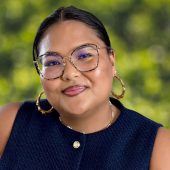
Abigail (Abi) Zarate Ramsay
Pre-Licensed Professional, Marriage and Family Therapist Trainee, Professional Clinical Counselor Trainee
I help clients struggling with perfectionism, self-criticism, and burnout learn to set kinder expectations, tolerate mistakes, and build a more flexible, values-based sense of success.
0 Years Experience
Online in Vacaville, CA (Online Only)

Perfectionism
Nes Pinar Psychotherapy
Marriage and Family Therapist, LMFT
Many people don’t realize that perfectionism isn’t about doing things perfectly—it’s about feeling like anything less than what they had in their minds is unacceptable. This mindset often creates constant self‑criticism, pressure, and a sense that nothing is ever “good enough,” even when you’re working incredibly hard. I help clients notice these patterns with compassion and begin shifting toward a more grounded, accepting way of relating to themselves.
15 Years Experience
In-Person Near Vacaville, CA
Online in Vacaville, CA

Perfectionism
Shohreh ("Sho-ray") Schmuecker
Marriage and Family Therapist, MA, LMFT
The parts of you that strive for perfection may have learned that having this drive can come with real advantages. The parts of you that try to be perfect may encourage you to do your very best and support you in striving for excellence. However, the relentless push for perfectionism can give you very little space for the mistakes and limitations that come with being human. Over time, the self-criticism and internal pressure tied to inflexible expectations can feel exhausting.
In our sessions together, we can work together to understand the parts of you that are working so very hard. We can explore how they came to be, how they have been helpful and if they are still serving you in the same ways they once were. Supporting you to understand what you would like moving forward and helping you find a more balance way.
12 Years Experience
In-Person Near Vacaville, CA
Online in Vacaville, CA

Perfectionism
Rose Snyder, EdM, PsyD, LLC
Psychologist, PsyD
I think of myself as a “recovering perfectionist” and would be glad to support you in your own journey toward greater self-acceptance. I find that empathy and validation are important starting points, alongside developing self-compassion and a kinder relationship with yourself. Depending on your needs, we might explore patterns in your inner dialogue, develop practical coping skills, or practice mindfulness and self-compassion more intentionally. My hope is to help you embrace yourself as a perfectly imperfect human, with room to grow without needing to get everything right.
23 Years Experience
Online in Vacaville, CA
Perfectionism
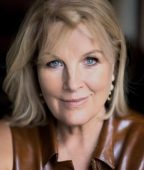
Julie Cochrane - Clinical Hypnotherapist, Rapid Transformational Therapy (RTT) Therapist, CCP
Hypnotherapist, Clinical Hypnotherapist, RTT-T, Rewind Therapy Practitioner, Integration Coaching
Perfectionism is not really about high standards. It is about safety. Somewhere along the way, the subconscious decided that being good enough, being beyond criticism or being in complete control was the way to be safe and accepted. That decision then becomes a daily tax: overworking, second-guessing, never quite arriving. RTT goes back to the moment that decision was made and updates the meaning underneath it. The standards can stay. What changes is the price you pay to meet them. Most of my perfectionist clients are women in leadership, founders or creatives. The work is online via Zoom and confidential.
6 Years Experience
Online in Vacaville, CA (Online Only)
Perfectionism therapists in Vacaville, CA Statistics
Perfectionism therapists in Vacaville, CA average 14 years of experience and charge around $213 per session. 100% offer online sessions. The top treatment approaches are Cognitive Behavioral Therapy (CBT) (74%), Eye Movement Desensitization and Reprocessing (EMDR) (44%), and Somatic Therapy (42%).
Average years in practice
14 Years Experience
Average cost per session
$213
Accept insurance
42%
Offer sliding scale
36%
Gender ID
| 69% |
Female |
|
| 23% |
Male |
|
| 4% |
Gender Fluid |
|
| 4% |
Non-Binary |
|
Session Type
| 56% |
In Person and Online |
|
| 44% |
Online Only |
|
Top Treatment Approaches
| 74% | Cognitive Behavioral Therapy (CBT) |
| 44% | Eye Movement Desensitization and Reprocessing (EMDR) |
| 42% | Somatic Therapy |
| 40% | Psychodynamic Therapy |
| 36% | Emotionally Focused Therapy (EFT) |
| 34% | Acceptance & Commitment Therapy (ACT) |
| 32% | Dialectical Behavior Therapy (DBT) |
Ages Served
| 100% | Adult |
| 70% | Young Adult |
| 62% | Senior |
| 40% | Teen |
| 24% | Children |
Client Focus
| 68% | Women |
| 50% | LGBTQ+ |
| 36% | Asian |
| 36% | Men |
| 32% | Christian |