Eating Disorders therapists in Blackpool, England
Browse Eating Disorders therapists in Blackpool, England, United Kingdom. Compare credentials, specialties and therapeutic approach. Contact a therapist to learn more.

Eating Disorders
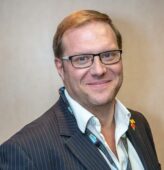
Adima Hawkes
Counsellor/Therapist, Psychotherapist, Spiritual Teacher, Gene Keys Guide, Trainer Tibetan Acupressure & Iridology
I happen to be very experienced with treating eating disorders of all sorts. Having been surrounded by them during my years as a professional dancer and in the modelling world, enables me to understand the patterns deeply. Often the body needs various kinds of support. Depending on the body facts and life situation, I may insist that a client needs to see a medical professional regularly in order to work together with me. I guide you to face the underlying shadows and subconscious reasons for the disorder, gently but firmly develop understanding and love for yourself and the very shadows and inner monsters will become the source of healing.
30 Years Experience
Online in Blackpool, England
Eating Disorders
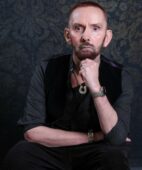
James Hitchen - I Am James Therapy & Coaching
Therapist, Psychotherapeutic counselling (level 5), MBACP, AdV member Addiction Professionals, MNCPS accred. National Centre For Eating Disorders
I am an eating disorder specialist. I trained with the National Center for Eating Disorders and work with clients to improve their relationship with food and exercise and body image. I use both my personal and professional experience to help clients find recovery and thrive in life. I use both counselling and coaching skills to support clients on their journey.
9 Years Experience
Online in Blackpool, England
Eating Disorders
Benjamin Marr
Counsellor/Therapist, BA MA Relational Psychotherapist/ Birkbeck College - Psychodynamic Counsellor
The generalised term “eating disorder” can cover many forms of unusual, or atypical eating habits and also includes disordered, or distorted body image (body dysmorphia) and even, possibly, addiction to exercise. Eating disorders can effect both men and women and it has been estimated to affect anything up to 5% of all people at some point in their lives, with a relatively greater propensity amongst older adolescent boys and younger men. Other eating disorders may also include behaviours such as the compulsion to exercise excessively, or a negative, or distorted body image, as well as obsessive thoughts, habits and behaviours surrounding various aspects of food.
Relational psychotherapy can generate the opportunity with eating disorders to examine and explore any possibly deep-rooted emotional explanations that may have contributed to issues around food, exercise and body image. With eating disorders, relational psychotherapy creates the opportunity to possibly identify any such sensitive areas and instigate a process to overcome troubling, obsessive or destructive behaviours in a supportively safe space. My private practice has successfully provided a guided and structured approach – comprising both cognitive interventions and practical strategies – to support clients as they initialise a process to create a healthier relationship for themselves with both food and their bodies.
35 Years Experience
Online in Blackpool, England

Eating Disorders
Gordon Wax BA HONS MBACP
Counsellor/Therapist, Psychoanalytic Psychotherapist
I help people understand food from the oral and anal stage of sychological development. We learn about behaviour around eating and ways to respect and enjoy food in healthier way. Often it's not food that's a problem but a side effect.
13 Years Experience
Online in Blackpool, England

Eating Disorders
Kamini Wood
Life Coach, FHH, CLC, CPM
An eating disorder is rarely just about food. It is often a response to emotional pain, perfectionism, anxiety, trauma, or a need to regain a sense of control. Together, we'll explore the patterns beneath the behaviors with curiosity rather than judgment, helping you better understand your emotions, strengthen coping skills, and rebuild trust in yourself. My goal is to help you move toward a healthier relationship with food, your body, and your sense of self while supporting lasting emotional healing. When appropriate, I work collaboratively with physicians, therapists, and registered dietitians to ensure you receive comprehensive care.
8 Years Experience
Online in Blackpool, England (Online Only)
Eating Disorders therapists in Blackpool, England Statistics
Eating Disorders therapists in Blackpool, England average 16 years of experience and charge around ¤145 per session. 100% offer online sessions. The top treatment approaches are Integrative Therapy (52%), Cognitive Behavioral Therapy (CBT) (48%), and Person-Centered Therapy (Rogerian) (48%).
Average years in practice
16 Years Experience
Average cost per session
¤145
Accept insurance
40%
Offer sliding scale
56%
Gender ID
| 65% |
Female |
|
| 31% |
Male |
|
| 4% |
Non-Binary |
|
Session Type
| 60% |
In Person and Online |
|
| 40% |
Online Only |
|
Top Treatment Approaches
| 52% | Integrative Therapy |
| 48% | Cognitive Behavioral Therapy (CBT) |
| 48% | Person-Centered Therapy (Rogerian) |
| 44% | Emotionally Focused Therapy (EFT) |
| 40% | Psychodynamic Therapy |
| 40% | Somatic Therapy |
| 36% | Behavioral Therapy |
Ages Served
| 100% | Adult |
| 80% | Young Adult |
| 72% | Teen |
| 64% | Senior |
| 32% | Children |
Client Focus
| 72% | Women |
| 60% | LGBTQ+ |
| 44% | Black / African American |
| 44% | Men |
| 44% | Persons with Disabilities |