Sexual Abuse therapists in Middlesbrough, England
Browse Sexual Abuse therapists in Middlesbrough, England, United Kingdom. Compare credentials, specialties and therapeutic approach. Contact a therapist to learn more.
Rubina Gogna
Registered Psychotherapist, B.A., M.A., Registered Psychotherapist
Past trauma can present itself in dreams, flashbacks, zoning out in the day, daydreaming, somatic or body concerns/pains, stomach aches, body aches, and many more. Trauma can be triggered if you have experienced, neglect in any form, bullying, sexual abuse, emotional abuse, witnessed abuse, witnessed domestic violence, and many more. Please reach out and I can help you in understanding and coping with your trauma. Trauma does not define you let's get you some support. I am here.
11 Years Experience
In-Person Near Middlesbrough, ENG
Online in Middlesbrough, England
Kylie Feller
Licensed Professional Counsellor, MA, CCC
What happened to you was not your fault—and healing is possible.
Surviving sexual abuse can leave lasting imprints—shame, fear, disconnection from your body, and a deep sense of mistrust. These experiences often create protective parts that help you survive but may now be keeping you from fully living. In our work together, we move at your pace, always honoring your system’s wisdom. Using Internal Family Systems (IFS) and gentle somatic practices like TRE, I help you build safety from the inside out, reconnect with your body, and begin to unburden the parts of you that are still carrying the pain. You don’t have to face this alone. You are worthy of safety, healing, and wholeness.
10 Years Experience
Online in Middlesbrough, England (Online Only)

Lisa Sanfilippo
Therapist, MA, MSc, UKCP, MBACP
We can restore healthy relationships and intimacy- even if we have experienced abuse in the past. Feeling fearful, confused, ashamed, overly-sexualised or afraid of intimacy are important ways our nervous system may be dealing with something really difficult to process. And these protective patterns can shift. Sexual abuse or assault are, sadly, far more common than you'd think. Working with sexual abuse means working gently and delicately at your pace, often not even needing to re-hash the content of past events, but understanding how the after-effects have created your protective responses. We start with restoring a feeling of safety and integrity so that you can move at your own pace. I take a gentle, measured approach, helping you to heal somatically, mentally, emotionally and even spiritually. My approach is informed by somatic experiencing and Polyvagal approaches, which work with our bodies and nervous systems.
14 Years Experience
Online in Middlesbrough, England
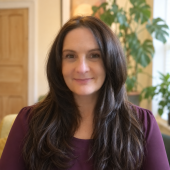
Kaya Marklund - New Morning Therapy
Hypnotherapist, Holistic Therapist, Hypnotherapist, Emotional Processing
I can help you to deal with, and release, trauma and held emotions surrounding sexual abuse.
11 Years Experience
Online in Middlesbrough, England

Liz Frings
Counsellor/Therapist, PG Diploma Person-Centred Psychotherapy. EMDR Accredited
Creating a Safe SpaceThe foundation of healing from sexual abuse is safety—and therapy provides a confidential, judgment-free space where you have complete control. You decide what to share, when to share it, and how fast to move. A trauma-informed therapist understands that building trust takes time and will never pressure you to discuss anything before you're ready.Processing the TraumaSexual abuse often gets "stuck" in your nervous system, which is why memories can feel so vivid and overwhelming. Trauma-focused therapies help your brain properly process these experiences so they become integrated memories rather than present threats.EMDR (Eye Movement Desensitization and Reprocessing) is particularly effective for sexual abuse. It helps reprocess traumatic memories without requiring you to describe every detail out loud. Through bilateral stimulation (eye movements or tapping), EMDR helps reduce the emotional intensity of memories and transform beliefs like "I'm dirty" or "It was my fault" into more accurate, compassionate truths like "I survived" or "I deserve safety and respect."Trauma-Focused CBT helps you work through trauma memories while also addressing unhelpful thought patterns and avoidance behaviors that keep you stuck.Releasing Shame and Self-BlameOne of the most insidious effects of sexual abuse is shame—the feeling that you're somehow damaged, dirty, or responsible for what happened. Therapy helps you understand that shame belongs to the perpetrator, not to you. Your therapist will gently but consistently help you recognize that:
The abuse was not your fault, regardless of the circumstances
Your body's responses (freezing, not fighting back, physical sensations) were survival mechanisms, not consent
You deserve compassion, not judgment
You're not defined by what was done to you
Reconnecting with Your BodySexual abuse often causes disconnection from your body—feeling numb, dissociated, or like your body betrayed you. Somatic therapies help you gradually reconnect with physical sensations in a safe, gentle way. You learn that your body isn't the enemy; it protected you the best way it could and can be a source of wisdom and strength.Rebuilding TrustAfter abuse, trusting others—or yourself—can feel impossible. The therapeutic relationship itself becomes a space to practice trust. Your therapist demonstrates consistency, respect for boundaries, and genuine care without exploitation. Over time, this experience can help you believe that safe, trustworthy relationships are possible.Working Through Relationship and Intimacy IssuesSexual abuse often complicates romantic and sexual relationships. Therapy provides space to explore these difficulties, whether that's fear of intimacy, difficulty with physical touch, complicated feelings about sex, or patterns of choosing unhealthy partners. You can work on communicating your needs, setting boundaries, and gradually reclaiming your sexuality on your own terms.Processing Complex FeelingsIf the abuse was committed by someone you knew, loved, or depended on—which is often the case—your feelings might be complicated. You might experience grief, anger, confusion, or even lingering attachment alongside the trauma. Therapy honors this complexity without judgment and helps you make sense of seemingly contradictory emotions.Addressing DissociationMany survivors of sexual abuse experience dissociation—feeling disconnected from yourself, your surroundings, or reality. This was likely a protective response during the abuse. Therapy teaches grounding techniques to help you stay present and gradually reduces the need for dissociation as you process the trauma.Healing Developmental WoundsIf the abuse occurred during childhood or adolescence, it may have disrupted your normal development—impacting your sense of identity, sexuality, boundaries, and relationships. Therapy helps address these developmental wounds and supports you in reclaiming aspects of growth that were stolen from you.Breaking Silence and IsolationSexual abuse thrives in secrecy. Simply speaking your truth to someone who believes you and responds with compassion can be profoundly healing. Therapy breaks the isolation that abuse creates and reminds you that you're not alone—many survivors have walked this path before you and found their way to healing.Reclaiming Your PowerAbuse strips away your sense of control and agency. Therapy helps you reclaim your power—making choices about your healing process, setting boundaries, discovering your voice, and recognizing your strength. You learn that you're not a victim defined by what happened; you're a survivor with agency over your future. Building a Life Beyond SurvivalEarly therapy often focuses on stabilization and processing trauma. As you heal, therapy shifts toward building the life you want—developing healthy relationships, pursuing goals, experiencing joy, and discovering who you are beyond the abuse. Recovery isn't just about reducing symptoms; it's about thriving.
15 Years Experience
Online in Middlesbrough, England

Middlesbrough is a Teesside city with a proud but challenging post-industrial history in steel and chemical manufacturing, and its mental health landscape is shaped by persistent economic deprivation, high unemployment in some communities, and the compounding health inequalities that make it one of England's most disadvantaged major towns. NHS mental health services are provided through Tees, Esk and Wear Valleys NHS Foundation Trust, and demand for both community and acute mental health care consistently exceeds available resources. Teesside University contributes to the local mental health workforce through its psychology and counselling programmes and provides a student counselling service for enrolled students. Common therapy concerns include depression, anxiety, trauma, substance use, and the long-term psychological impact of economic hardship and community disinvestment on residents across all age groups.
Sexual Abuse therapists in Middlesbrough, England Statistics
Sexual Abuse therapists in Middlesbrough, England average 16 years of experience and charge around ¤113 per session. 100% offer online sessions. The top treatment approaches are Person-Centered Therapy (Rogerian) (60%), Integrative Therapy (57%), and Cognitive Behavioral Therapy (CBT) (50%).
Average years in practice
16 Years Experience
Average cost per session
¤113
Accept insurance
50%
Offer sliding scale
48%
Gender ID
| 65% |
Female |
|
| 33% |
Male |
|
| 2% |
Non-Binary |
|
Session Type
| 71% |
In Person and Online |
|
| 29% |
Online Only |
|
Top Treatment Approaches
| 60% | Person-Centered Therapy (Rogerian) |
| 57% | Integrative Therapy |
| 50% | Cognitive Behavioral Therapy (CBT) |
| 43% | Existential / Humanistic Therapy |
| 40% | Psychodynamic Therapy |
| 33% | Internal Family Systems (IFS) |
| 33% | Solution-Focused Brief Therapy (SFBT) |
Ages Served
| 98% | Adult |
| 69% | Young Adult |
| 55% | Senior |
| 55% | Teen |
| 24% | Children |
Client Focus
| 76% | Women |
| 64% | Men |
| 62% | LGBTQ+ |
| 48% | Christian |
| 48% | Persons with Disabilities |